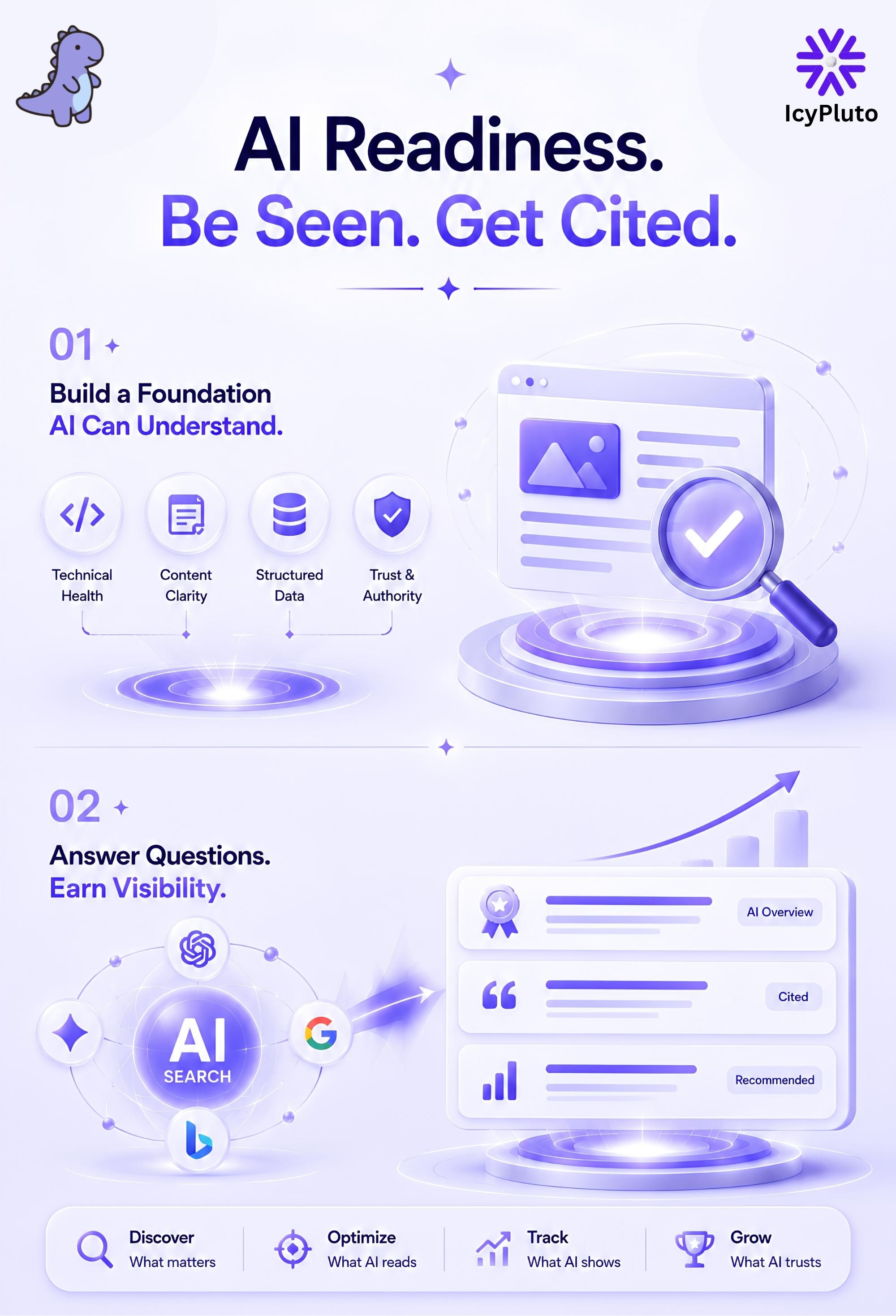
AI readiness is no longer just a technical concept...
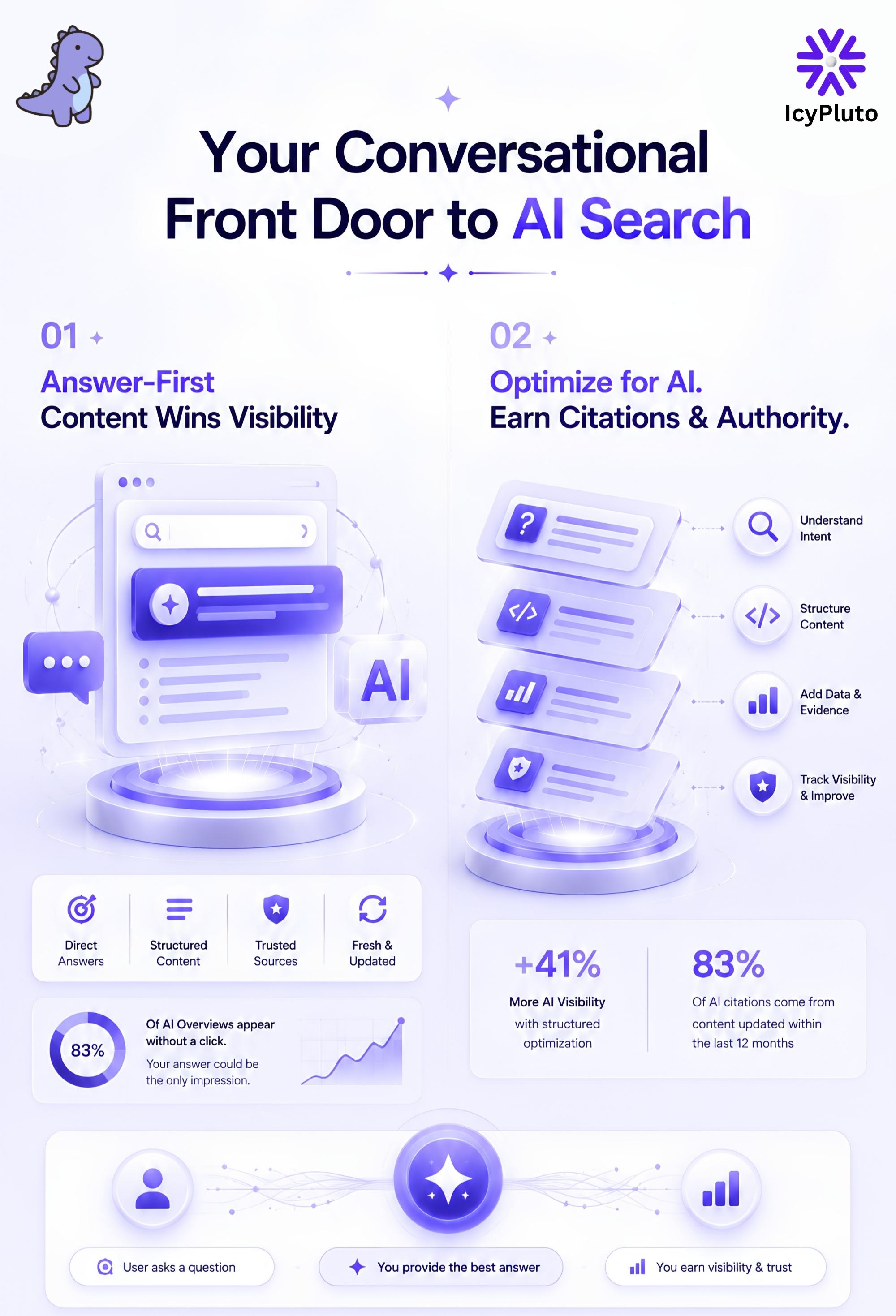
The way people search is changing fast, and conten...
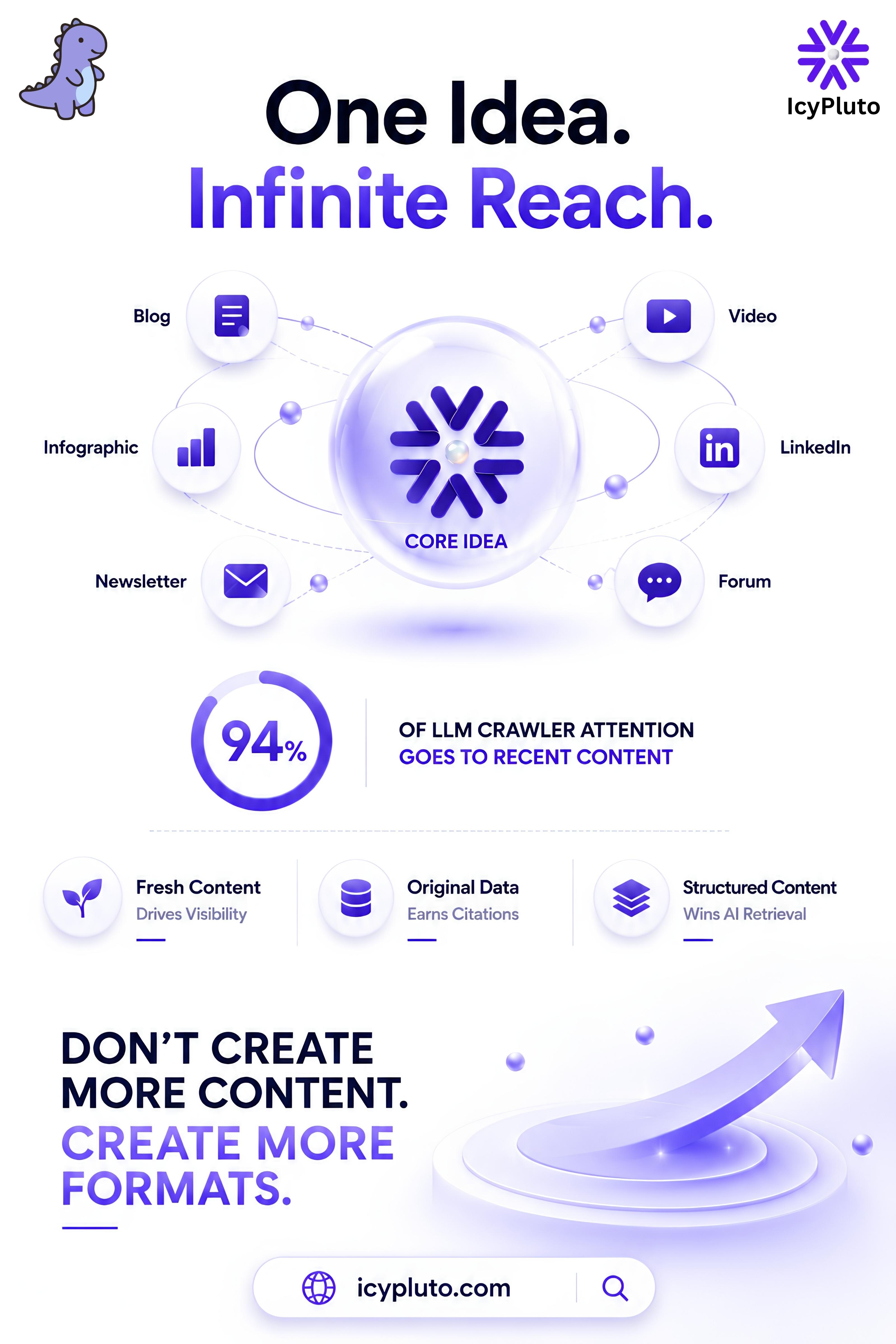
This blog reveals how to maximize visibility in tr...
In the rush to embrace artificial intelligence for content creation, many brands and publishers have discovered something exciting. AI tools can help produce articles faster, cut costs, and dramatically increase output. For a while, it feels like a genuine breakthrough — traffic climbs, visibility improves, and everything seems to be heading in the right direction.
But then something shifts. Rankings drop. Traffic collapses. What once looked like a smart, modern strategy quietly turns into a painful lesson. This pattern has become far too common, and it’s worth taking a close look at why it keeps happening.
At Icypluto, we’ve been closely watching how AI is changing content strategy. While we see enormous potential in these tools, we also recognize the risks of using them the wrong way. Today, I want to share a deeper exploration of this reality so you can make more informed decisions for your own content efforts.
It’s easy to understand the appeal. Modern AI content tools promise to automate large parts of the writing process. They can generate full drafts, assist with research, optimize for search, and even target emerging AI search engines. For teams under pressure to produce more with less, these capabilities sound almost too good to pass up.
Many companies have jumped in with both feet. They’ve scaled content production significantly, sometimes publishing hundreds or thousands of new pages in a relatively short time. Early results often look impressive. Organic traffic rises, new pages start ranking, and there’s a visible boost in both traditional search and AI-powered answers.
For a period of months, it genuinely feels like the future has arrived. Teams celebrate the wins, case studies get published, and the approach spreads even wider across industries.
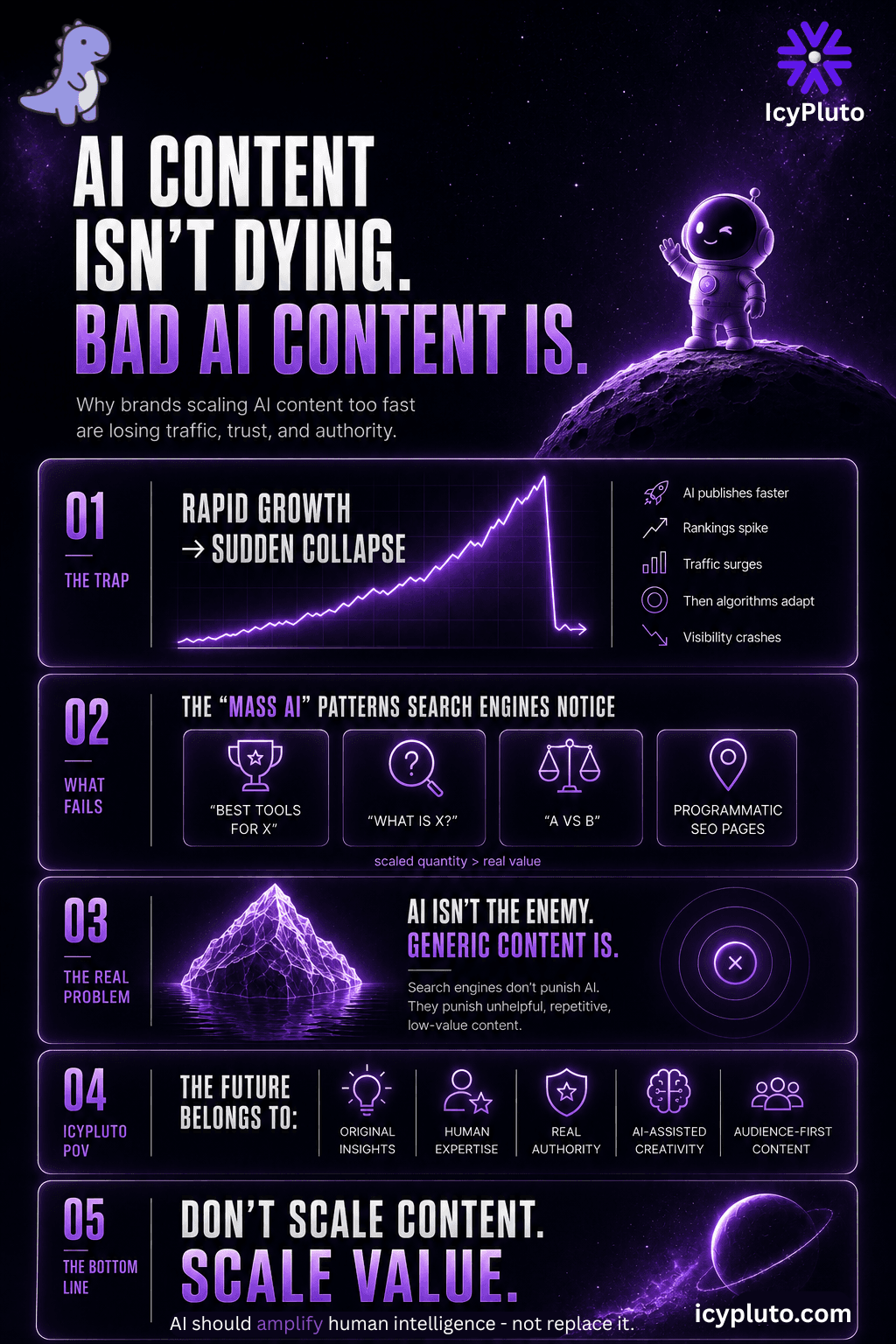
Unfortunately, the story doesn’t usually end with sustained success. Across many websites that leaned heavily into large-scale AI-assisted content, a familiar trajectory emerges: rapid growth followed by a sharp and painful decline.
Data from tracking tools shows that a majority of these sites experience significant drops from their peak traffic levels. Some lose 30% or more. Others see losses of 50%, 75%, or even higher. In many cases, the final traffic numbers fall below where they started before the AI scaling began.
What makes this especially concerning is how predictable the pattern has become. There’s typically a surge in new pages over six to twelve months. Traffic peaks a few months after the content flood. Then comes the decline — sometimes gradual, often steep — that wipes out most of the gains and leaves the site in a weaker position than before.
This isn’t a one-off event limited to low-quality spam sites. The pattern appears across respectable brands in sectors like marketing, SaaS, healthcare, travel, cybersecurity, and consumer goods. It’s happening even to companies that believed they were being careful.
Those who have worked in digital content and SEO for years recognize this cycle. We’ve seen similar boom-and-bust stories before, though never quite at this speed or scale. Google and other platforms have long been wary of content produced primarily to manipulate rankings rather than serve real readers.
In recent years, major updates specifically targeted unhelpful, unoriginal content created at scale. Whether the content came from humans following rigid templates or from AI tools made little difference to the algorithms. The focus remained on quality, originality, and genuine value.
The latest wave of AI-powered scaling has accelerated the same problems. What used to take teams months or years to produce can now be generated in days or weeks. This speed floods the web with similar-sounding content, making it easier for detection systems to spot the patterns.
Looking closely at sites that experienced major drops reveals recurring content patterns. These templates aren’t inherently bad in small doses, but when scaled aggressively with AI, they create detectable footprints that can hurt visibility.
Comparison pages published at volume are one common example. Sites create dozens or hundreds of “Product A vs Product B” articles, sometimes stretching into comparisons that feel forced or unrelated to their core expertise.
Glossary and “What is X” pages represent another frequent approach. These single-topic explanation pages aim to become authoritative sources, but when produced en masse across thousands of terms, they often lack depth and real insight.
“Best of” listicles remain incredibly popular. “Best tools for Y,” “Top solutions in category Z” — these pieces can perform well initially, especially when optimized heavily, but they risk looking self-promotional or generic when AI helps churn them out rapidly.
Other risky patterns include overly optimized how-to guides, programmatic location-based content, trend roundup articles, and pages designed primarily as “citation bait” for AI answers. The issue isn’t any single article. It’s the cumulative effect when hundreds or thousands follow similar structures and tones.
When enough sites adopt these approaches, the internet becomes saturated with near-identical content. Search engines and AI systems naturally begin favoring more original, authoritative sources instead.
Behind these traffic charts are real businesses and teams. Content creators who poured effort into these initiatives watch their hard work lose visibility. Marketing leaders face difficult conversations about ROI. Companies that reduced headcount, expecting AI to handle the load, sometimes find themselves scrambling to recover.
There’s also a broader impact on trust. Readers encounter more formulaic, surface-level content, which can make them less likely to engage with digital publications in general. Even high-quality sites can suffer when users grow tired of generic experiences.
The content industry has already lived through a painful version of this story. Major updates a couple of years ago significantly reduced the visibility of unhelpful content. Many sites that relied on volume over value are still struggling to recover today.
The lesson was clear then and remains relevant now: producing content primarily for algorithms rather than people carries serious risks. AI tools didn’t create this problem, but they’ve made it much easier to fall into the same traps at unprecedented speed and scale.
The good news is that AI doesn’t have to be risky. The tools themselves aren’t the enemy. The danger comes from how they’re used — particularly when the main goal becomes pure volume with minimal human oversight.
At Icypluto, we believe AI should serve as a powerful assistant rather than a replacement for human judgment and creativity. It excels at research, organizing information, drafting outlines, and handling repetitive tasks. But the final content still needs human expertise, original insights, and genuine care for the reader.
Successful approaches tend to focus on quality and uniqueness. They use AI to enhance human-created content rather than generate it from scratch at a massive scale. They prioritize topics where the brand has real authority and can add meaningful value that competitors can’t easily copy.
Transparency also matters. Being open about AI assistance when appropriate helps build trust. More importantly, ensuring every piece offers fresh perspectives, first-party data, or unique analysis makes it far more likely to stand the test of time.
Before greenlighting another batch of AI-assisted content, it helps to pause and consider a few important questions:
Does this piece exist because real people genuinely need it, or primarily because it might rank or get cited?
Could a competitor create something nearly identical using similar prompts?
Would we be proud to show the full collection of these pages to our audience or industry peers?
Does this article offer something new and valuable beyond what’s already available in top results?
Are we maintaining high standards of accuracy, depth, and originality?
Answering honestly can help separate sustainable strategies from those that might work temporarily but create long-term problems.
The most resilient content strategies in today’s environment tend to share certain characteristics. They focus on depth over breadth. They invest in original research, storytelling, and genuine expertise. They build direct relationships with audiences through newsletters, communities, and owned channels rather than depending entirely on search discovery.
These approaches may feel slower at first. But they create genuine authority and loyalty that algorithms have a much harder time taking away.
AI can absolutely play a valuable role in these strategies - accelerating research, improving efficiency, and helping teams focus on higher-level creative work. The key is keeping humans firmly in control of quality and direction.
Large enterprises with substantial resources might be tempted to test aggressive scaling. But even they risk brand damage and recovery costs if things go wrong. For smaller publishers and independent creators, the stakes can be even higher since they have less margin for error.
Everyone benefits from being thoughtful. Whether you’re a solo blogger, a growing startup, or part of a large media company, prioritizing sustainable practices leads to better long-term outcomes.
AI is undoubtedly transforming content creation, and its capabilities will only continue improving. This technology offers incredible opportunities to create better content faster and reach audiences more effectively.
However, the brands that will thrive aren’t necessarily the ones producing the most content. They’ll be the ones producing the most valuable content - pieces that inform, inspire, and connect with readers on a human level.
The current wave of AI content experiments is teaching valuable lessons across the industry. Those willing to learn from both the successes and the setbacks will be best positioned for the future.
At Icypluto, we remain excited about AI’s potential while staying committed to quality and authenticity. We encourage our team and our community to use these tools thoughtfully, always keeping real people and genuine value at the center of every decision.
The landscape will keep evolving. New tools will emerge, algorithms will adapt, and best practices will shift. But the fundamental principle remains: content that truly serves its audience tends to endure, while content created primarily to game the system eventually reveals its limitations.
By approaching AI with both enthusiasm and caution, we can harness its power without falling into the common traps that have caught so many others. The goal isn’t to produce as much as possible. It’s to create content worth reading, sharing, and remembering.
That’s the kind of content strategy that doesn’t just work for a while - it works for the long term.