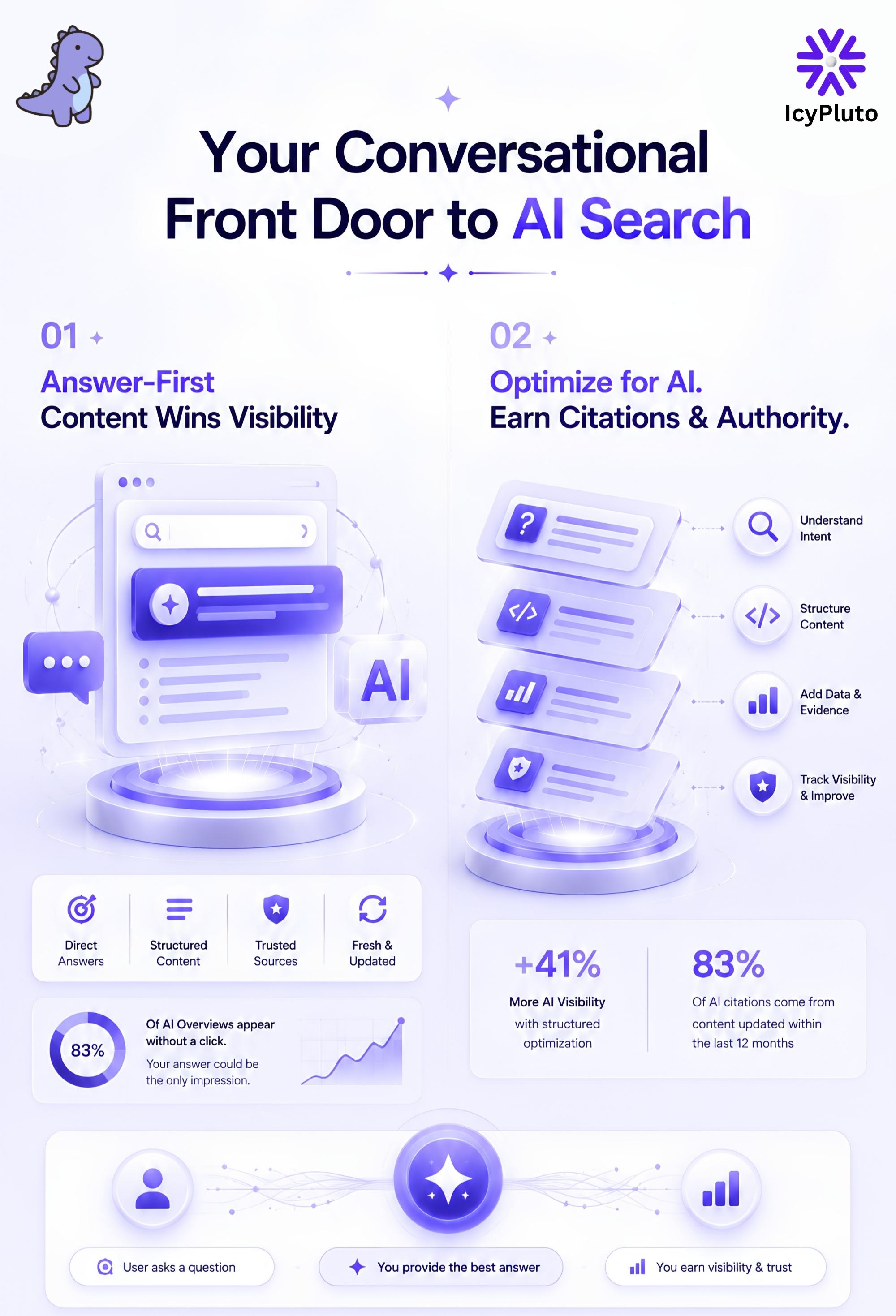
The way people search is changing fast, and conten...
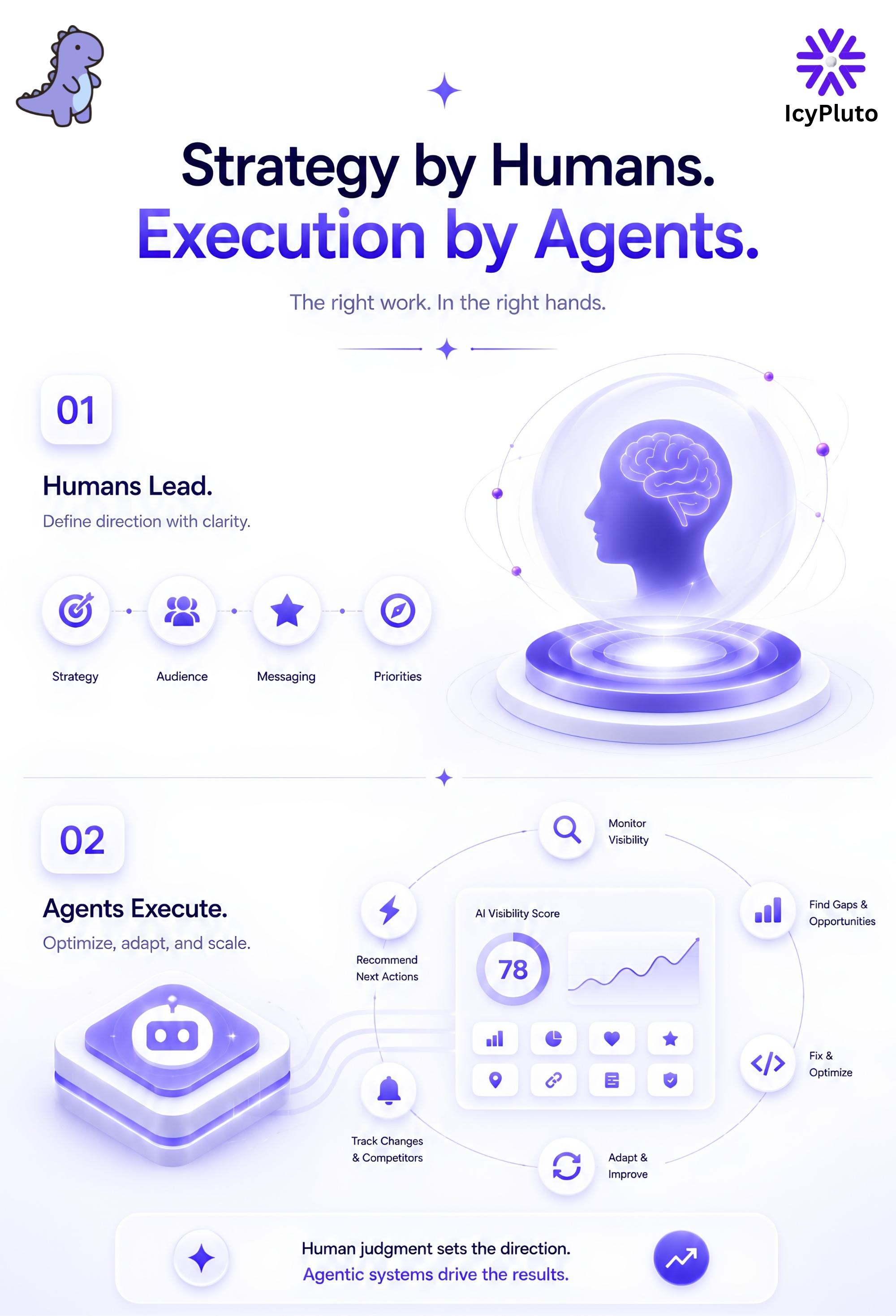
This blog explains how modern marketing teams can ...
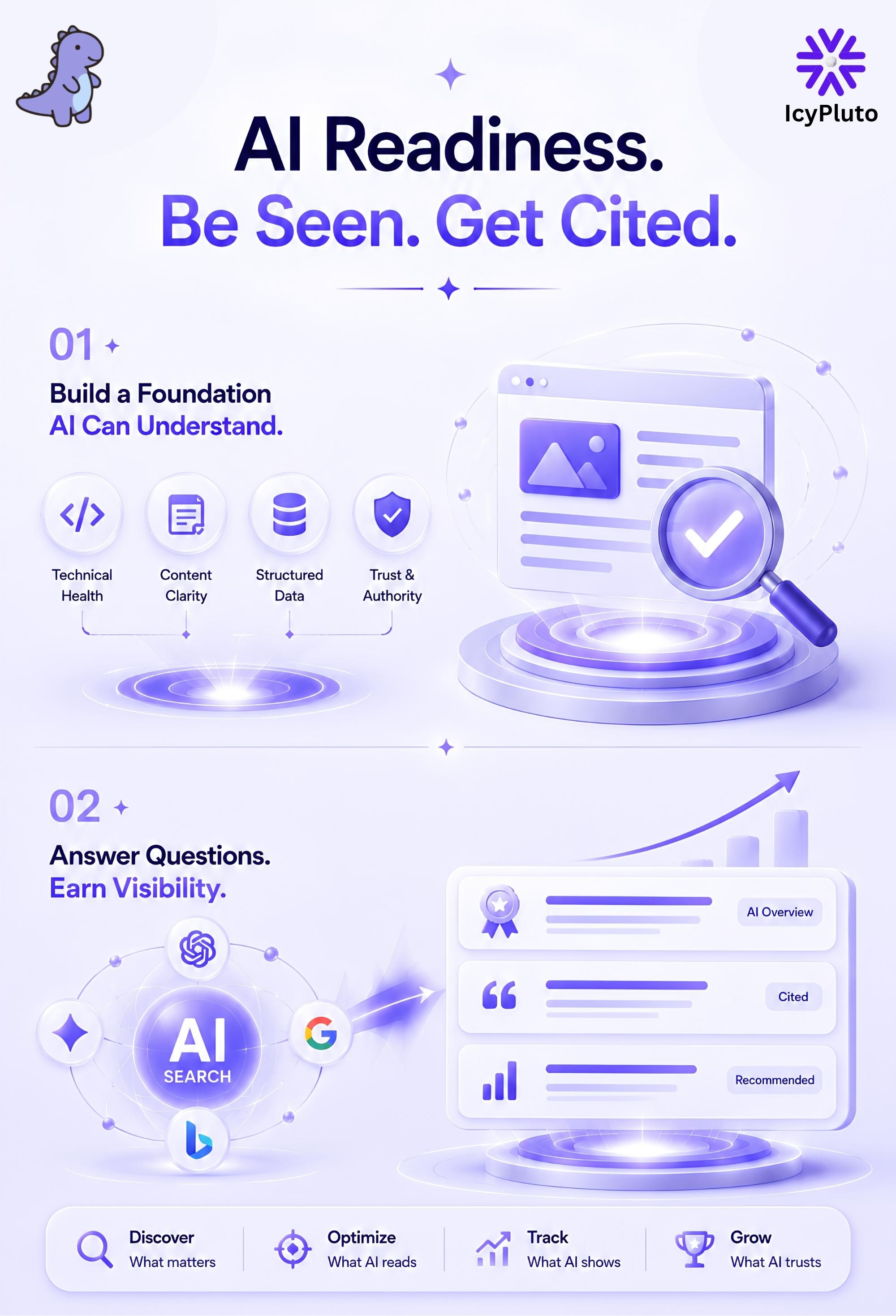
AI readiness is no longer just a technical concept...
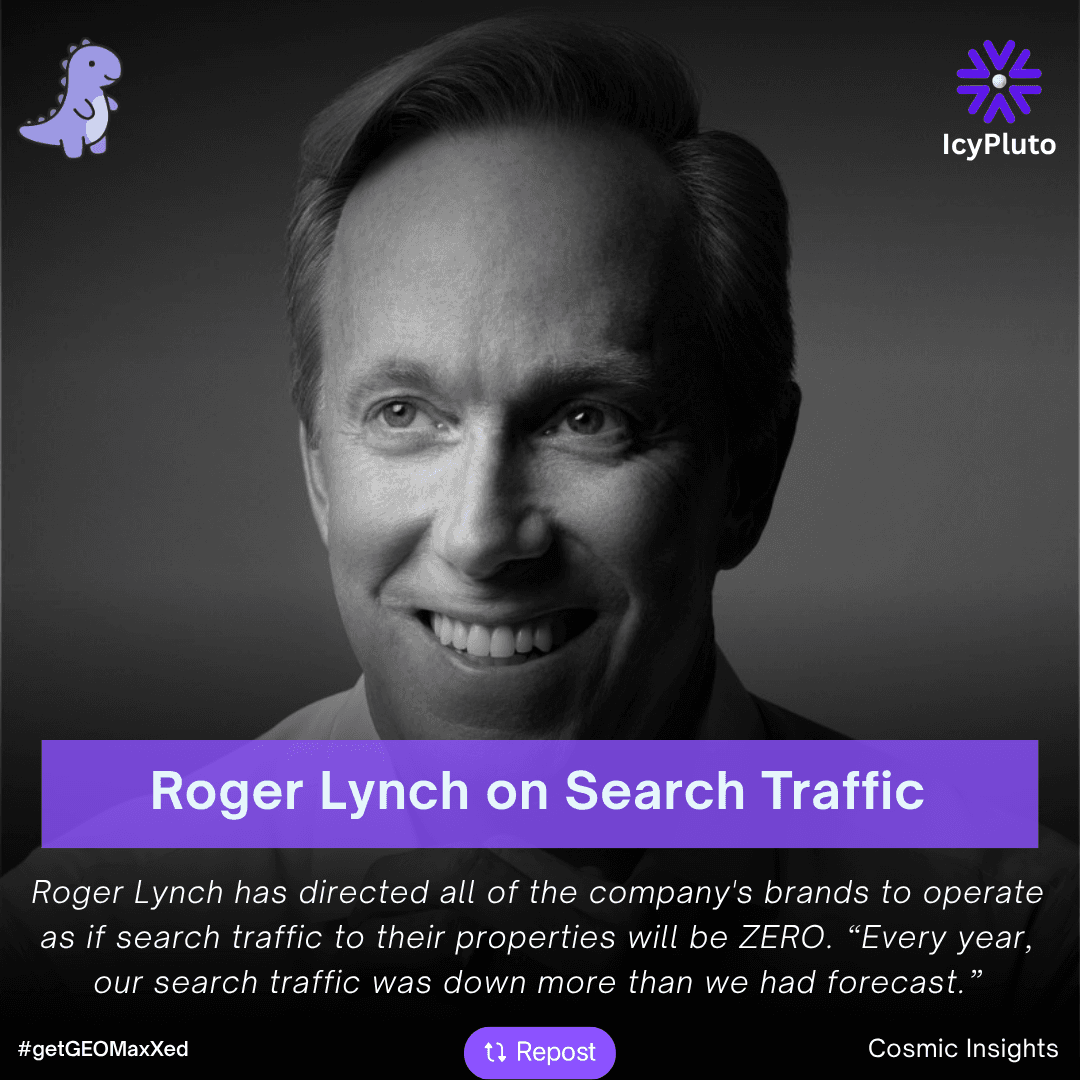
In the fast-changing world of digital media, one of the biggest names in publishing just dropped a reality check that’s making waves across the industry. Roger Lynch, the CEO of Condé Nast, has a clear message for his teams: start planning your business as if search engine traffic will basically disappear.
This isn’t some dramatic overreaction. It comes after three straight years where the company’s own forecasts for declining search traffic kept falling short of reality. What was supposed to be a manageable dip turned out to be steeper every single time. So instead of hoping for the best, Lynch decided it was time to prepare for the worst-case scenario.
Let me walk you through what this really means, why it’s happening, and how content creators, publishers, and brands everywhere should be thinking about their own futures.
Condé Nast isn’t just any media company. They publish powerhouse brands like Vogue, The New Yorker, GQ, Vanity Fair, Wired, Architectural Digest, and many more. These are household names with decades of history and massive audiences. When their CEO starts talking about zero search traffic, it’s not hype—it’s a strategic shift based on hard data.
In a candid interview, Lynch explained the pattern they’ve seen. Every year, they’d budget for search declines based on algorithm changes they were observing. And every year, the actual drop was bigger than expected. After watching this happen repeatedly, he gave a straightforward directive: “Assume there’s no search. You have to have your businesses planned as if search is zero.”
Importantly, he isn’t saying search traffic will literally hit absolute zero. He expects it to settle into a small single-digit percentage of total traffic. But the point is clear—relying on Google or other search engines as a major growth driver is no longer a safe bet.
This approach shows real leadership. Instead of crossing fingers and hoping the algorithm gods smile on them again, they’re building resilience into their business model.
To understand why this is happening, it helps to look at how dramatically search engine results pages (SERPs) have evolved. Lynch’s team did a simple but powerful exercise: they compared search result snapshots from seven or eight years ago with today’s versions.
Back then, you’d see a few sponsored links at the top, followed by the classic “ten blue links” – clean, organic results pointing to relevant websites. Today? It’s a completely different experience. You’re likely to encounter an AI overview right at the top, then row after row of shopping and commerce links, more sponsored content, and only then some organic results – often pushed further down the page.
Lynch shared a telling anecdote. When someone asked him how search revenue could possibly be going up for Google despite publishers losing traffic, his response was blunt: “Have you done a search recently?” He noted that he often has to scroll to the second page to even find traditional organic results.
This shift isn’t accidental. Search engines are evolving to keep users on their own platforms longer by providing answers directly, integrating shopping experiences, and prioritizing AI-generated summaries. While this might improve user experience in some ways, it comes at a significant cost to publishers who depend on clicks to survive.
One of the most insightful parts of Lynch’s comments is his description of what he calls the “barbell effect” across Condé Nast’s portfolio. On one end, you have massive, authoritative brands. On the other, highly focused niche publications with deeply loyal audiences. The stuff in the middle? That’s where the real vulnerability lies.
Take Vogue, for example. Lynch proudly noted that it has grown revenue and profitability every single year he’s been at the company. The New Yorker also had its most successful year ever recently. These are powerhouse brands with strong authority in their spaces.
At the other end of the barbell sits something like Pitchfork. It might only account for about 1% of Condé Nast’s total revenue, but it commands a fiercely loyal audience in the music space. That dedication creates real value that isn’t as dependent on search whims.
The message is powerful: in today’s environment, being “pretty good” at covering a broad topic isn’t enough. You either need to dominate a major category with unmatched authority or carve out a specific niche where your audience is willing to come directly to you – and even pay for the privilege.
Brands stuck in the middle, without deep authority or a passionate niche following, face an uphill battle. They’ll keep fighting declining traffic without a clear path to sustainable growth. This observation aligns with broader industry data showing smaller and mid-sized publishers are often hit hardest by search changes.
So how is Condé Nast responding to these challenges? By doubling down on direct relationships with readers through subscriptions. Last year, their digital subscriptions grew by 29% in revenue, with double-digit growth continuing into this year.
What’s particularly interesting is how they’ve handled pricing. They’ve raised subscription prices significantly over the past couple of years. Normally, you’d expect retention rates to drop with higher prices. But the opposite happened – retention actually improved with each increase.
This suggests that when you deliver genuine value and build real loyalty, audiences are willing to pay more. It’s a testament to the strength of their brands and the quality of their content.
They’re also expanding this model to smaller properties. Both Pitchfork and Tatler recently launched paid digital subscriptions, showing that the strategy isn’t limited to their biggest titles. Even niche brands can build sustainable subscription businesses with the right approach.
Lynch’s comments don’t exist in isolation. They match what many independent sources have been reporting. Data from Chartbeat showed search referral traffic dropping by around 60% for small publishers over two years. A Reuters Institute survey found media leaders expecting more than 40% declines in search traffic over the next three years.
Google has tried to frame these losses as reductions in low-quality “bounce clicks” – traffic that didn’t provide much value anyway. But publishers across the board are feeling the impact on their businesses, and there’s limited transparent data from Google to fully support their perspective.
The significance of Condé Nast’s stance is that it comes from a company with serious scale and resources. When a major player like this starts formally planning for minimal search dependency, it signals that the industry shift is real and here to stay.
For content creators and publishers reading this, the takeaway isn’t to panic – it’s to adapt thoughtfully. Here are some key principles worth considering:
First, focus relentlessly on building direct audience relationships. Email lists, social communities, apps, and subscription models all help reduce reliance on any single traffic source. When readers come to you because they value what you create, algorithm changes hurt less.
Second, understand where your brand fits in the barbell. Are you positioned as an authority in a major category? Or do you serve a passionate niche with unmatched depth? If you’re somewhere in the middle, it might be time to either specialize further or find ways to strengthen your authority.
Third, invest in quality and differentiation. AI overviews and search changes reward content that goes beyond basic information. Original reporting, unique perspectives, beautiful design, community engagement, and premium experiences become even more valuable.
Fourth, diversify revenue streams. While advertising still matters, subscriptions, events, commerce partnerships, memberships, and other direct monetization methods provide crucial stability.
Fifth, be smart about SEO but don’t worship it. Understanding how search works remains important, but treating it as one channel among many – rather than the primary growth engine – leads to healthier long-term strategies.
While Condé Nast has significant resources, many of these principles apply even more urgently to smaller operations. Without massive brand recognition, building direct relationships becomes essential rather than optional.
Consider how you can create “unsearchable” value – experiences, communities, or content that can’t easily be replicated by AI summaries. Live events, private communities, interactive tools, or deeply personal storytelling often fit this category.
Many successful independent publishers have already shifted toward this model. They treat search traffic as a nice bonus rather than the foundation of their business. When it comes, great. When it dips, their core audience keeps them stable.
This approach requires patience and consistent effort. Building a loyal audience takes time. But once established, it creates a much more resilient business than chasing algorithm changes ever could.
Behind all these business discussions are real people and creative teams. Journalists, editors, photographers, designers, and content creators pour their hearts into their work. When traffic declines hit, it can feel personal and discouraging.
But there’s also opportunity here. The shift away from pure search dependency can actually reward better journalism and more authentic content. When success depends more on pleasing actual readers than gaming algorithms, creativity and quality have a better chance to flourish.
Many creators report feeling more fulfilled when focusing on audience relationships rather than traffic metrics. There’s something meaningful about knowing your work reaches people who genuinely want it, rather than hoping for accidental clicks.
The changes we’re seeing suggest digital media is maturing. The early internet era was about rapid growth and easy discovery through search. Now, we’re moving toward sustainable businesses built on real value and direct connections.
This transition won’t be easy for everyone. Some publications will struggle to adapt. Others will find new ways to thrive. The ones that succeed will likely be those that embrace the barbell strategy – either building massive authority or deep niche loyalty – while developing strong direct revenue channels.
For Condé Nast, this planning process is already underway. They’re evaluating each brand’s path forward in a low-search world and prioritizing those with clear strategies. Other large publishers will likely follow similar approaches.
If you’re running a content business or personal brand, here are some actionable ideas to start implementing:
Audit your current traffic sources and revenue breakdown. How dependent are you on search?
Survey your audience about what they value most and what they’d be willing to pay for.
Experiment with subscription or membership models, even at a small scale.
Invest in building an owned email list and direct communication channels.
Focus content strategy on areas where you can provide unique value that stands out from AI summaries.
Consider partnerships or collaborations that strengthen your authority or niche position.
Track metrics beyond pageviews – engagement, retention, and direct conversions matter more now.
Roger Lynch’s directive to plan for zero search traffic might sound extreme, but it’s actually a pragmatic approach to uncertainty. By preparing for the most challenging scenario, Condé Nast positions itself to handle whatever comes while building stronger, more sustainable businesses.
For the broader industry, this moment represents both challenge and opportunity. The old model of depending heavily on search discovery is fading. A new era focused on direct relationships, quality, and diversified revenue is emerging.
Those who adapt thoughtfully – whether they’re running massive media empires or independent newsletters – will be best positioned for long-term success. The key is moving beyond fear of change toward strategic preparation and creative innovation.
The future of content isn’t about fighting search engines or hoping for algorithm reversals. It’s about creating such compelling value that audiences seek you out directly. In that world, search traffic becomes icing on the cake rather than the whole recipe.
As we navigate these shifts, staying focused on audience value while building resilient business models will separate the survivors from the strugglers. The barbell is forming – where will you position yourself on it?