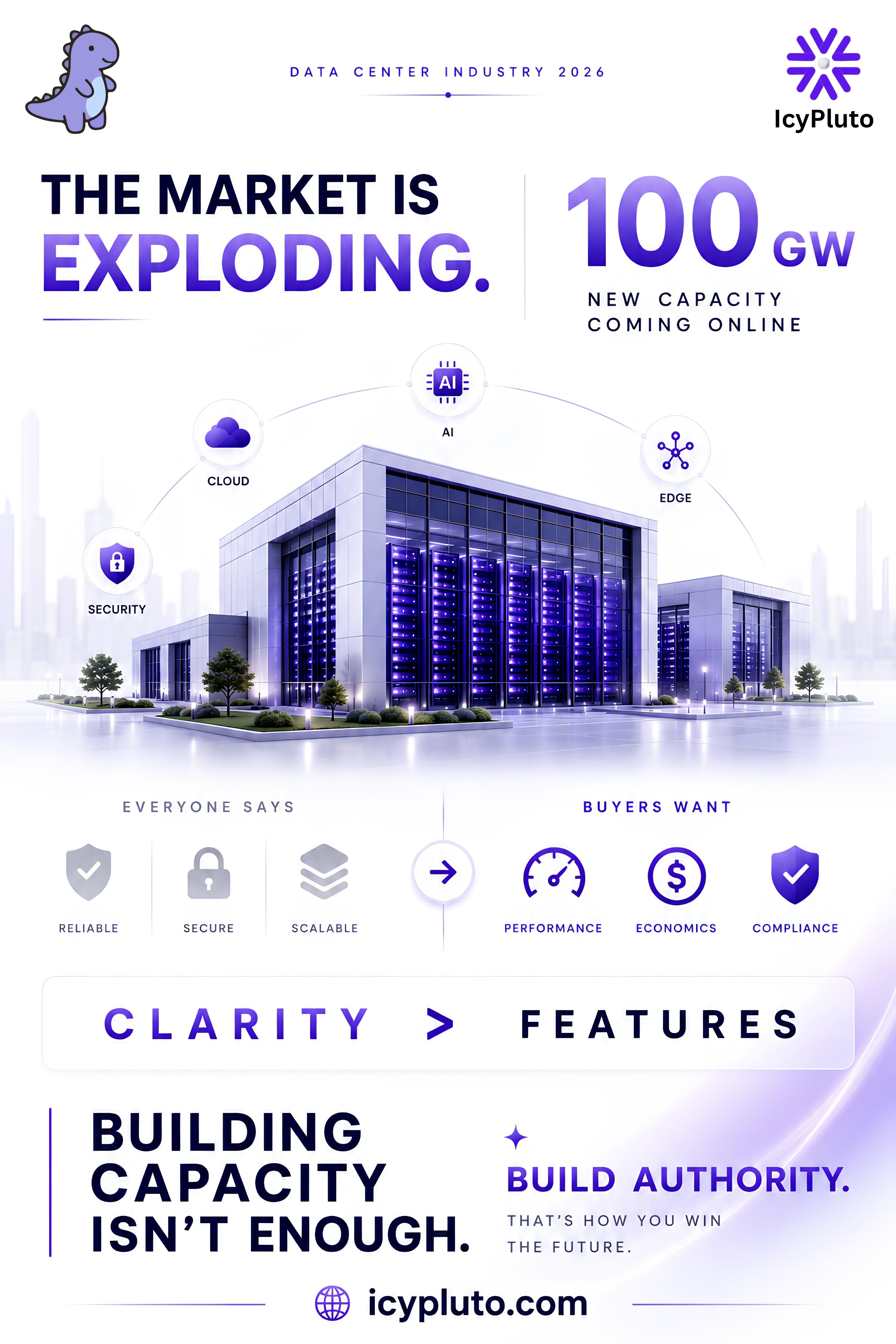
This blog explores the marketing gaps holding back...
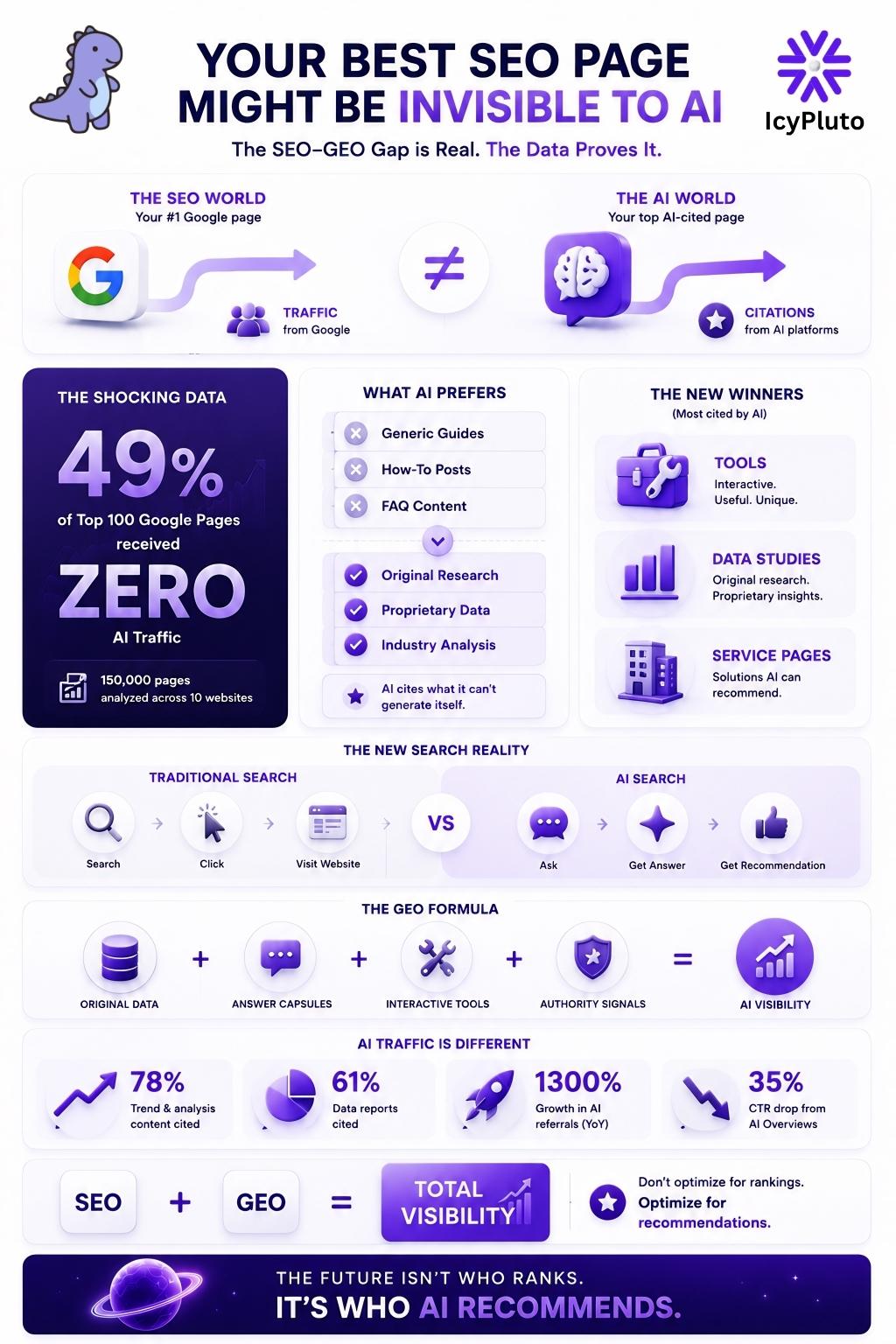
This comprehensive blog post explores the SEO-GEO ...
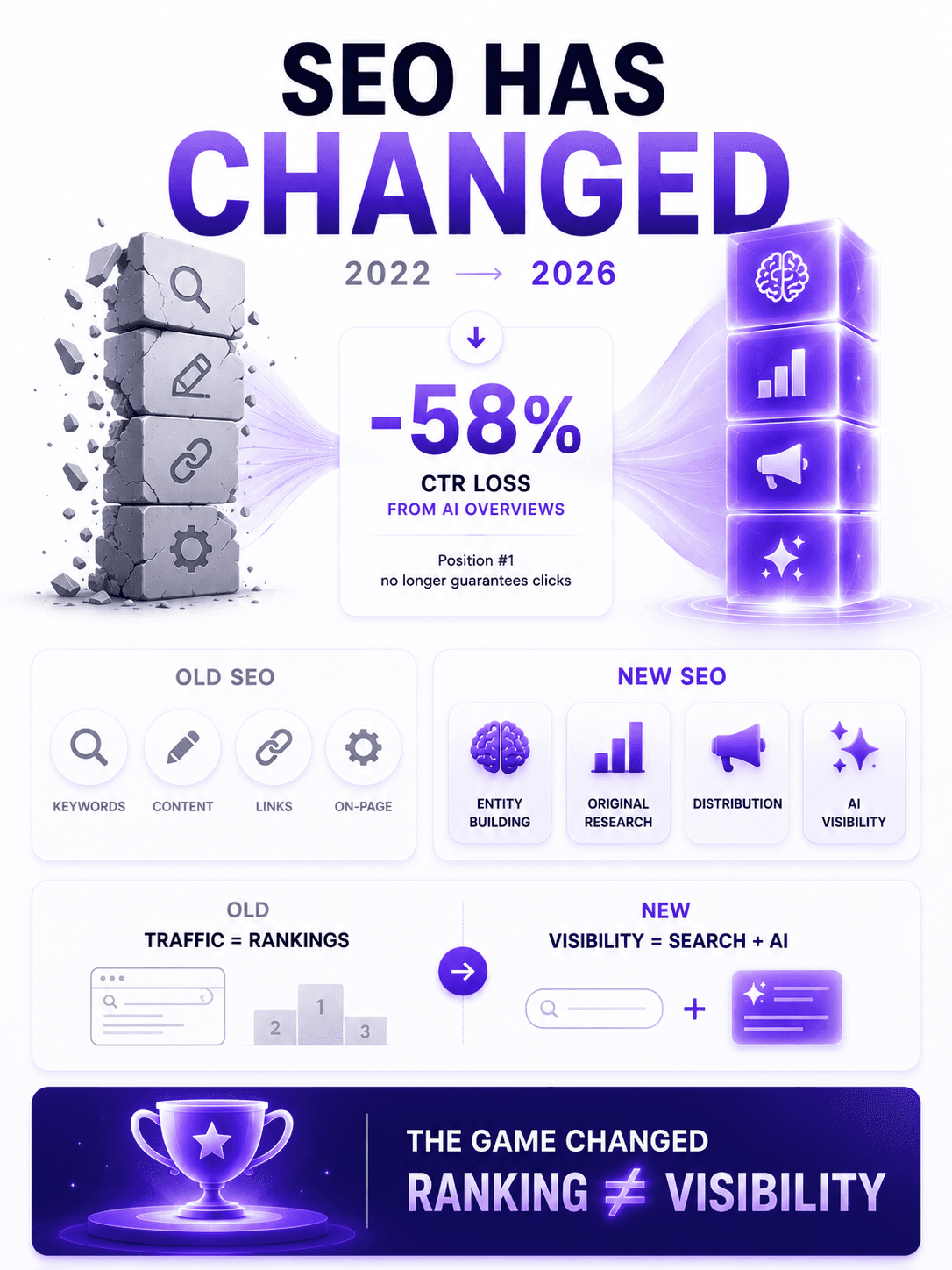
This blog reveals why traditional SEO work no long...
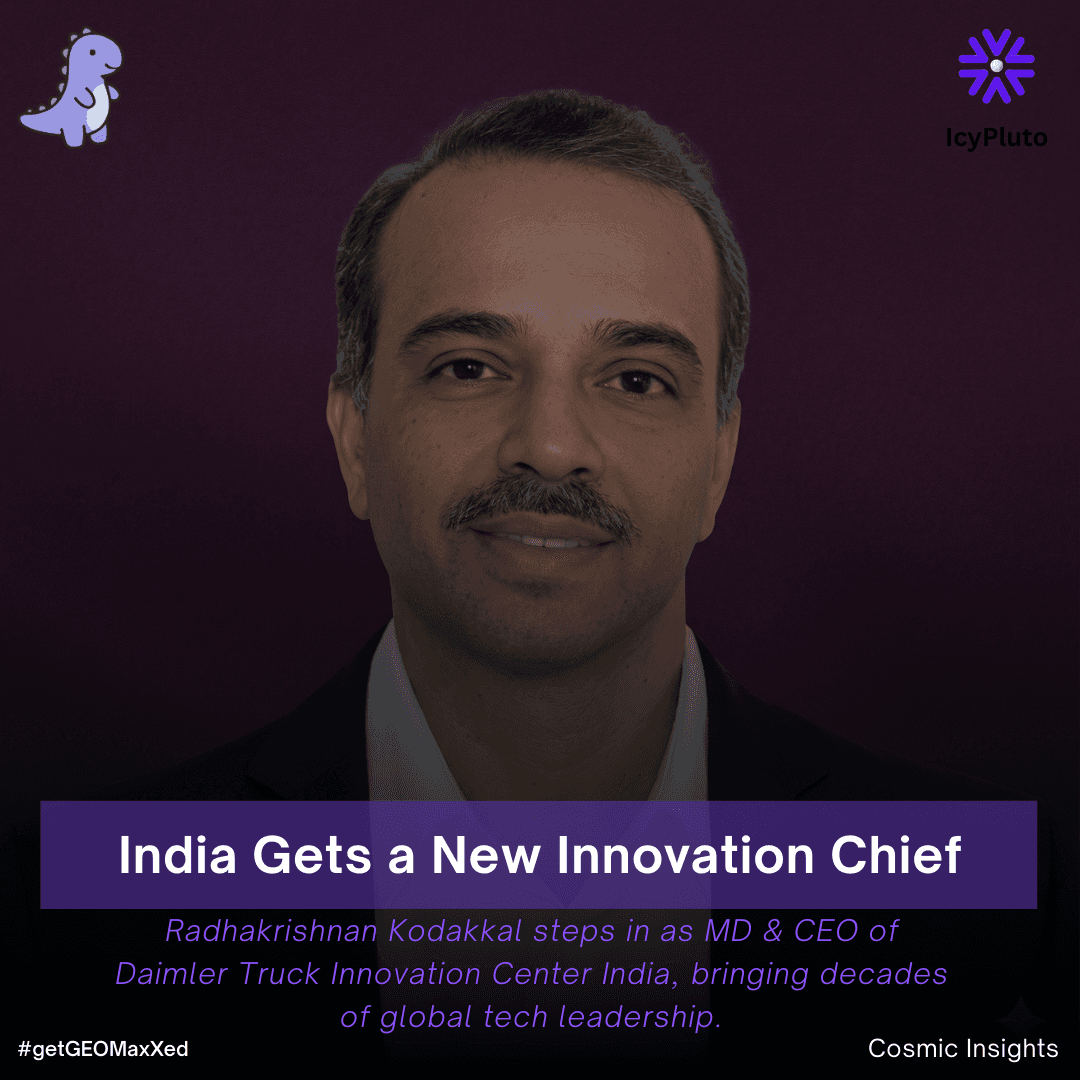
The Indian technology and automotive innovation landscape has received a significant boost with the appointment of Radhakrishnan Kodakkal as the Managing Director and Chief Executive Officer of Daimler Truck Innovation Center India (DTICI). This appointment is being widely regarded as a strategic move by Daimler Truck to strengthen its global innovation pipeline through one of Asia's most dynamic engineering talent pools — India.
At IcyPluto, we track leadership movements that shape the future of technology, mobility, and global innovation. This appointment checks every single one of those boxes. Kodakkal brings with him decades of cross-industry, cross-continental experience — a rare combination that positions DTICI for a new chapter of accelerated growth and technological excellence.
To truly understand the weight of this appointment, one needs to look back at the remarkable journey Radhakrishnan Kodakkal has carved out across some of the world's most respected technology and engineering organizations.
Kodakkal is not new to leading high-stakes technology functions. His career spans multiple continents and sectors, giving him a 360-degree view of what it means to build and scale innovation centers that deliver real, measurable value to global enterprises.
Kodakkal began building his engineering and technology strategy expertise through formative roles at ICT Group and ABB, two organizations known for their emphasis on precision engineering, process innovation, and industrial automation. These early experiences gave him the tools not just to understand complex technology ecosystems, but to help design and grow them.
This foundational phase of his career is what many industry observers point to as the bedrock of his leadership philosophy — one centered around practical innovation, cross-functional collaboration, and a deep respect for the engineering process.
Perhaps the most defining stretch of Kodakkal's career was the nearly 15 years he spent at Philips, where he held multiple global R&D leadership roles. Among the most significant of these was his position as Global R&D Leader for Diagnostic X-Ray and Surgery Imaging — a highly specialized and technically demanding domain that sits at the intersection of hardware engineering, software development, medical science, and regulatory compliance.
Leading R&D in such a high-precision domain requires far more than technical expertise. It demands the ability to manage global teams, navigate regulatory landscapes across different countries, maintain cutting-edge research standards, and translate complex scientific progress into commercially viable products. Kodakkal did all of this and more at Philips.
Over his tenure, he was involved in shaping the direction of some of Philips' most critical imaging technology divisions. His work directly contributed to advancements in medical diagnostics — a field where technological innovation literally saves lives. These years at Philips also helped him develop a global perspective on R&D management, understanding how to align dispersed teams around a unified innovation vision.
After his long and impactful tenure at Philips, Kodakkal moved to Whirlpool Corporation, where he held two significant titles: Global Head of Integrated Technology and Vice President & Head of the Global Technology & Engineering Center.
At Whirlpool, the focus shifted from medical imaging to consumer technology and home appliances — a pivot that demonstrates Kodakkal's ability to transfer innovation leadership skills across industries. Consumer technology is a fast-moving, highly competitive space, and leading Whirlpool's global technology center required him to manage a broad portfolio of engineering functions, emerging technology integration, and strategic product development initiatives.
His work at Whirlpool further sharpened his ability to align global technology strategy with business goals — a skill set that is now being brought directly into the automotive and mobility space through his new role at DTICI.
Daimler Truck Innovation Center India (DTICI) is not just another corporate satellite office. It is a strategically positioned innovation hub that serves as a critical contributor to Daimler Truck's broader global technology and mobility ecosystem.
India has increasingly become a preferred destination for global companies looking to establish or expand their engineering and R&D capabilities. The combination of a vast talent pool of highly skilled engineers, competitive operational costs, a robust IT infrastructure, and a growing emphasis on deep-tech innovation has made India an indispensable part of many multinational technology strategies.
DTICI embodies exactly this logic. Operating out of India, the center supports Daimler Truck's global engineering ambitions — contributing to areas such as vehicle software development, autonomous driving systems, connected mobility platforms, electric drivetrains, and next-generation logistics technology.
For a company like Daimler Truck, which is navigating a fundamental transformation in the commercial vehicle industry — from traditional combustion engines to electrification, from manual logistics to AI-driven supply chains — having a well-led, high-performing innovation center in India is not optional. It is essential.
With Kodakkal at the helm, DTICI is expected to accelerate its contributions to these global transformation efforts. His appointment signals that Daimler Truck is not merely maintaining the status quo at its India center — it is actively investing in elevating DTICI's capabilities and ambitions.
His mandate, as per the official announcement, involves leading the company's innovation, engineering, and advanced technology initiatives, while also supporting the strategic growth of Daimler Truck's global technology and mobility ecosystem through the India hub. That is a broad and powerful mandate — one that requires both deep technical knowledge and strong strategic leadership.
Kodakkal's appointment also comes at a particularly exciting moment for India's role in the global automotive and mobility technology ecosystem. The country is witnessing an unprecedented surge in automotive R&D investments, driven by a combination of government policy support, a maturing startup ecosystem, world-class engineering universities, and growing global confidence in India's ability to deliver complex technology solutions.
India produces over 1.5 million engineering graduates annually, many of whom go on to work in cutting-edge technology functions across industries including automotive, aerospace, defense, healthcare technology, and enterprise software. For global companies like Daimler Truck, this talent pool is a genuine strategic advantage.
DTICI's ability to tap into this ecosystem — to recruit top-tier engineers, data scientists, software architects, and AI researchers — gives Daimler Truck capabilities that would be significantly more expensive and logistically complex to replicate elsewhere. Under Kodakkal's leadership, one can expect a sharp focus on talent development, capability building, and deepening the center's technical expertise across critical future-facing technology domains.
The commercial vehicle industry is undergoing one of its most significant transitions in decades. Electric trucks, connected fleet management systems, AI-powered predictive maintenance, and autonomous driving technologies are reshaping what it means to move goods across cities, countries, and continents.
Daimler Truck is one of the central players in this transformation globally. DTICI, under Kodakkal's leadership, is expected to play an increasingly active role in developing and deploying these technologies — not just as a support center for Western engineering teams, but as a genuine innovation hub generating original intellectual property and breakthrough solutions.
Based on his professional track record, several clear themes are likely to define Kodakkal's leadership at DTICI.
One of the hallmarks of Kodakkal's career has been his ability to build and lead high-performing global engineering teams. Whether at Philips, where he managed complex international R&D divisions, or at Whirlpool, where he oversaw a sprawling global technology center, team-building and talent strategy have consistently been central to his success.
At DTICI, this experience will be invaluable. Growing the center's headcount, attracting top talent, establishing strong engineering cultures, and building robust internal career pathways will all likely be high on his agenda.
Kodakkal's experience spans industrial automation (ABB), medical imaging (Philips), consumer technology (Whirlpool), and now automotive mobility (DTICI). This breadth of cross-industry exposure is a rare and powerful asset. In today's world, the most breakthrough innovations often happen at the intersection of industries — where insights from healthcare technology inspire automotive safety systems, or where consumer electronics advances drive in-cab connectivity experiences.
Kodakkal is uniquely positioned to bring this cross-pollination of ideas into DTICI, fostering a culture of broad innovation thinking that reaches beyond the conventional boundaries of automotive engineering.
Perhaps most importantly, Kodakkal's appointment is a statement about India's growing stature in the global technology leadership hierarchy. It is no longer enough for India-based centers to execute on strategies conceived elsewhere. The expectation — and the opportunity — is for India to originate, lead, and shape global innovation agendas.
Kodakkal's elevation to the MD & CEO role at DTICI is part of this broader narrative. His appointment signals that India-based talent is ready and capable of leading global mandates at the highest level.
At IcyPluto, we believe that the leaders who will define the next decade of technology are those who can operate fluidly across industries, geographies, and disciplines. Radhakrishnan Kodakkal's career is a masterclass in exactly this kind of adaptive, cross-functional leadership.
As COSMOS' First AI CMO, IcyPluto is deeply invested in tracking and amplifying the stories that matter in the global technology and innovation ecosystem. The Daimler Truck–DTICI–Kodakkal story is one of those stories.
It speaks to the increasing importance of India in global technology strategy. It reflects the commercial vehicle industry's ambitious bet on the future of electric, connected, and intelligent mobility. And it showcases what a lifetime of purposeful, cross-sector innovation leadership looks like when it arrives at its most consequential chapter yet.
We will be watching closely as Kodakkal steers DTICI into this exciting new era — and we look forward to covering the milestones, breakthroughs, and innovations that emerge from this appointment in the months and years ahead.
The appointment of Radhakrishnan Kodakkal as Managing Director and CEO of Daimler Truck Innovation Center India is a landmark moment for multiple stakeholders — for DTICI and its employees, for Daimler Truck's global technology ambitions, for the Indian engineering community, and for the broader automotive innovation ecosystem.
With a career spanning prestigious organizations across multiple industries and continents, Kodakkal arrives at DTICI with precisely the kind of experience, vision, and credibility that this moment demands. His mandate — to lead innovation, engineering, and advanced technology initiatives while supporting Daimler Truck's global mobility strategy — is both challenging and exciting.
For India, this is another signal that the country is not just participating in the global technology conversation. It is increasingly leading it.
Stay tuned to IcyPluto for continued coverage of the people, companies, and ideas driving the future of technology and innovation worldwide.