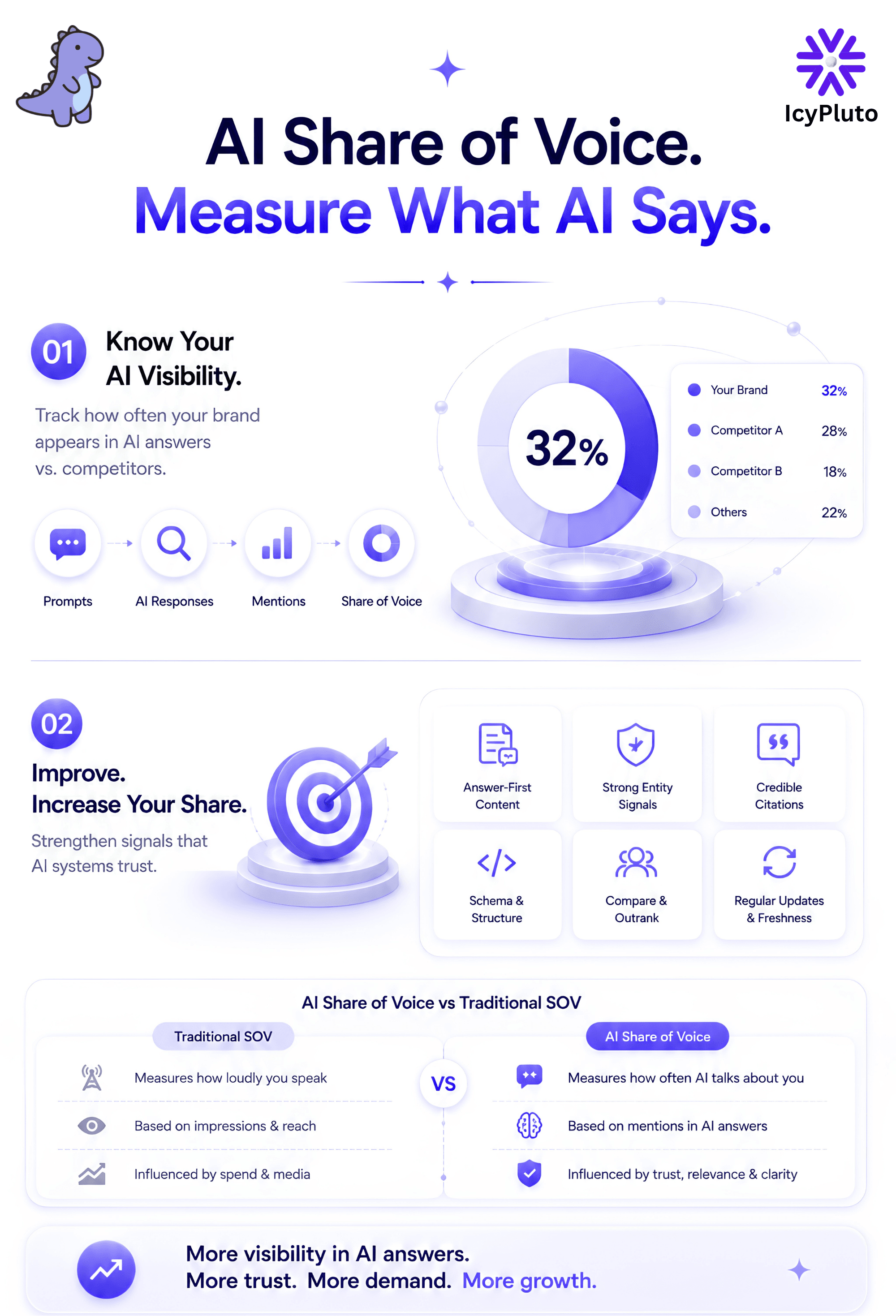
AI share of voice is the new visibility metric bra...

This blog reveals how to maximize visibility in tr...
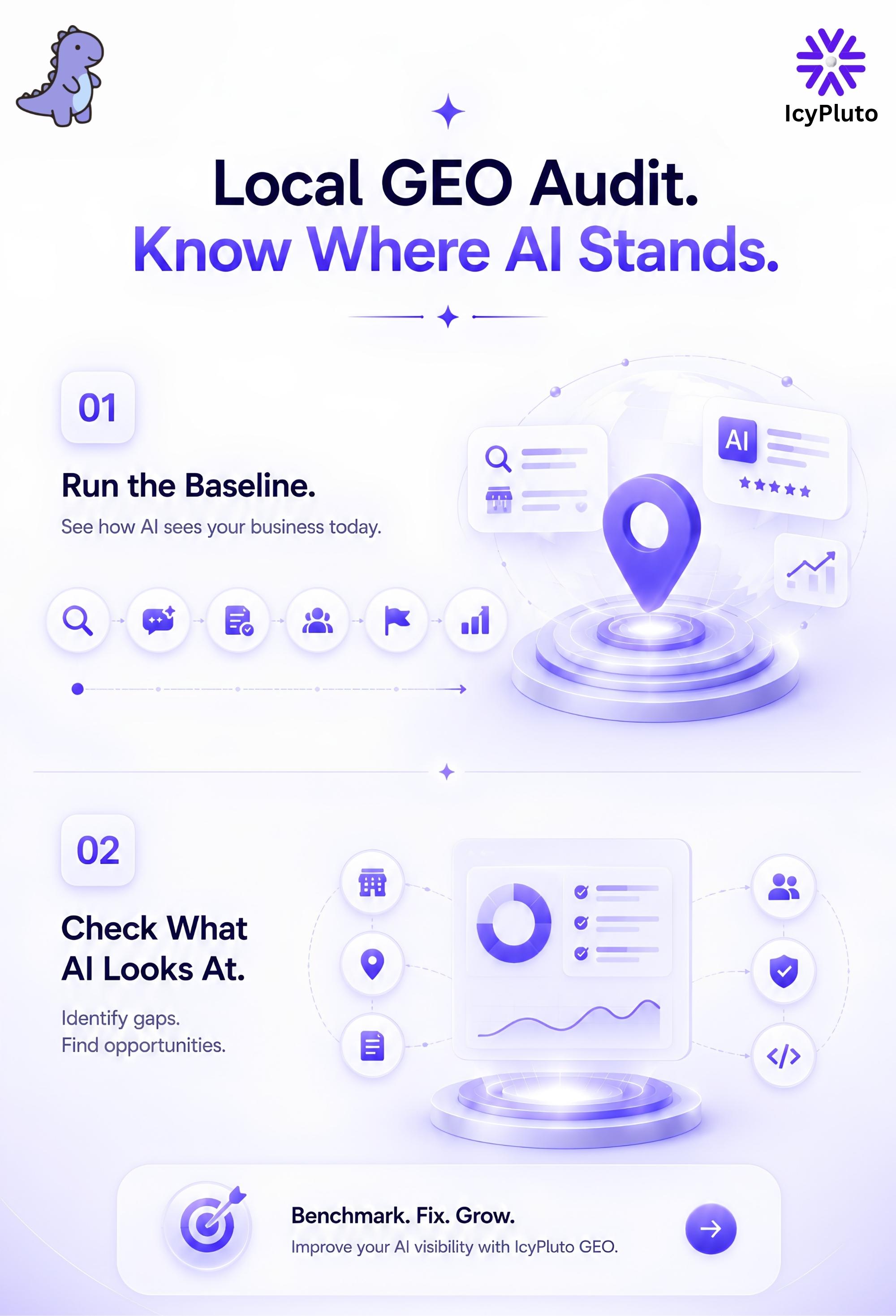
A local GEO baseline audit helps you understand ho...
In the fast-paced world of digital publishing, many large newsrooms and media companies face a frustrating paradox. They pour significant resources into creating high-quality content, yet they still miss out on valuable organic search traffic and ad revenue opportunities. The culprit often is not lack of effort or talent. It is outdated, fragmented publishing systems that create unnecessary friction at every step.
At Icypluto, we have worked with numerous publishers who felt stuck in this cycle. They watch smaller outlets rank faster on breaking stories, see their page speeds suffer on high-traffic pages, and struggle with ad performance that does not match their audience size. The good news is that targeted improvements in publishing workflows can simultaneously drive more organic traffic and stronger ad revenue.
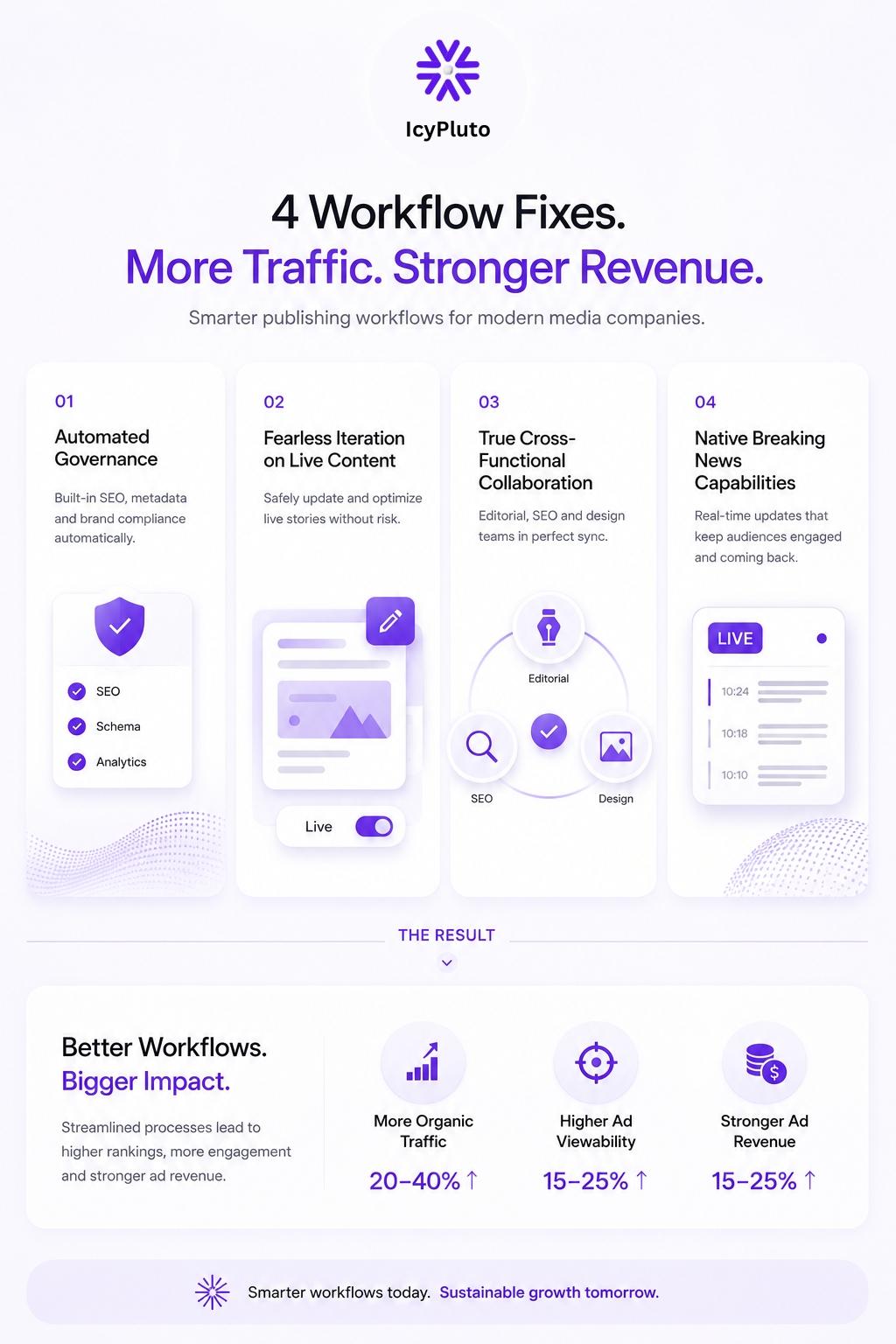
Today, we are exploring four practical workflow fixes that many forward-thinking publishers are adopting to solve these challenges.
Most large media organizations operate on legacy content management systems pieced together with various plugins and third-party tools. While these setups might have worked years ago, they now create what we call the Fragmentation Tax. This is a hidden drag on growth that affects everything from content speed to monetization potential.
This tax shows up in several painful ways. Editorial teams wait too long to publish breaking news. SEO specialists cannot easily optimize metadata without involving developers. Marketers hesitate to test new ad formats or calls to action because changes risk breaking the live site. The result is lost search visibility during critical moments and suboptimal ad performance on your most important pages.
Industry data highlights the scale of this issue. According to various reports from 2025-2026, many large publishers lose 20-40% potential organic traffic due to slow publishing velocity and poor technical optimization. At the same time, Core Web Vitals issues on high-traffic pages can reduce ad viewability and revenue by 15-25%.
One of the biggest breakthroughs comes from building automated governance directly into the publishing workflow. Instead of relying on manual checklists that busy teams often overlook, modern systems can enforce SEO best practices, tracking standards, and brand guidelines automatically.
This means every article gets proper metadata, schema markup, and optimization before it goes live, without slowing down the editorial process. No more missing title tags or inconsistent analytics implementation that hurts both discoverability and revenue tracking.
Publishers who implement strong governance report fewer errors and more consistent performance across their content library. When every piece starts with solid technical foundations, organic traffic compounds over time while ad systems can better understand and monetize the content.
High-traffic articles represent a publisher’s most valuable digital real estate. Yet in many legacy setups, making improvements to a live story feels risky. Adding a new CTA, updating sections based on fresh developments, or testing different headlines could accidentally break layouts or harm user experience.
Modern workflows solve this through staged editing capabilities. Teams can draft and preview changes to live content safely before pushing them public. This encourages continuous optimization without the fear of downtime or negative user impact.
The benefits are significant. Publishers can respond quickly to changing search trends, improve conversion rates through better CTAs, and refine content for better engagement, all while protecting page speed and ad performance. This fearless approach turns static articles into living assets that keep generating traffic and revenue long after publication.
Breaking down silos between editorial, SEO, and engineering teams is another game-changer. In traditional setups, these groups often work in separate tools, leading to communication delays and missed opportunities.
Unified platforms now allow real-time collaboration where journalists can write, SEO experts can optimize metadata and structure, and designers can handle media, all within the same interface. This eliminates back-and-forth emails and last-minute scrambles.
The impact on both organic traffic and ad revenue is substantial. Content reaches its full potential faster. SEO optimizations happen naturally during the creation process rather than as afterthoughts. And technical teams spend less time firefighting, freeing them to focus on innovation.
Data Insight: Studies from publishing platforms show that organizations with strong cross-functional workflows can reduce time-to-publish by 40-60% while improving organic rankings for time-sensitive content.
In today’s 24/7 news cycle, speed matters enormously. Publishers who can update stories rapidly during major events capture significantly more traffic and engagement.
Legacy systems often rely on clunky third-party live blog tools that hurt page performance and fragment user data. Modern native breaking news features allow seamless, real-time updates directly on the publisher’s domain.
This keeps audiences engaged longer, generates more ad impressions, and strengthens brand authority in search results. When readers stay on your site instead of jumping to competitors or social platforms, both traffic metrics and revenue benefit.
The beauty of these four pillars is that they create positive reinforcement between organic traffic and ad revenue. Better workflows lead to faster publishing, which captures more search demand. Improved technical performance boosts Core Web Vitals, increasing ad viewability. Stronger collaboration produces better-optimized content that performs well across both search and monetization platforms.
At Icypluto, we have seen firsthand how workflow optimization can transform a publisher’s trajectory. We believe the future belongs to organizations that treat their publishing infrastructure as a strategic growth asset rather than just a cost center.
Our approach emphasizes building systems that empower editorial teams while giving marketers and SEO specialists the tools they need to succeed. When technology removes friction instead of creating it, great journalism and smart business strategies can truly flourish together.
If you are ready to reduce your own Fragmentation Tax, here are some actionable recommendations:
Audit your current publishing bottlenecks, from ideation to live optimization.
Evaluate how easily your team can collaborate across departments.
Assess your breaking news capabilities and technical performance on high-traffic pages.
Consider piloting unified workflow solutions on a section of your site first.
Measure both organic traffic and ad revenue metrics before and after changes.
The media industry continues facing intense pressure from platform changes, economic challenges, and evolving reader habits. In this environment, operational excellence becomes a major differentiator.
Publishers who invest in streamlined, modern workflows position themselves to capture more organic search traffic while maximizing revenue from their audience. They move faster, iterate smarter, and create better experiences for both readers and advertisers.
The shift away from fragmented systems toward unified, efficient publishing platforms represents more than just a technical upgrade. It is a strategic move that aligns editorial excellence with sustainable business growth.
At Icypluto, we are excited to see more publishers embrace these changes and thrive in the years ahead. The opportunity to improve both organic visibility and ad performance has never been more accessible, or more important.