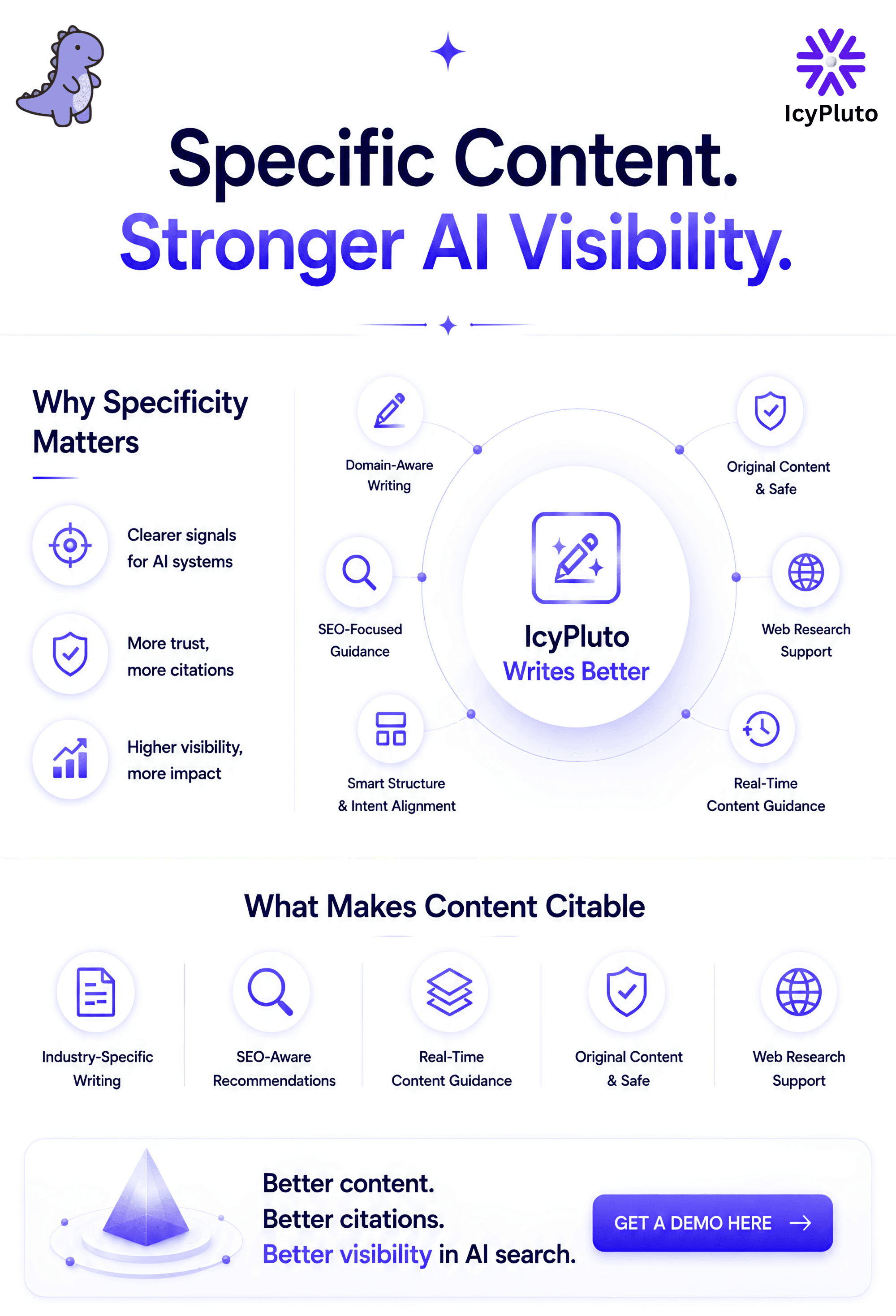
AI SEO writing is getting more specific, and that ...
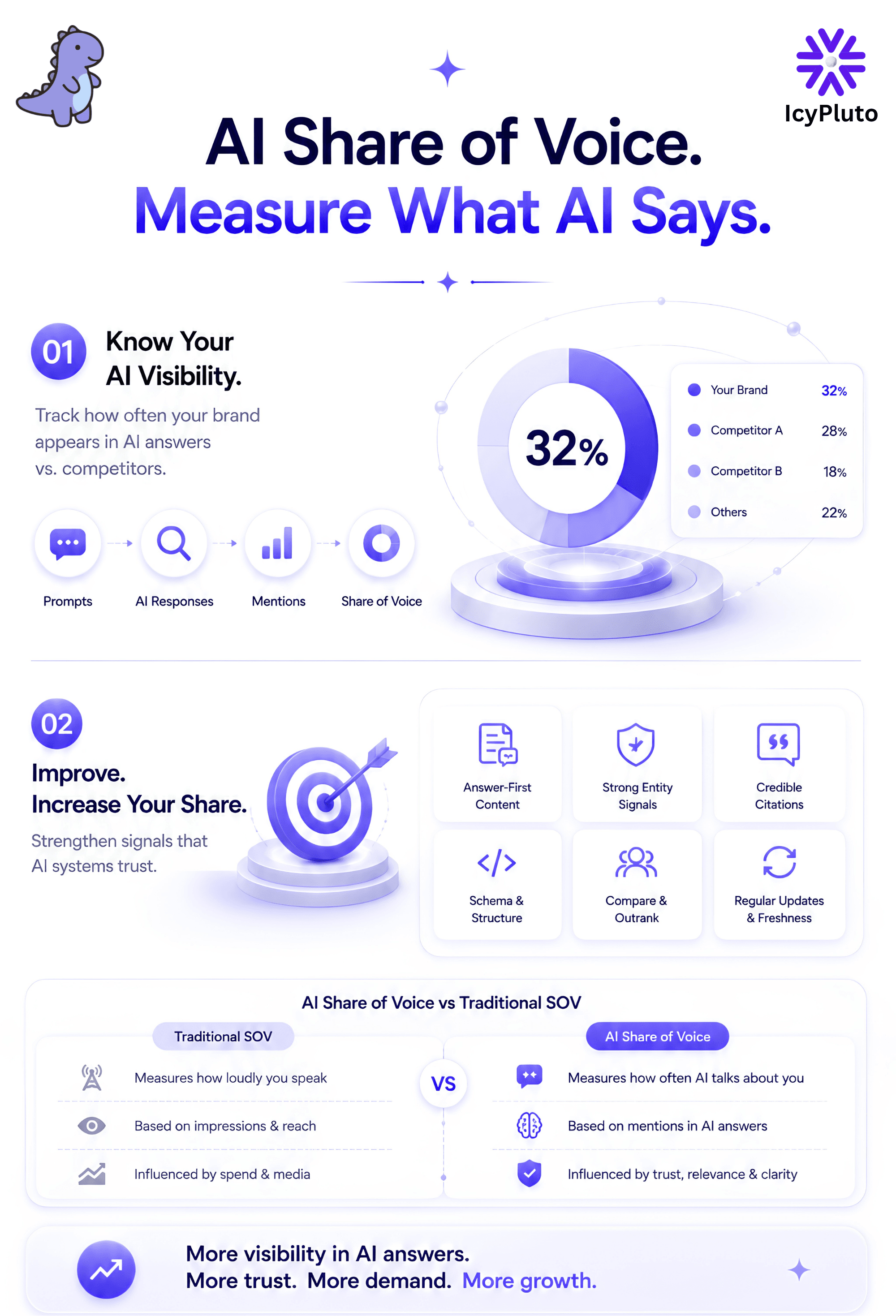
AI share of voice is the new visibility metric bra...
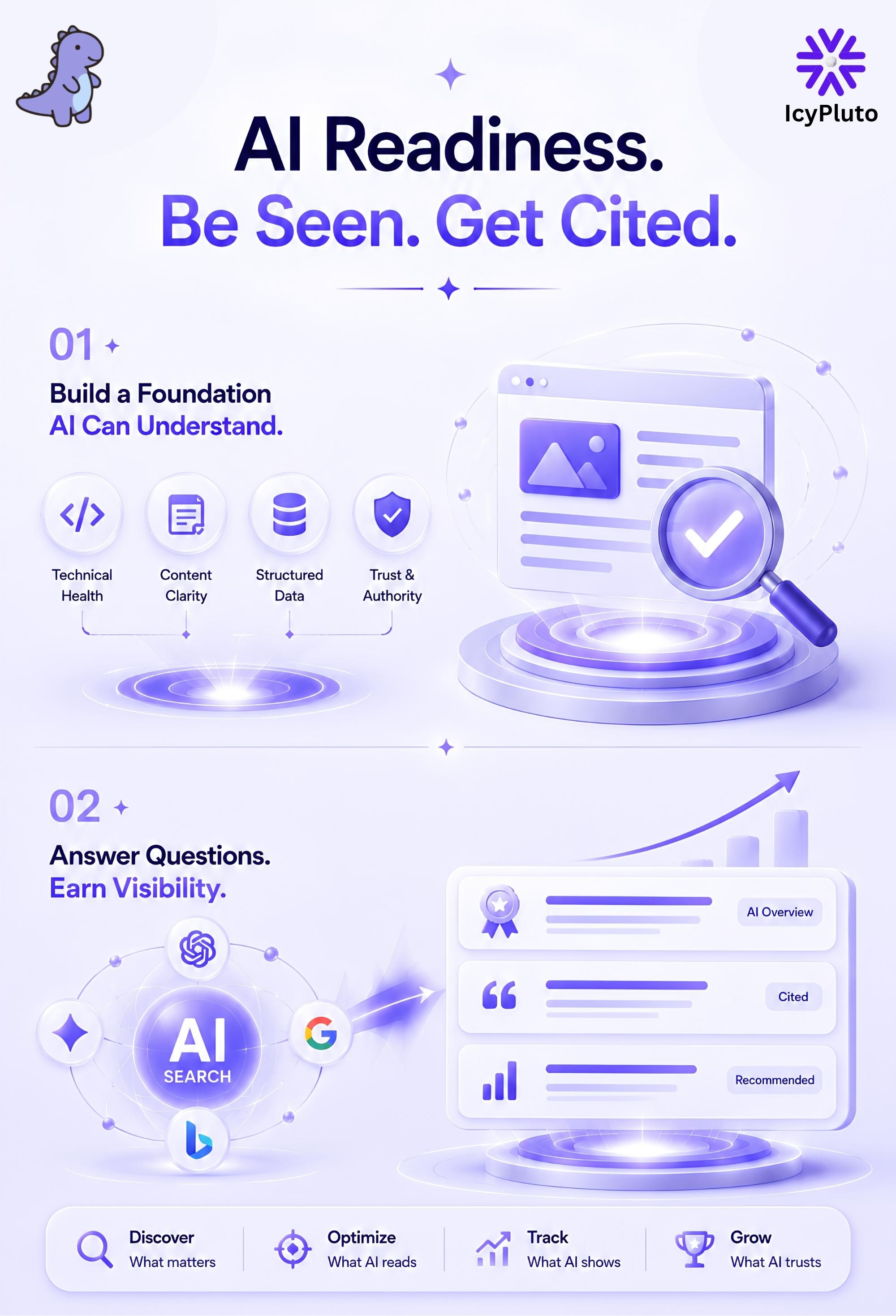
AI readiness is no longer just a technical concept...
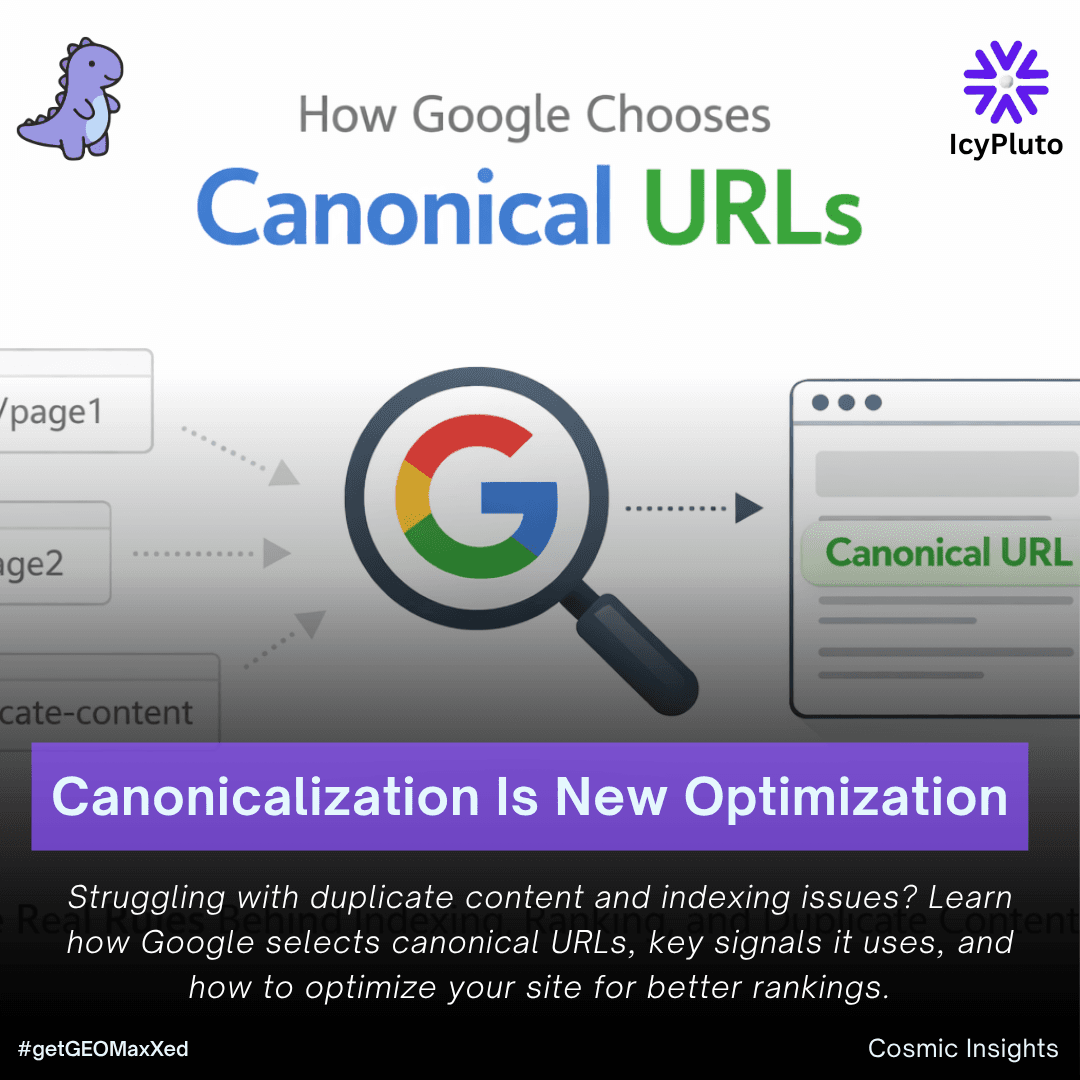
Most SEO professionals believe canonical tags are directives. They assume that adding a rel=canonical tag tells Google exactly which page to index and rank.
That assumption is wrong.
Canonicalization is not a command. It is a negotiation. And in many cases, Google ignores your preference entirely.
According to Google’s own documentation and multiple case studies, Google overrides declared canonical tags in a significant number of cases, especially when conflicting signals exist. This becomes critical when you consider that duplicate content affects nearly 25% to 30% of all web pages, based on various SEO studies.
What this means is simple.
If your canonical strategy is weak or inconsistent, Google will make the decision for you. And it may not choose the version you want.
This is not just a technical nuance. It directly impacts indexing, rankings, and even how link equity flows across your site.
The internet is flooded with duplication. From URL parameters and session IDs to HTTP vs HTTPS versions and pagination, the same content often exists across multiple URLs.
Search engines must decide which version represents the “main” page. Without canonicalization, ranking signals would fragment, and search results would become chaotic.
Google estimates that a large portion of the web contains duplicate or near-duplicate content. Studies suggest over 60% of URLs can have some form of duplication, whether intentional or accidental.
This creates a massive challenge.
If signals such as backlinks, internal links, and user engagement are spread across multiple versions of the same page, none of them perform optimally.
Canonicalization solves this by consolidating signals into one preferred URL.
But here’s where most sites fail.
They treat canonical tags as the only signal that matters.
In reality, Google uses a layered system of signals, and canonical tags are just one piece of the puzzle.
Google does not rely on a single factor when selecting a canonical URL. Instead, it evaluates multiple signals and determines which version is the most representative.
The canonical tag is one of those signals, but not the strongest one.
Internal linking plays a major role. Pages that receive more internal links are often treated as more authoritative. If your internal links consistently point to a non-canonical version, you are sending mixed signals.
External backlinks are even more influential. If most backlinks point to a duplicate version of a page, Google may choose that version as canonical, regardless of your tag.
Sitemap inclusion also matters. URLs listed in XML sitemaps are treated as preferred versions, but again, this is not a guarantee.
Then there are technical signals like:
HTTPS vs HTTP (Google strongly prefers HTTPS)
Clean URLs vs parameter-heavy URLs
Mobile-friendly versions
Page load performance
Google has confirmed that stronger signals like redirects and internal linking often outweigh canonical tags, especially when inconsistencies exist.
This creates a hierarchy.
Canonical tags suggest. Other signals decide.
One of the most frustrating scenarios in SEO is when Google chooses a different canonical URL than the one you specified.
This is more common than most teams realize.
Google overrides canonicals when it detects:
Conflicting signals across pages
Low-quality or thin canonical pages
Better user experience on a duplicate version
Stronger backlink profile on an alternate URL
For example, if you declare Page A as canonical but Page B has significantly more backlinks and better engagement, Google may choose Page B instead.
Similarly, if your canonical page loads slower or has weaker content, it may be ignored.
Data from SEO audits shows that 10% to 20% of canonical tags are misinterpreted or ignored due to inconsistencies, especially on large websites.
This is not a bug. It is by design.
Google’s goal is not to follow instructions. It is to deliver the best result.
Canonicalization is not just about avoiding duplicate content penalties. It is about consolidating ranking power.
When done correctly, it ensures that:
Backlinks are attributed to the correct page
Internal link equity flows efficiently
Crawl budget is optimized
Indexing is streamlined
But when done poorly, it creates fragmentation.
Instead of one strong page, you end up with multiple weak ones competing against each other. This dilutes rankings and reduces visibility.
Studies have shown that proper canonicalization can improve organic performance by 15% to 30%, especially for large eCommerce and content-heavy sites.
On the flip side, poor canonical implementation often leads to:
Important pages not being indexed
Wrong pages ranking for target keywords
Loss of backlink value
This is why canonical strategy is not optional. It is foundational.
A major source of confusion is when to use canonical tags versus other tools like redirects or noindex directives.
Each serves a different purpose.
Canonical tags are used when multiple versions of a page should exist, but you want Google to treat one as primary.
Redirects are stronger signals. They permanently send users and search engines to a different URL. Google treats redirects as a clear directive, not a suggestion.
Noindex removes a page from search results entirely.
Google has stated that redirects are among the strongest canonical signals, often overriding other hints. This makes them ideal for consolidating duplicate pages when alternate versions are no longer needed.
However, canonical tags are better suited for cases like:
Product variations
Tracking parameters
Syndicated content
The mistake many sites make is using these tools interchangeably.
They are not interchangeable.
To ensure Google respects your canonical preferences, you need alignment across all signals.
First, consistency is critical. Your canonical tags, internal links, sitemaps, and redirects must all point to the same version of a URL. Even minor inconsistencies can weaken your signal.
Second, strengthen your preferred URL. Ensure that it has:
The majority of internal links
The strongest backlink profile
The best user experience
Fast loading speed and mobile optimization
Third, eliminate unnecessary duplicates. The fewer variations Google has to choose from, the more likely it is to follow your canonical.
Fourth, audit regularly. Large websites often accumulate duplicate URLs over time due to technical changes, filters, and CMS issues. Regular audits can prevent signal fragmentation.
Companies that actively manage canonicalization often see measurable improvements. In many cases, resolving duplication issues leads to 20%+ gains in crawl efficiency and index coverage.
As search evolves, canonicalization is becoming even more important.
AI-driven search systems rely heavily on clean, structured, and authoritative data. If your content is spread across multiple URLs with inconsistent signals, it becomes harder for AI systems to interpret and trust your content.
In this context, canonicalization is not just about SEO. It is about clarity.
AI systems prefer a single, well-defined source of truth. Websites that provide this clarity are more likely to be cited, referenced, and surfaced in AI-generated answers.
This means the stakes are higher than ever.
Poor canonicalization does not just impact rankings. It impacts visibility across the entire search ecosystem.
Canonical URLs determine which version of your content gets visibility, authority, and traffic. Yet most websites treat them as a checkbox task, which is a mistake. Google does not blindly follow canonical tags. It evaluates signals, compares versions, and makes its own decision.
Your job is to make that decision easy.
Align your signals. Strengthen your preferred pages. Eliminate confusion, because in SEO, clarity wins.
And canonicalization is how you create it.