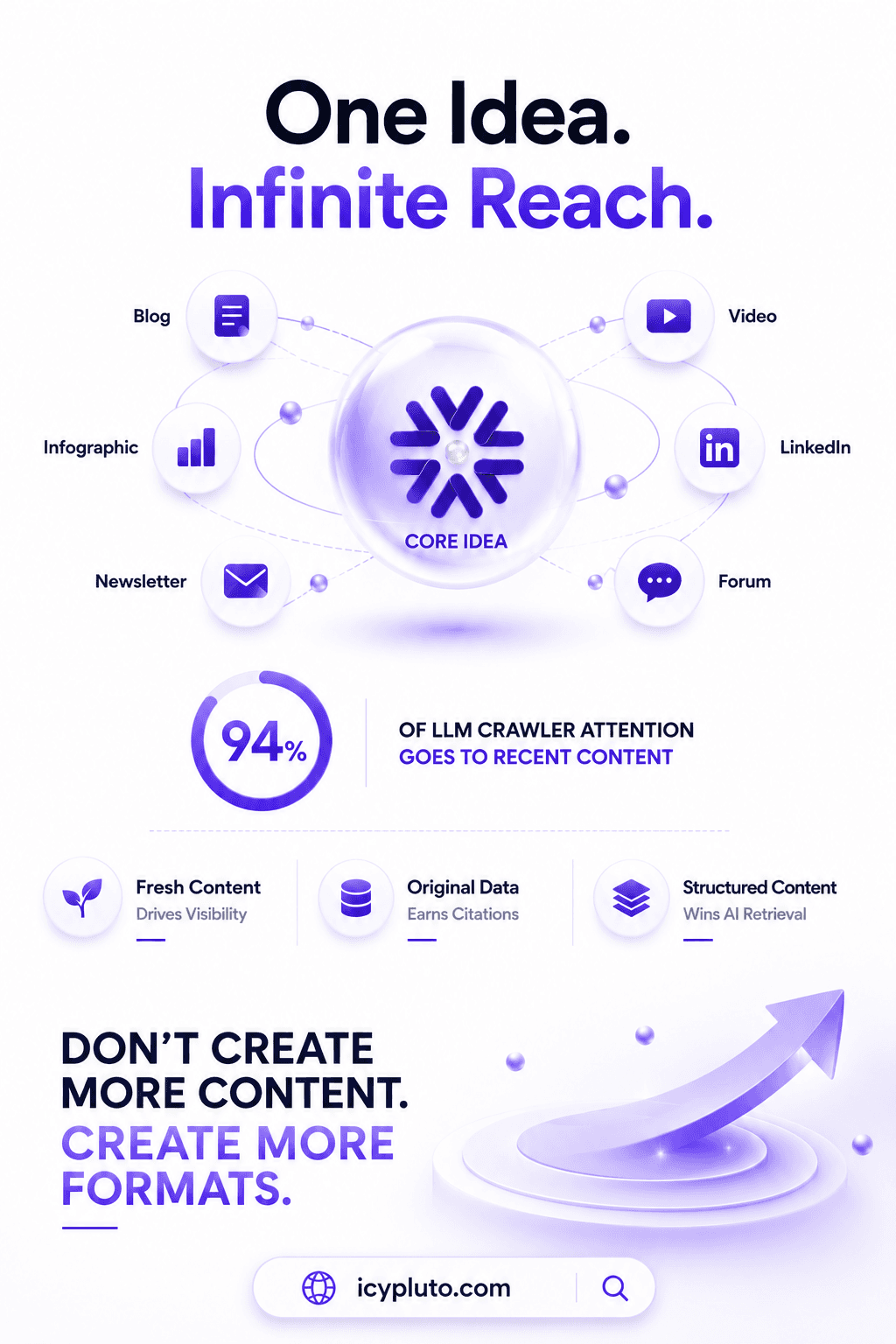
This blog reveals how to maximize visibility in tr...
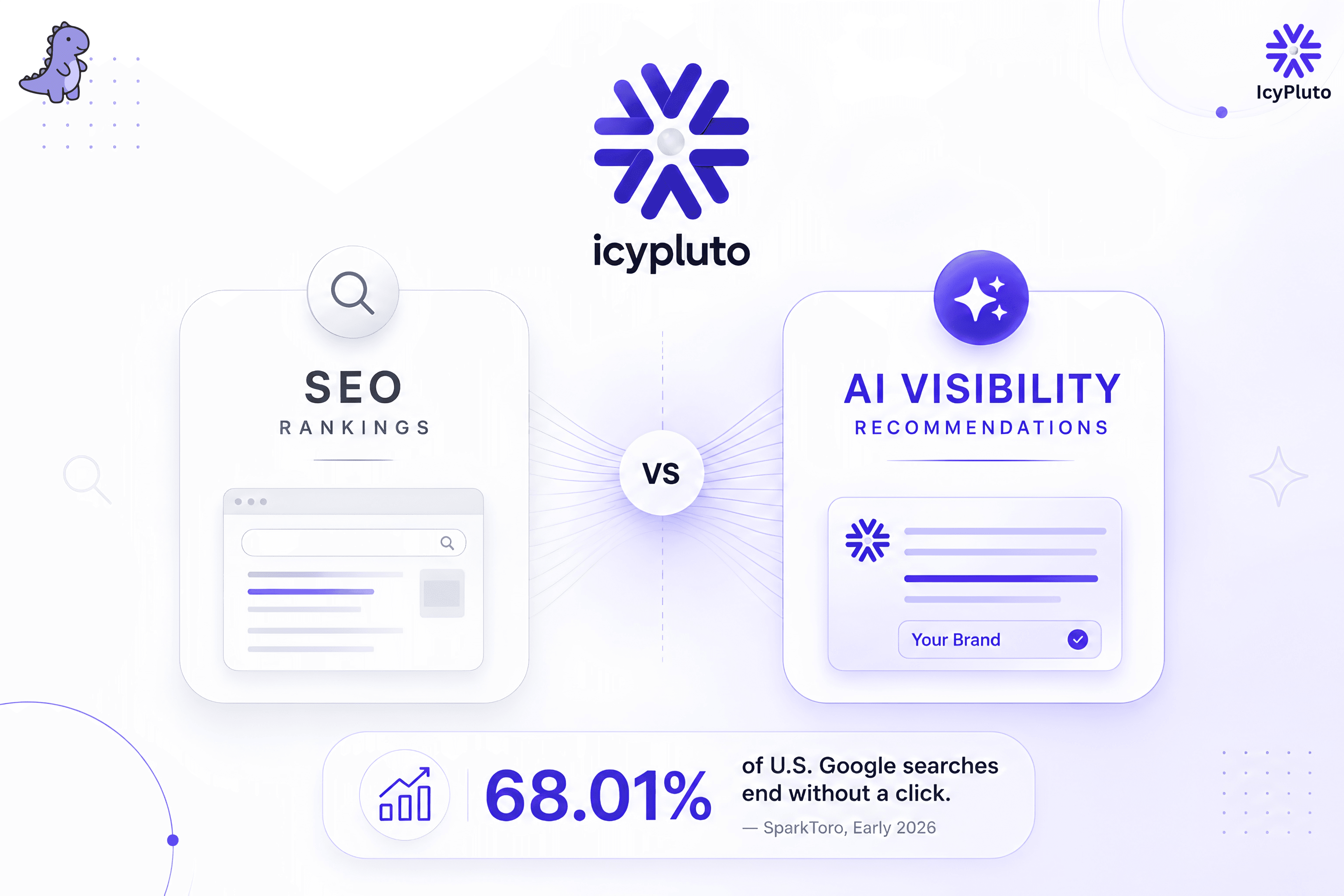
AI search is changing how brands get discovered, a...
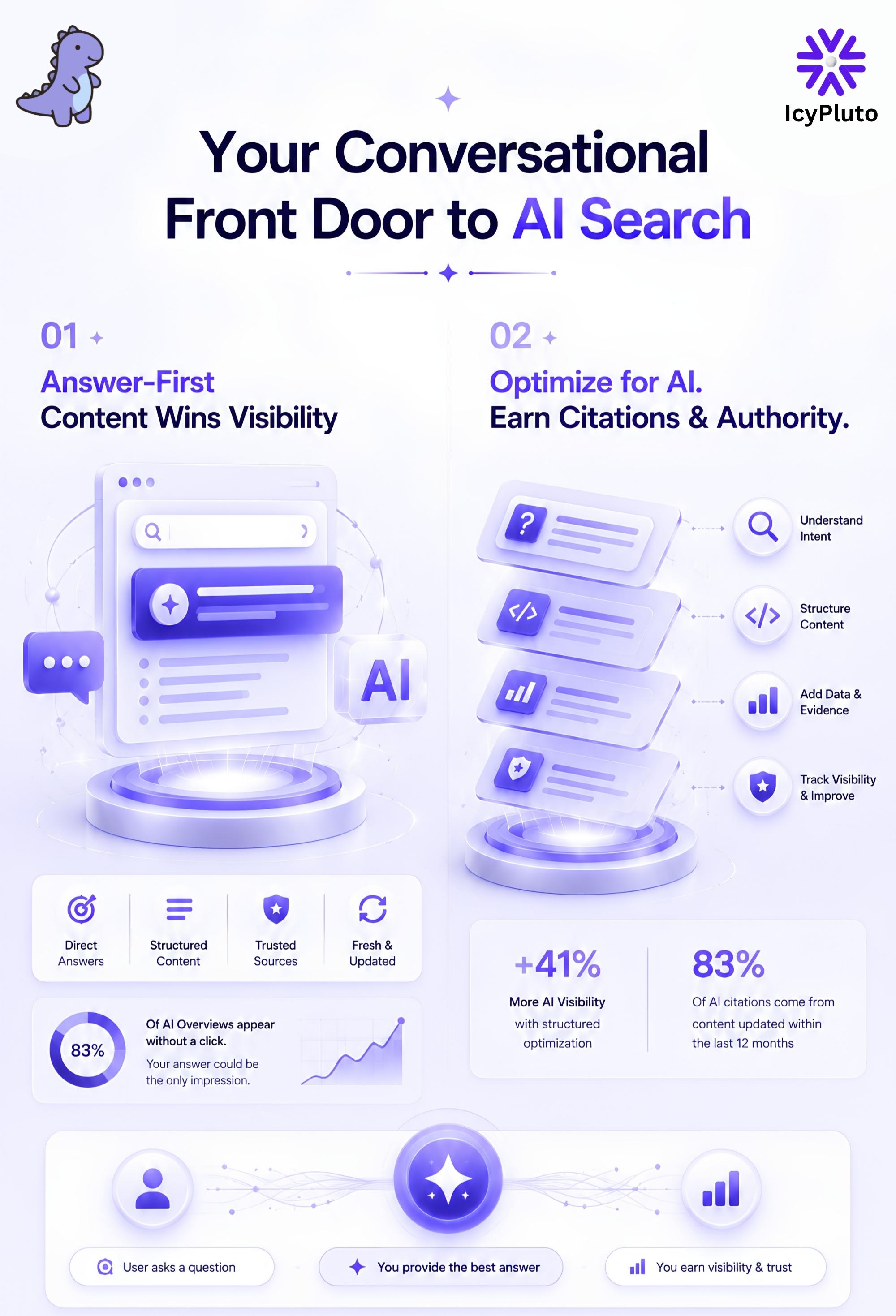
The way people search is changing fast, and conten...
The conversation around AI-powered search has been loud and confident over the past year. Everyone seems to have strong opinions about what it takes to get noticed. Yet when you look at actual data, a much quieter and more concerning reality emerges.
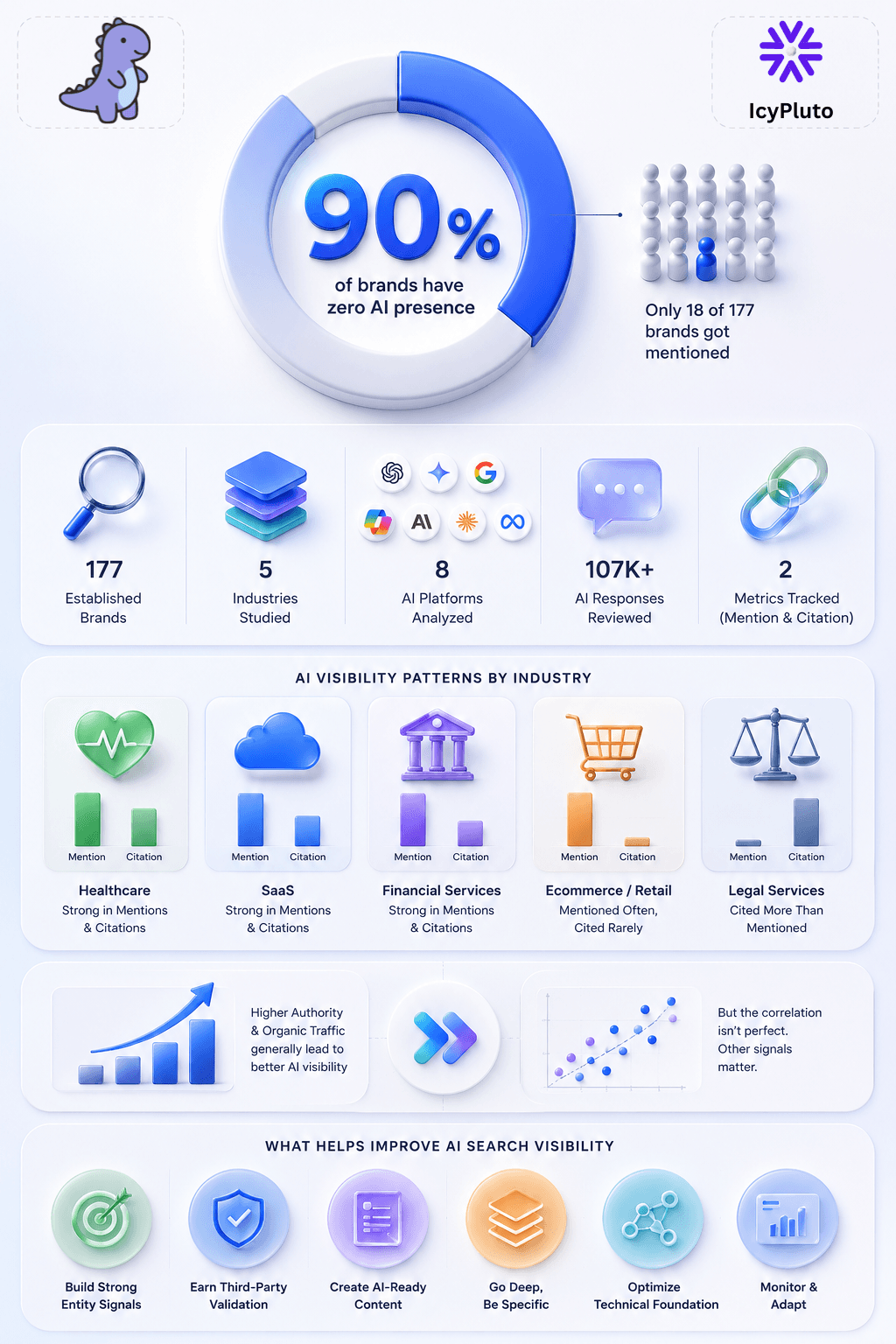
A major new study reveals that the vast majority of brands are still completely missing from AI search results. In fact, nearly 90% of them have zero mentions across major AI platforms. This isn’t a small blind spot — it’s a massive visibility gap that could reshape competitive advantages in the coming years.
At Icypluto, we believe understanding these early patterns is critical for any business serious about its digital future. Today, we’re diving deep into what this data really means and how forward-thinking brands can position themselves to win in the age of AI search.
Researchers analyzed 177 established brands across five major industries: healthcare, SaaS, financial services, ecommerce/retail, and legal services. For each brand, they examined performance during the first quarter of 2026.
What made this research particularly valuable was its comprehensive approach. They tested vertical-specific search prompts across eight leading AI platforms — ChatGPT, Perplexity, Gemini, Google AI Overview, Google AI Mode, Microsoft Copilot, Claude, and Meta AI. In total, they reviewed over 107,000 AI-generated responses.
For every response, they tracked two separate metrics:
Mention Rate: Whether the brand name appeared in the AI’s answer
Citation Rate: Whether the brand’s own website was linked as a source
They then cross-referenced this AI visibility data with traditional organic performance metrics, including domain authority and traffic trends.
The results were eye-opening.
Out of the 177 brands studied, only 18 showed any meaningful AI mention rate above zero. That means 89.8% of brands were essentially invisible in AI search during this period.
This statistic challenges much of the current industry narrative. While many assume AI visibility is already a crowded battlefield, the data suggests the race has barely begun for most companies.
This creates a rare window of opportunity. Brands that act decisively now can establish strong positions before their competitors even realize the game has changed.
When researchers broke down the data by vertical, three distinct patterns emerged. These differences reveal how AI platforms evaluate expertise, trust, and relevance across different sectors.
Healthcare, SaaS, and Financial Services: Strong in Both Mentions and Citations
These three industries performed best overall. Brands here were frequently both mentioned and cited.
Healthcare brands benefit from clear entity signals — doctor names, hospital locations, specialties, and affiliations — that AI systems recognize as markers of authority. SaaS companies gain visibility through third-party review platforms like G2, Capterra, Reddit, and LinkedIn discussions. Financial services brands often appear due to strong editorial coverage from trusted outlets like Bankrate, NerdWallet, and MarketWatch.
Ecommerce & Retail: Mentioned Often, Cited Rarely
Ecommerce brands showed the widest gap between mentions and citations. AI platforms recognize these consumer-facing brands easily, but they tend to pull supporting information from marketplaces (Amazon, Walmart), review aggregators, and social platforms rather than the brand’s own website.
This pattern highlights a key challenge for online retailers: building direct, citable content that AI systems prefer over third-party sources.
Legal Services: Cited More Than Mentioned
Legal brands showed the opposite pattern. AI platforms frequently used content from law firm websites as sources but rarely named the specific firms themselves. This suggests an opportunity for law firms to strengthen their entity signals and brand recognition in AI responses.
One of the most important questions the study addressed was whether strong traditional SEO performance translates to AI search success.
The data showed a positive but imperfect correlation. Brands with higher Authority Scores and stronger organic traffic generally performed better in AI visibility. However, the relationship wasn’t automatic. Some brands with solid traditional rankings still had zero AI presence, while a few with moderate metrics performed surprisingly well in AI results.
This suggests that while domain authority helps, AI platforms use additional signals — structured data, entity recognition, third-party validation, and content depth — that traditional SEO doesn’t fully capture.
Data Snapshot (Q1 2026):
Average AI Mention Rate across all brands: Very low (under 5% for most)
Highest performing vertical: Financial Services (strongest citation rates)
Lowest performing vertical: Legal Services (weakest mention rates)
Several factors explain why so many brands are missing from AI search:
Weak Entity Signals — AI systems struggle to clearly identify and connect the brand across different contexts.
Lack of Authoritative Third-Party Validation — Mentions on trusted external platforms significantly boost visibility.
Content Not Optimized for AI Consumption — Much existing content is written for humans but not structured in ways AI can easily parse and trust.
Insufficient Depth and Specificity — Generic content gets overlooked in favor of highly specialized, authoritative sources.
The good news is that this visibility gap is closable. Here are actionable approaches brands can implement:
Build Stronger Entity Authority
Focus on clearly establishing who you are, what you do, and why you’re credible. This includes consistent NAP (Name, Address, Phone) information, author bios, structured data markup, and knowledge panel optimization.
Create Citable Content
Develop in-depth, original content that AI platforms find valuable enough to cite directly. This includes original research, detailed guides, case studies, and data-backed insights.
Earn Strategic Third-Party Mentions
Actively pursue coverage on review sites, industry publications, forums, and social platforms where your audience and AI systems spend time.
Optimize Technical Foundations
Ensure your website uses clear schema markup, fast loading speeds, mobile optimization, and accessible content structures.
At Icypluto, this study reinforces what we’ve been observing with our clients. The shift to AI search isn’t just another algorithm update — it’s a fundamental change in how information is discovered and consumed.
We’re advising our partners to treat AI visibility as a core marketing priority rather than a secondary SEO tactic. The brands that establish strong positions now will enjoy compounding advantages as personalization and agentic AI features become more sophisticated.
We believe the winners won’t necessarily be the biggest brands, but the ones that move fastest to build authentic authority and helpful, structured content.
As AI search continues to evolve, we expect visibility gaps to narrow — but early movers will maintain significant advantages. The study highlights that we’re still in the very early stages of this transformation.
Brands that treat this as an opportunity rather than a threat will be best positioned for long-term success. The data is clear: most companies have not yet begun competing seriously for AI visibility. Those who start now can shape the narrative in their industry.
The future of search belongs to brands that are not just visible to humans, but clearly recognizable and trustworthy to AI systems as well.
By focusing on genuine expertise, structured information, and authoritative signals, businesses can build visibility that serves both today’s traditional search and tomorrow’s AI-powered experiences.