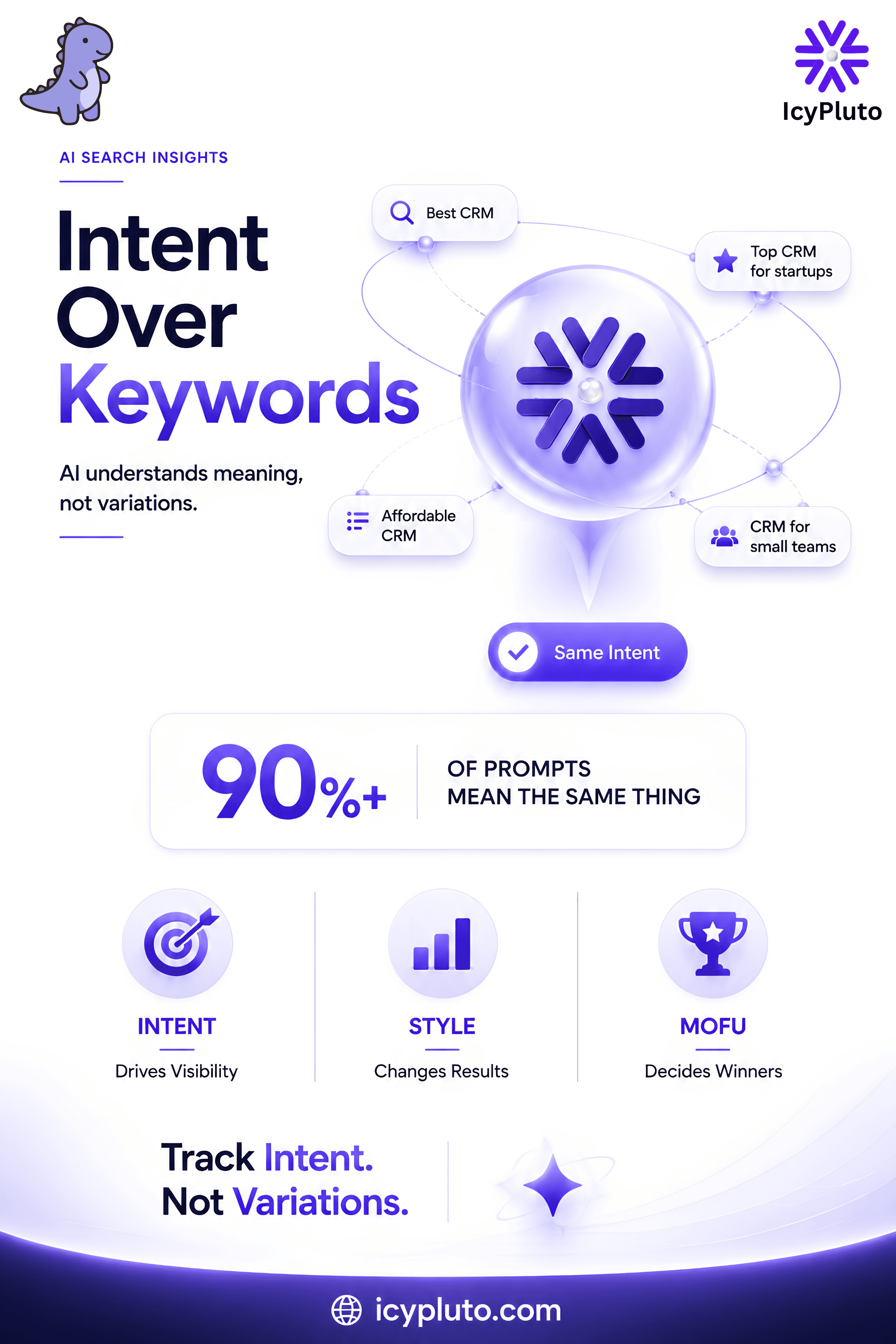
This blog reveals what a massive 37,804 AI respons...
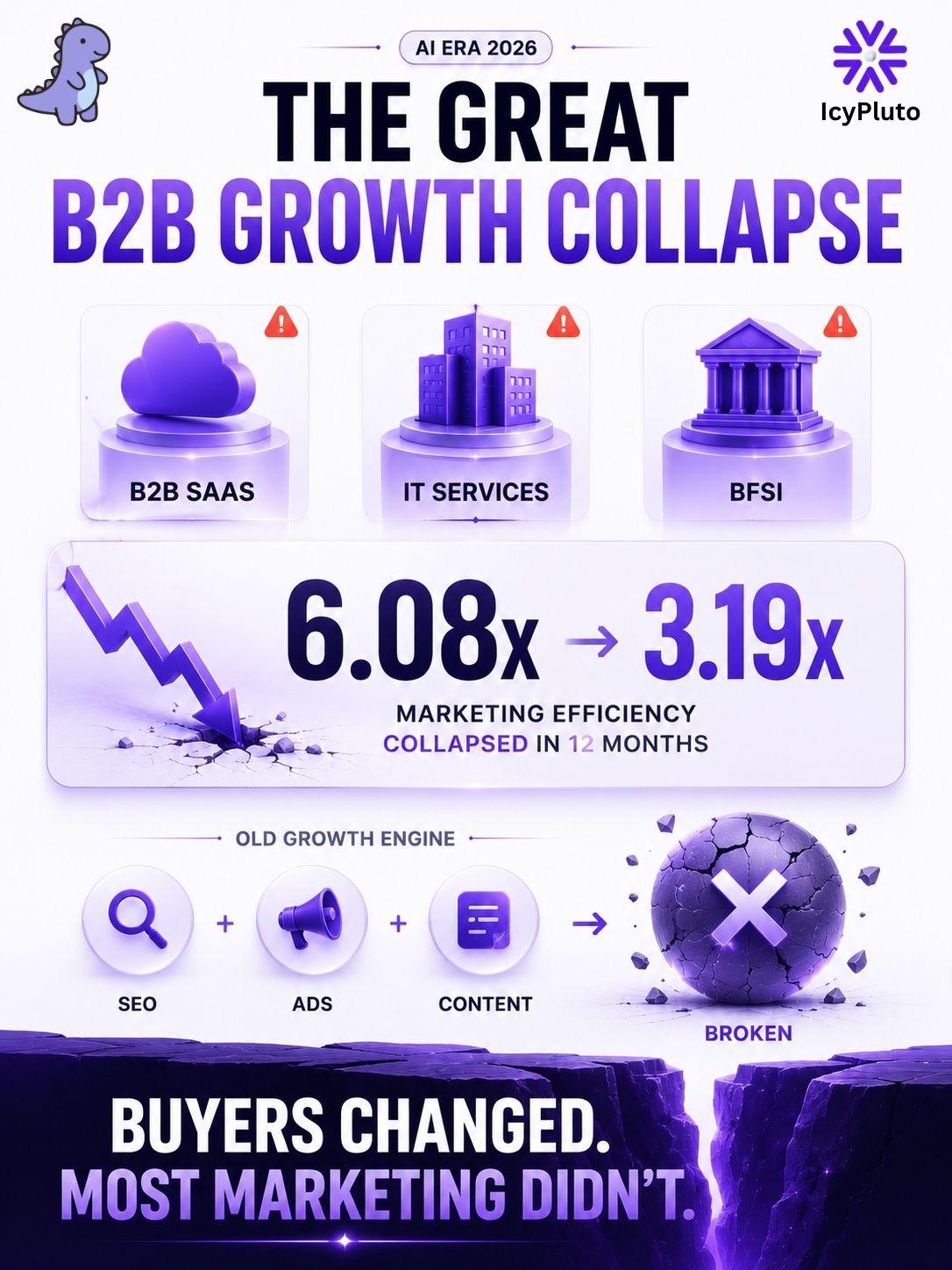
This hard-hitting blog reveals why IT, B2B SaaS, a...
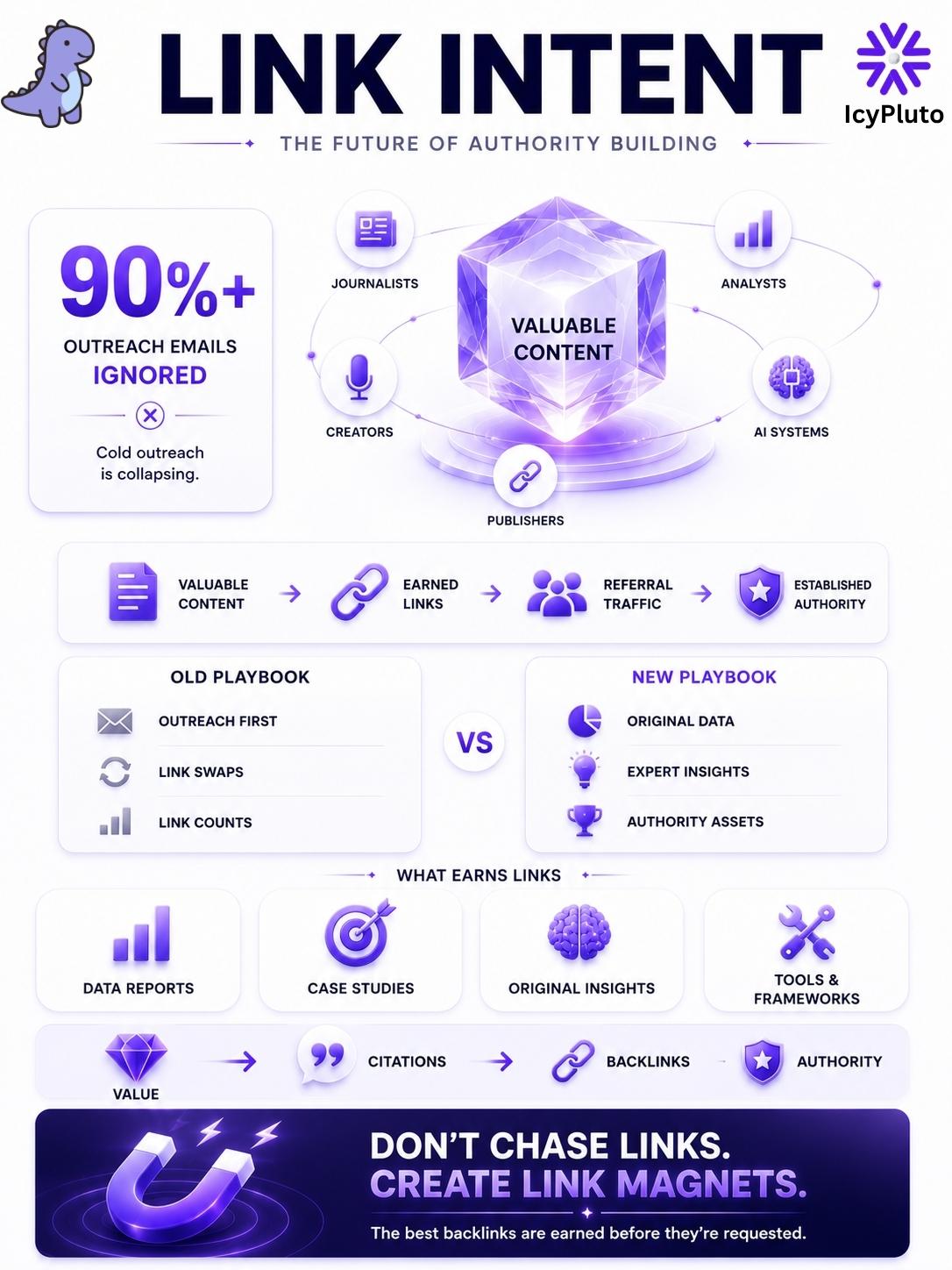
This blog explains how IcyPluto uses link intent—a...
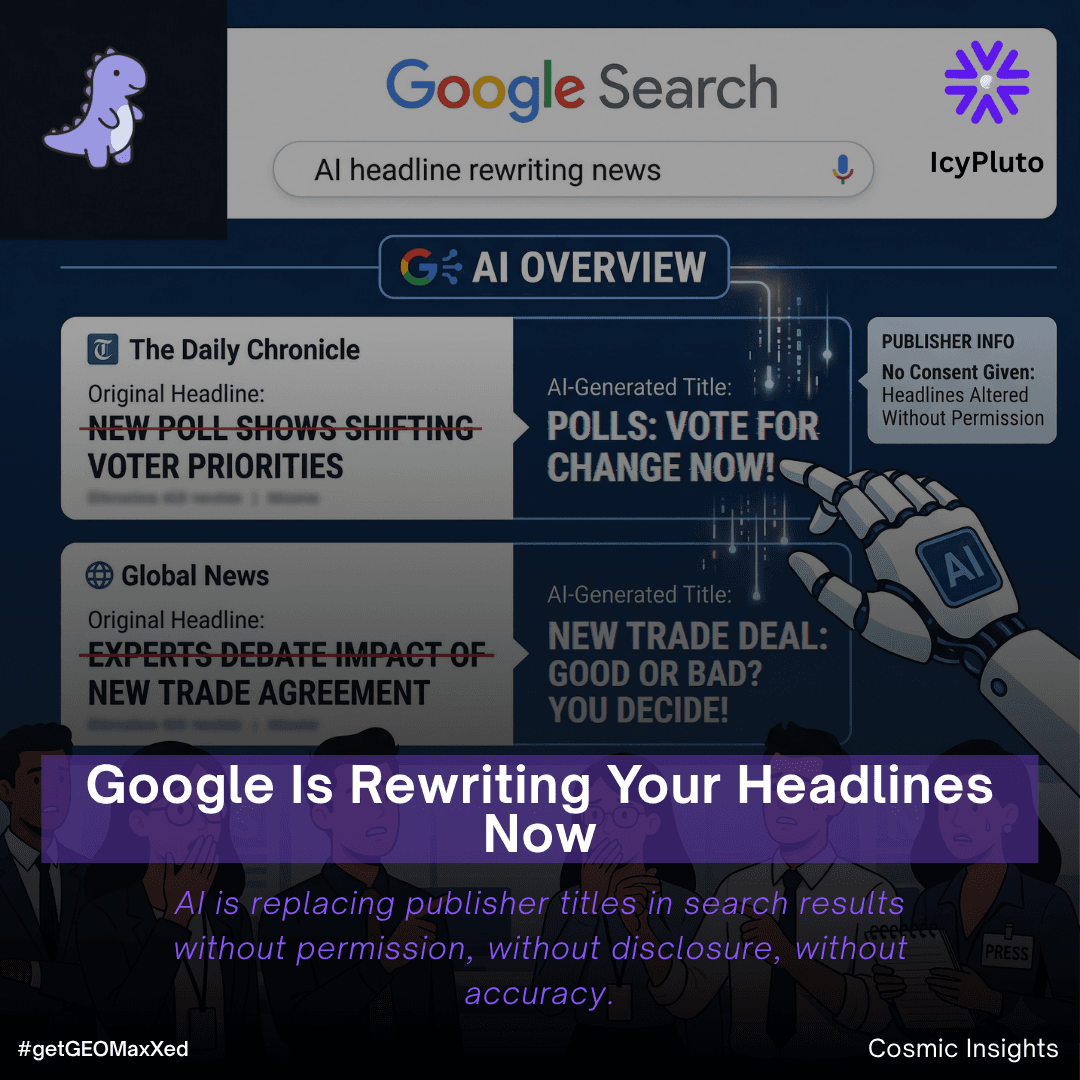
Search as we've known it is quietly being dismantled one headline at a time. Google has begun deploying artificial intelligence to replace publisher-written headlines in its core search results with AI-generated alternatives, and the fallout is already making waves across the digital publishing world. What started as a limited experiment on Google Discover has now crept into the traditional "10 blue links" format that has defined web search for over two decades.
For content creators, digital marketers, and SEO professionals, this isn't just a minor tweak to the algorithm. It's a fundamental shift in how content is presented, discovered, and consumed one that raises urgent questions about editorial integrity, brand representation, and the future of organic search. At IcyPluto, where we track the intersection of AI innovation and real-world impact, this development demands a clear-eyed, in-depth look.
The story of Google's AI headline experiment didn't start overnight. The earliest documented instances surfaced in Google Discover the content feed embedded in Android home screens and within the Google app back in December 2025. At that point, the AI was condensing publisher headlines into ultra-short, four-word versions, with nine distinct variations observed across multiple publications.
What made this stage alarming wasn't just the brevity it was the inaccuracy. One notable example involved an article about a game mechanic in the popular RPG Baldur's Gate 3. The AI-generated headline stripped all nuance from the story and replaced it with language that implied something far more sensational completely misrepresenting the original article's tone and subject matter. In another documented case, an analysis covering wireless charging performance on certain Android devices was retitled in a way that a major tech publication called "factually false."
Google, at the time, framed it as an experiment one that might not proceed to a full-scale rollout. But by March 2026, the experiment had expanded. AI-generated titles began appearing not just in Discover, but directly within traditional search results, overwriting the headlines that publishers, editors, and SEO teams had carefully crafted. This mirrors a pattern that observers have pointed out: Google previously called Discover's AI headlines an "experiment," only to announce roughly a month later that they had become a permanent feature due to "positive user satisfaction scores."
The cycle experiment, normalize, launch is becoming a familiar playbook.
The consequences of inaccurate headline rewrites aren't abstract they're immediate and measurable. When an AI strips a headline of its context and replaces it with something oversimplified or outright misleading, readers make decisions based on false premises. They click expecting one thing and find another. They share headlines that misrepresent the source. And in a news ecosystem already struggling with misinformation, this adds a new layer of complexity that humans didn't introduce machines did.
Consider what Apple had to deal with when its own AI summary feature began generating false and misleading headlines for news notifications. The backlash was swift and public, and Apple had to pull back the feature. Google now appears to be walking down a similar path, but at a scale that dwarfs a smartphone notification feed.
One documented rewrite condensed a nuanced article with the headline "I used the 'cheat' AI and it didn't help cheat on anything" into just two words: "Cheat everything" making it sound like the publication was endorsing a product it had explicitly criticized. That kind of misrepresentation, attributed to the original publisher without their knowledge or consent, is a serious editorial and reputational problem.
For publishers, a headline isn't just metadata. It's the front door to an article. It encapsulates tone, editorial judgment, journalistic voice, and critically SEO intent. Skilled editors and content strategists spend considerable effort crafting headlines that balance search visibility with human readability and brand identity.
When Google's AI replaces those headlines with machine-generated alternatives in search results, it erases that effort. And because most users never realize the headline has been changed there's no prominent disclosure, no asterisk, no "edited by AI" warning visible at a glance the publisher's brand carries the consequences of something they didn't write.
Digital marketing teams are already raising flags. If an AI-generated headline misrepresents a sponsored piece, a product review, or a brand partnership article, the damage can extend beyond reputation and into direct commercial harm.
Google has addressed the test through official channels, though the language has been carefully managed. According to statements provided by Google representatives, the broad goal of the experiment is to surface content that serves as a "useful and relevant title to a user's query." The company says the aim is to "better align titles with user inquiries and enhance engagement with web content."
Interestingly, Google confirmed that the current test does use generative AI. However, in the same breath, representatives suggested that if the experiment were ever officially launched as a product feature, it would not rely on generative AI to create headlines — though no alternative mechanism was explained. This leaves a significant gap between what's being tested and what Google is willing to commit to publicly.
Google's go-to framing for this test has been familiar: it's one of "tens of thousands of traffic experiments" the company runs to evaluate potential improvements to its search engine. In isolation, that argument holds some water Google constantly runs tests, most of which never see the light of day.
But context matters. When the same "experiment" framing was used for AI headlines in Google Discover, a feature rollout followed within weeks. The pattern suggests that Google is not simply testing for internal learning purposes it's acclimating users and publishers to something it intends to scale.
Furthermore, Google did not address one of the most pressing questions from publishers: why it is no longer honoring the search-specific headlines that news organizations have been painstakingly configuring within their content management systems including WordPress for years. SEO professionals have long used CMS tools to create separate, search-optimized titles distinct from the on-page headline. Google is now overriding even those.
From a pure SEO standpoint, this development introduces a layer of unpredictability that marketers haven't had to account for before. Historically, the SEO process involved crafting a headline with target keywords, optimizing meta tags, and trusting that what you published would appear in search results as intended. That assumption no longer holds.
If Google's AI rewrites your headline and removes the exact keyword you were targeting, your SERP performance for that keyword could take a significant hit — not because your content is poor, but because your headline no longer reflects the query. For businesses investing in content marketing, paid placements, and organic search, this is a material risk that needs to be factored into strategy.
At IcyPluto, we see this as a critical reminder that the future of search is being shaped by AI and that staying ahead means understanding not just how to create content, but how AI systems interpret and repackage that content before it ever reaches a reader.
There's a broader strategic concern that goes beyond individual headlines. With every new AI feature from AI Overviews to AI-generated summaries to now AI-rewritten headlines Google is building a more self-contained ecosystem. Users are increasingly served information inside Google's interface rather than being directed to the publisher's website.
Each layer of AI curation reduces the likelihood that a user will click through to the original source. AI Overviews answer questions without requiring a click. AI summaries condense articles within the feed. And now AI-generated headlines detach the user's expectation from the actual article they'll find if they do click. The cumulative effect is a search experience that benefits Google's engagement metrics while steadily eroding referral traffic for publishers.
For brands and content teams relying on organic search as a key traffic channel, this is not a distant concern it's an active shift happening right now.
While you cannot prevent Google from testing its AI on your content, you can take proactive steps to minimize the impact and stay informed:
Write for clarity over cleverness. The more straightforward and query-aligned your headline is, the less room Google's AI has to "improve" it. Headlines that closely mirror user search intent are less likely to be rewritten.
Use structured data and schema markup. Properly implemented schema signals to Google exactly what your page is about, giving its algorithms less ambiguity to work with when generating alternatives.
Monitor your search impressions. Use Google Search Console to track whether your published headlines are being displayed as intended. Any discrepancy between your title tag and what appears in search results could signal AI intervention.
Audit your WordPress SEO settings. Make sure your on-page title, search headline, and meta title are all consistent and keyword-aligned. Conflicting signals give the algorithm more room to substitute its own version.
Stay updated on Google's experiment rollouts. AI features that begin as "tests" are increasingly becoming default behavior. Marketers who track these shifts early can adapt before they impact rankings.
For AI-native platforms like IcyPluto built around the premise that AI is the engine of the modern marketing world — Google's headline experiment represents both a challenge and a signal. It's a challenge because it introduces new unpredictability into content distribution. But it's a signal because it confirms what IcyPluto has been built on: AI is no longer a tool that marketers optionally use — it's now a force that actively shapes how marketing content is seen, read, and acted upon.
The brands and content teams that will thrive in this environment are those who understand AI deeply enough to anticipate its behavior, structure their content to work with it rather than against it, and maintain the editorial standards that AI still struggles to replicate. Human voice, authentic storytelling, and precise editorial judgment remain competitive advantages that no algorithm has fully mastered.
Google's experiment is, in many ways, proof of that. Every headline it gets wrong is a reminder that content with real human expertise, tone, and intent is still the gold standard and the standard that audiences, even algorithmic ones, are ultimately trying to reach.
The trajectory of this experiment points toward one likely outcome: broader rollout. Google's historical behavior with AI features — test quietly, measure engagement, declare success, expand suggests that AI-generated headlines in core search are not going away. If internal metrics show that users click on AI-generated headlines at higher rates (which they might, given their brevity and keyword density), Google will have the data it needs to justify a permanent feature.
The publishing industry will need to respond, not unlike how it responded to the rise of social media algorithms that deprioritized link clicks in favor of native content. Adaptation will require a mix of technical SEO discipline, advocacy for clearer AI disclosure standards, and a renewed investment in the kind of original, authoritative content that algorithms surface regardless of how the headline is packaged.
At IcyPluto, this is exactly the kind of AI-driven transformation we exist to decode because in the age of the AI CMO, understanding how artificial intelligence is reshaping visibility, discovery, and trust isn't optional. It's the entire game.