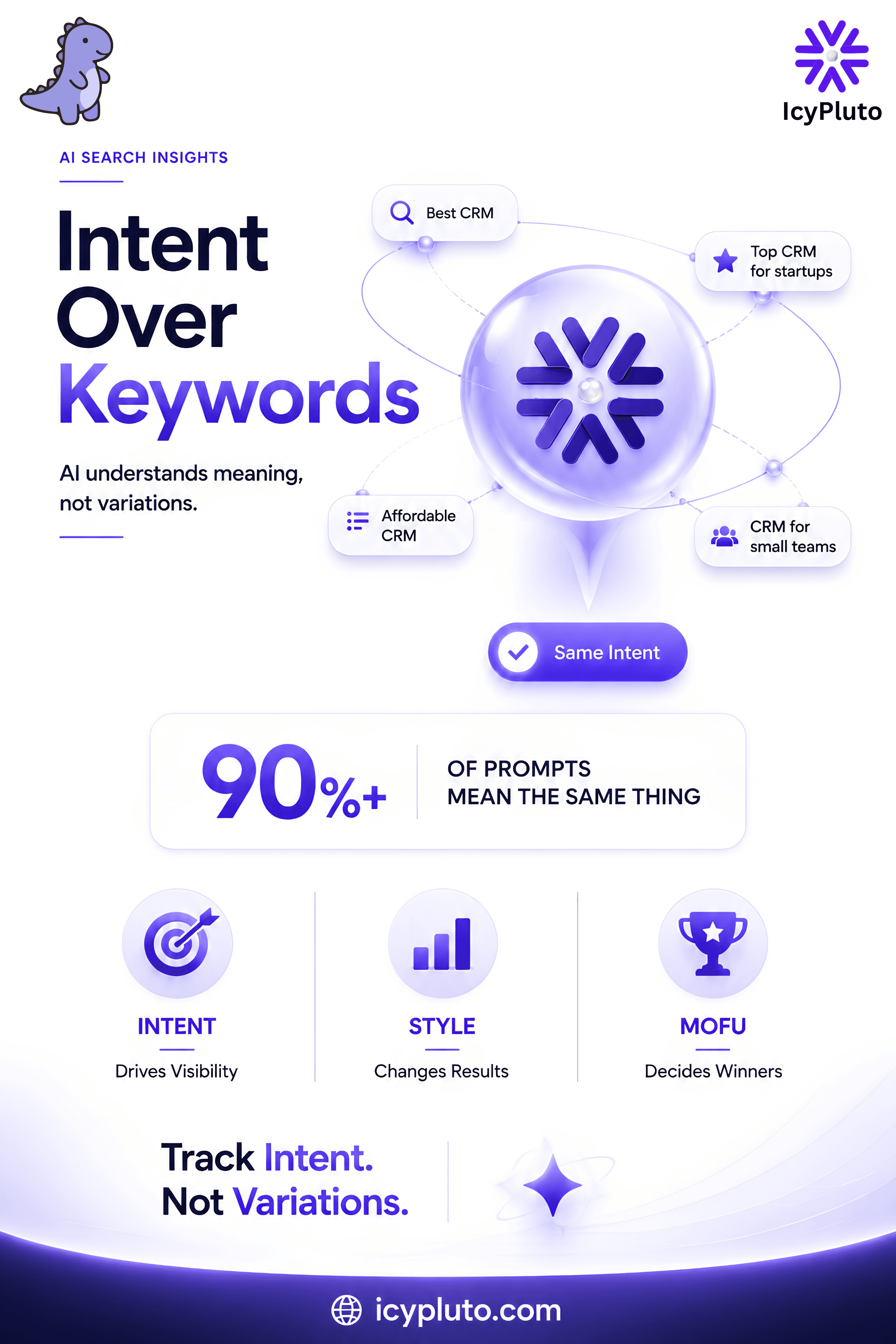
This blog reveals what a massive 37,804 AI respons...
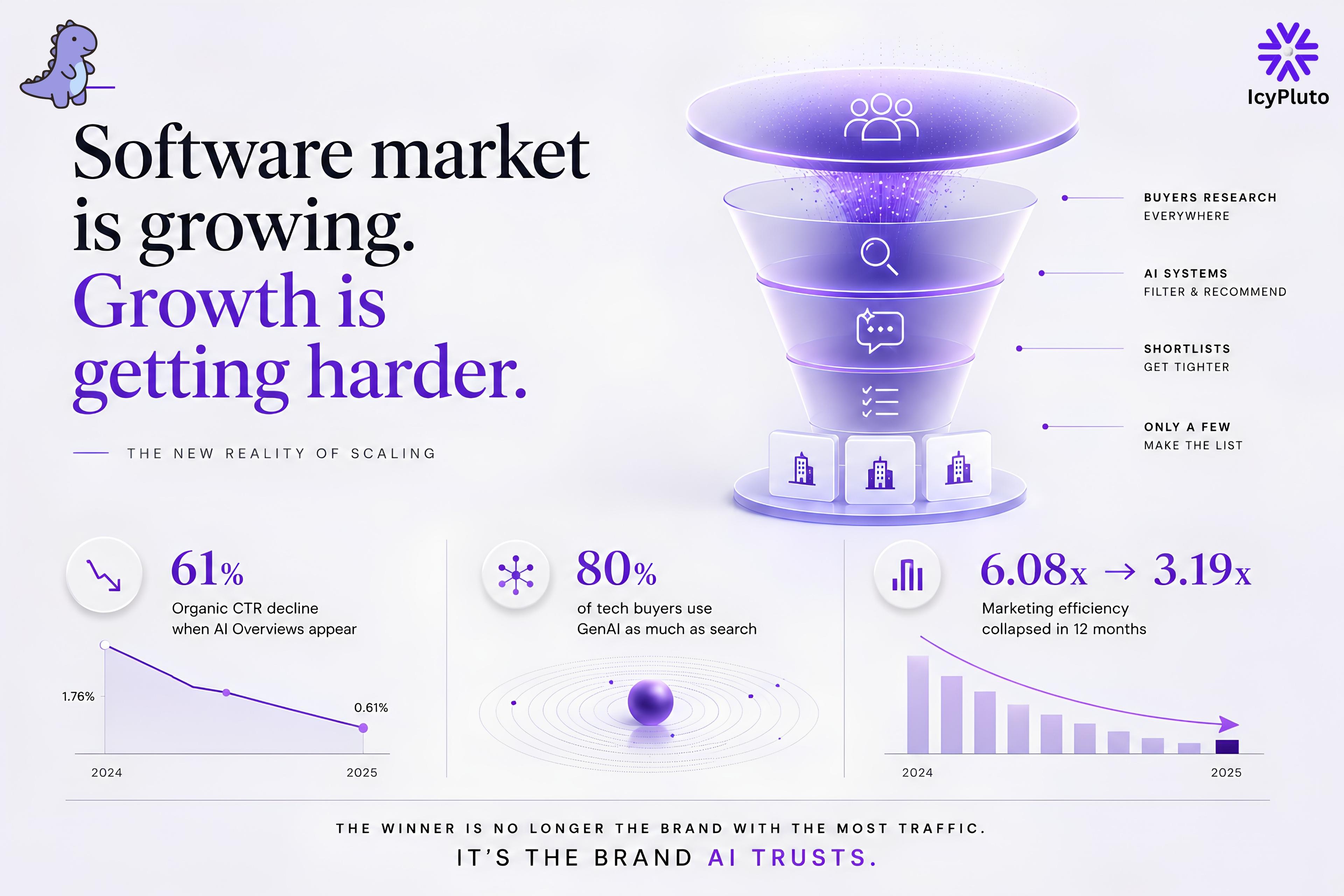
This blog explains how the old growth playbook is ...
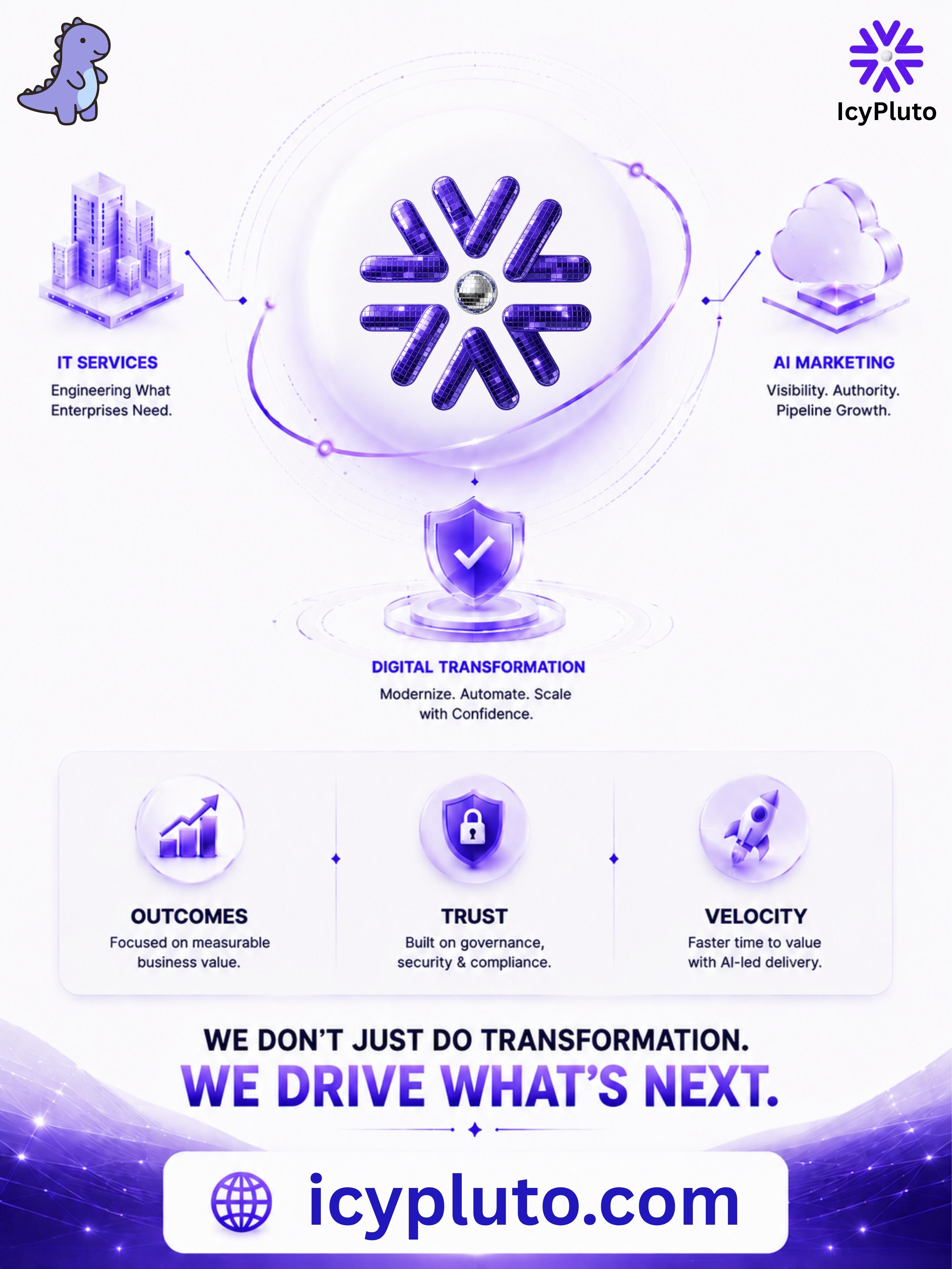
This blog explores how the IT industry is being re...
But the way trust is formed is changing.
Before choosing a digital banking platform, investment app, credit card, insurance provider, lending platform, or payment gateway, customers are increasingly turning to AI-powered platforms like ChatGPT, Gemini, Claude, and Perplexity for answers.
They are asking:
“Best investment apps for beginners”
“Safest digital banks in India”
“Top business loan providers for startups”
“Best payment gateway for e-commerce”
“Zerodha vs Groww comparison”
“Is XYZ lending app safe?”
These are high-intent, decision-stage queries.
And AI doesn’t show ten links. It summarises, compares, and recommends a few brands.
That shift from search engine optimisation (SEO) to generative engine optimisation (GEO) is redefining how FinTech and BFSI brands acquire customers.
For years, financial services marketing focused on:
Ranking for financial keywords
Publishing long-form educational blogs
Optimising landing pages for “best credit cards” or “home loan interest rates”
Running paid acquisition campaigns
Traditional SEO for FinTech focused on capturing organic traffic from search engines.
But AI-powered search changes the dynamic.
Instead of scanning multiple websites, users now receive:
A summarised comparison
Key pros and cons
Safety considerations
Fee breakdown explanations
Ideal customer recommendations
All inside one AI-generated response.
If your FinTech brand is not included in that response, your visibility for that query drops to zero, regardless of how well you rank on Google.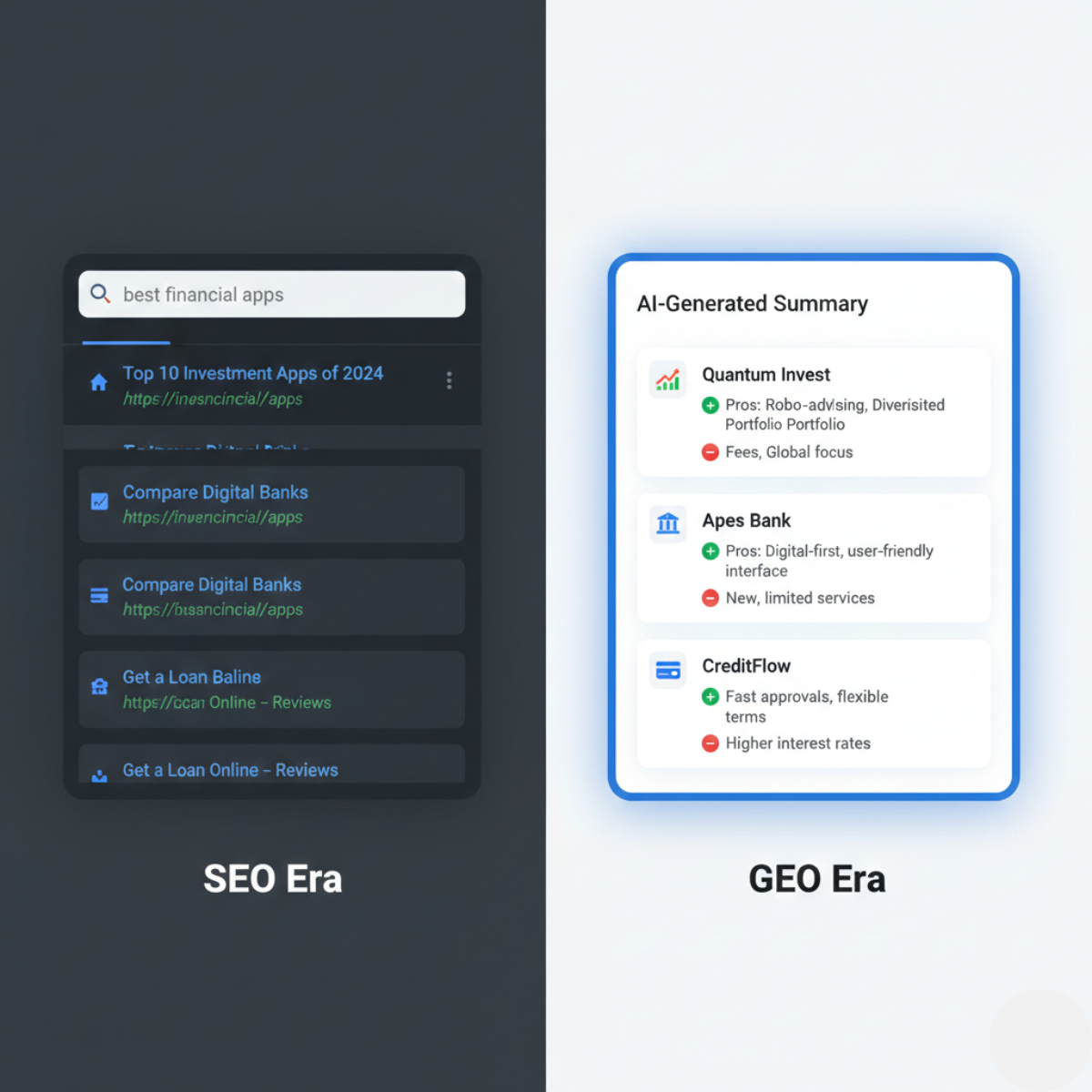
In banking and financial services, users are not just searching; they are validating.
They ask:
“Is this bank safe?”
“Which investment platform is SEBI-regulated?”
“Best low-risk investment options”
“Most secure payment gateway in India”
AI responses directly influence perceived credibility.
If your brand is clearly associated with:
Regulatory compliance (RBI, SEBI, IRDAI, etc.)
Transparent pricing
Strong customer support
Low-risk positioning
You are more likely to be recommended in AI-generated financial advice.
If that trust framing is unclear, AI may default to competitors.
FinTech and BFSI markets are highly competitive.
Users frequently compare:
Digital banks
Credit cards
Loan providers
Insurance plans
Investment apps
Queries like:
“Razorpay vs Stripe”
“Zerodha vs Upstox”
“Best term insurance vs ULIP”
“Top alternatives to Groww”
AI simplifies these into structured summaries.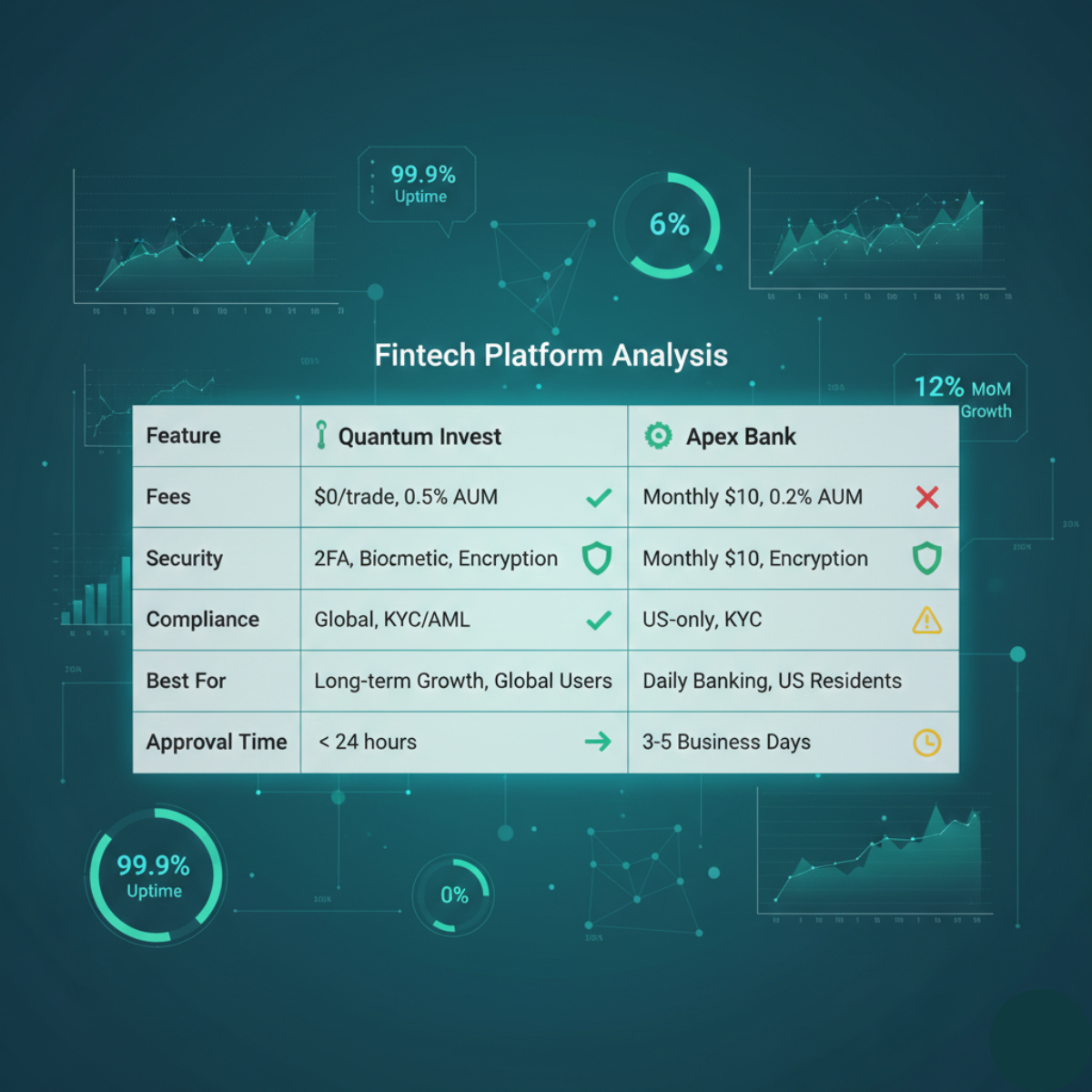
This is where GEO for FinTech becomes powerful.
If AI consistently positions your competitor as:
More affordable
More secure
Better for beginners
Faster approval
You lose early-stage trust before a user even visits your website.
Financial marketing traditionally relied on:
Educational blogs
Financial calculators
Comparison landing pages
Now, AI handles the educational layer.
Users ask:
“How to save tax legally?”
“Best SIP plans for beginners”
“Low-interest business loans for MSMEs”
“How to choose the right credit card?”
If your brand is not structurally aligned with these advisory prompts, you miss high-intent entry points.
In FinTech and BFSI, advisory-style queries often sit closest to conversion.

Generative Engine Optimisation is not about gaming AI.
It is about ensuring AI systems clearly understand your:
Brand positioning
Regulatory credibility
Fee transparency
Ideal customer profile
Competitive differentiation
Here’s how financial brands can approach it.
Search your category across AI platforms:
“Best digital banking platforms”
“Top investment apps in India”
“Compare [your brand] vs [competitor]”
“Is [your brand] safe?”
Observe:
Are you mentioned?
How are you described?
Are compliance and trust signals visible?
Are competitors framed more strongly?
This gives you a baseline for your AI share of voice in financial services.
In BFSI, trust must be explicit and machine-readable.
Ensure your website clearly communicates:
AI models synthesise consistent patterns. The clearer your compliance and authority, the stronger your AI positioning.
Instead of generic financial blogs, create content aligned with:
“Best investment apps for beginners”
“Low-risk wealth management platforms”
“[Your brand] vs [competitor] comparison”
“Secure payment gateway for startups”
“Digital lending platform for MSMEs”
This improves visibility in high-intent financial queries.
In financial services, incorrect framing can damage trust.
Monitor how AI describes:
Fees
Risk levels
Security
Customer suitability
Regulatory standing
GEO ensures your brand positioning remains consistent across AI-generated financial advice.
In SaaS, AI recommendation impacts traffic and demos.
In FinTech & BFSI, it impacts:
Account openings
Loan applications
Insurance policy purchases
Investment inflows
Long-term customer lifetime value
Financial decisions are emotional, risk-sensitive, and credibility-driven.
If AI becomes the first research layer, then AI becomes the first trust filter.
SEO still drives traffic for financial keywords.
But GEO ensures your FinTech or BFSI brand is:
Recommended in AI comparisons
Visible in advisory prompts
Positioned as secure and compliant
Trusted before the first click
In modern financial services marketing, ranking is important.
But being recommended by AI, that too accurately and credibly, is becoming the real competitive advantage.