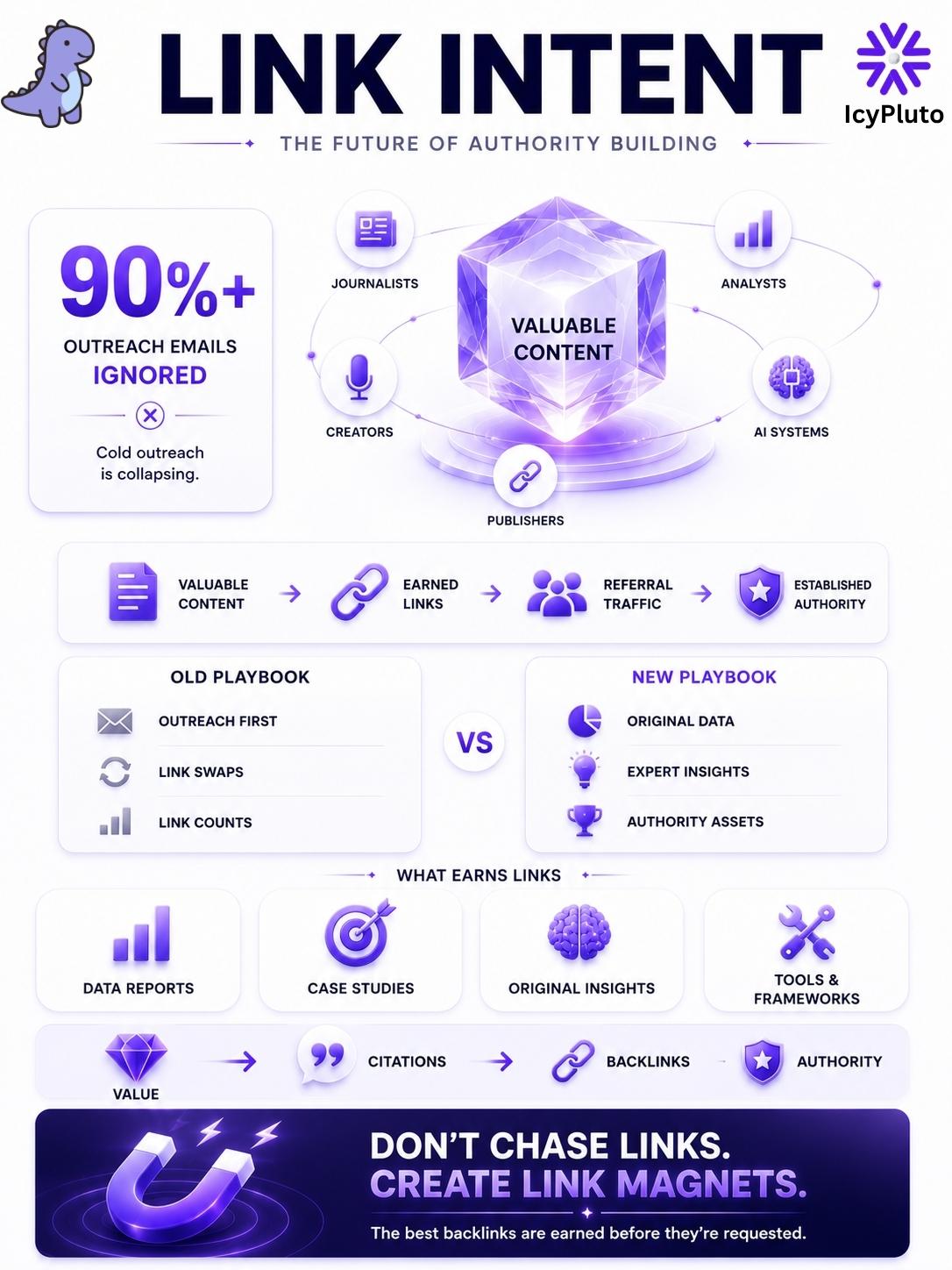
This blog explains how IcyPluto uses link intent—a...
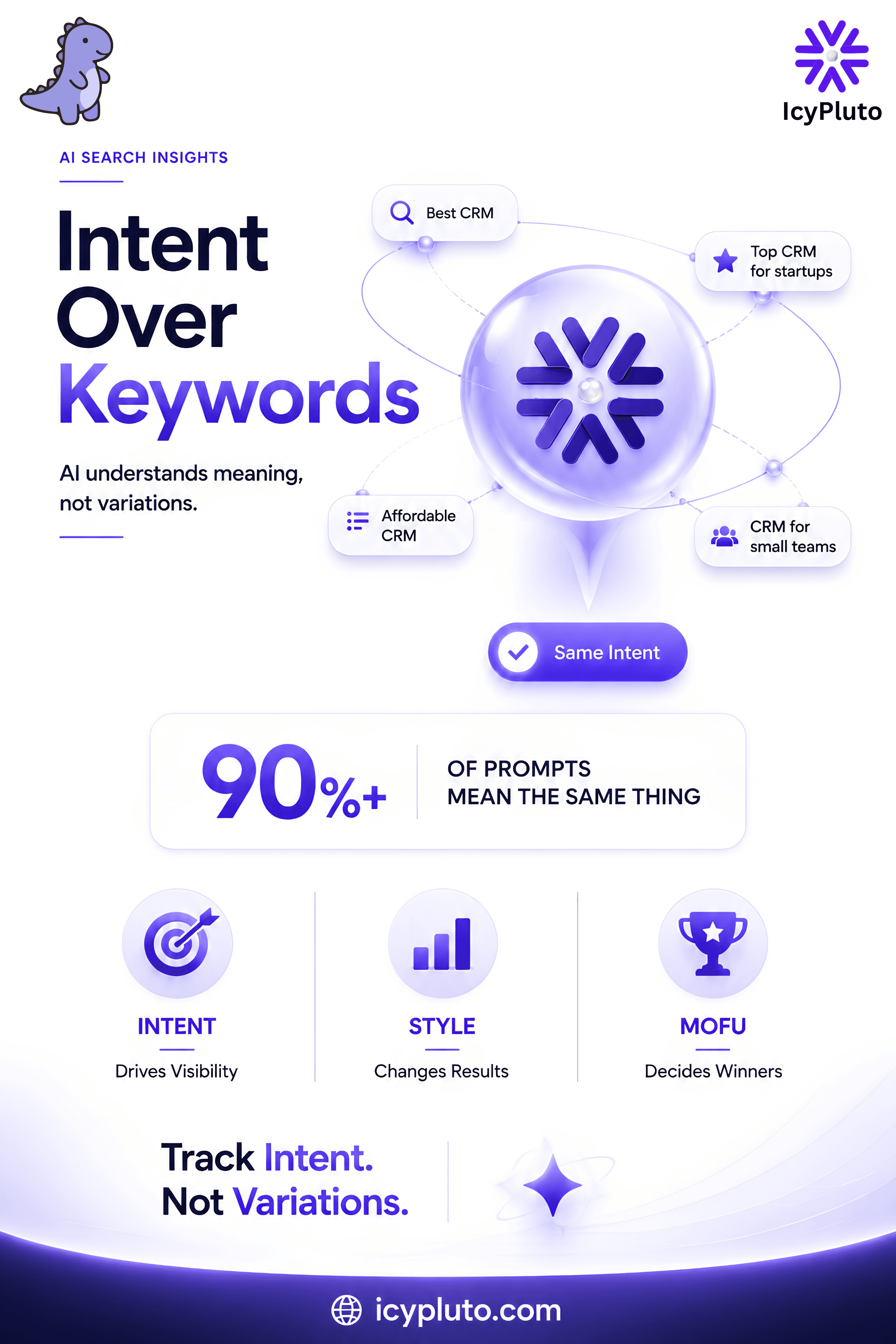
This blog reveals what a massive 37,804 AI respons...
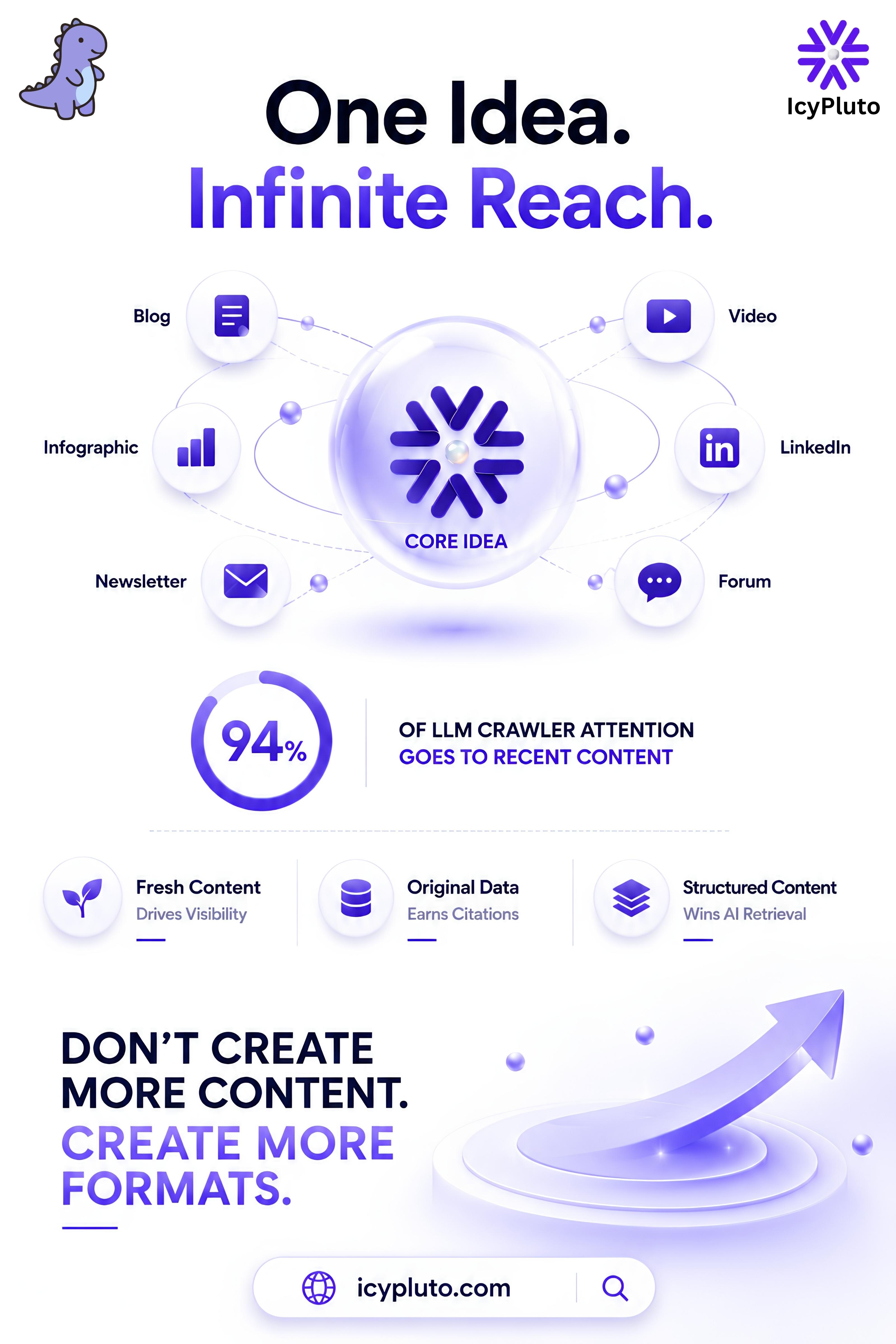
This blog reveals how to maximize visibility in tr...
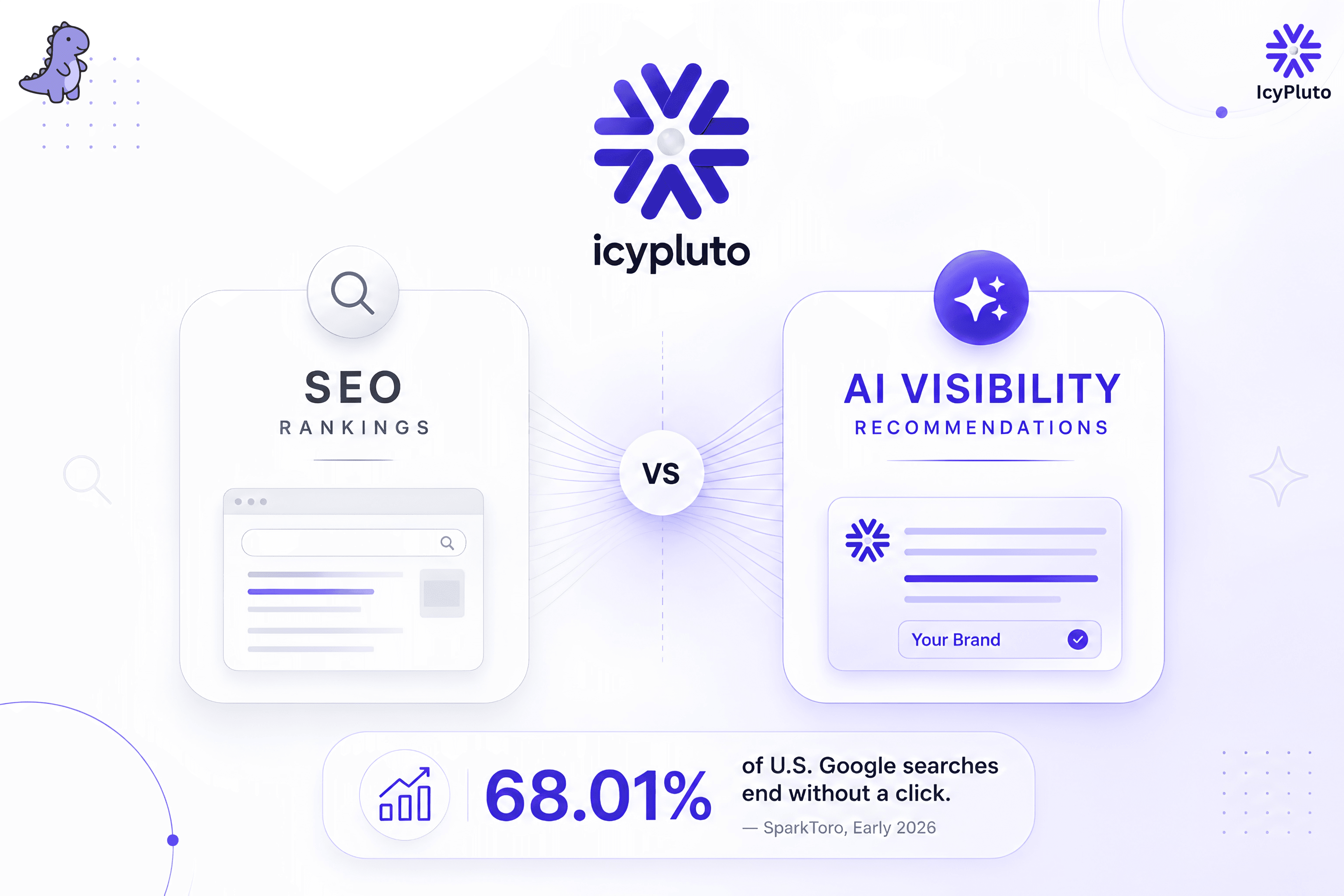
Search behavior is moving toward answer-first experiences, where users get summaries directly on the results page instead of clicking into websites. In early 2026, SparkToro reported that 68.01% of U.S. Google searches ended without a click, and Search Engine Land noted that AI Overviews can reduce click-through rates significantly on affected queries. That is why the conversation is no longer only about rankings, but also about whether a brand appears inside the answer itself.
Marketers are comparing tools because different platforms solve different problems. Some are strong at traditional SEO, others focus on content workflows, and a newer category focuses on AI visibility, Generative Engine Optimization, and Answer Engine Optimization. The rise of zero-click search strategy has made this distinction more important, especially for brands that want to be cited or recommended in AI-generated responses.[sparktoro]
This article helps you decide whether IcyPluto is the right AI visibility tool for your goals or whether a broader SEO platform fits better. It also explains where IcyPluto’s GEO optimization platform and AEO optimization platform approach stand out, and where more established SEO suites may still be stronger.
IcyPluto describes itself as an agentic AI for marketing, which means it is designed to do more than track data. Its own positioning says it helps brands understand how they show up across AI systems and what to do next to improve that presence. That makes it more strategy-led than a generic AI content optimization tool.
IcyPluto’s core value proposition centers on GEO, AEO, and AI visibility, which are the newer layers of search discovery beyond classic SEO. In practical terms, this means helping brands become visible in generative answers, not only in organic blue links. For teams that care about Generative Engine Optimization and Answer Engine Optimization, that focus is the main attraction.
IcyPluto says it tracks visibility across ChatGPT, Gemini, Claude, and 10+ AI models, which is a key difference from many SEO tools that focus mainly on Google and SERP metrics. That broader model coverage matters because AI discovery is fragmented across multiple interfaces and assistants. If your audience asks questions inside AI systems, platform coverage becomes part of your strategy.
IcyPluto appears best suited for SaaS brands, agencies, and in-house teams that want a specialized AI search workflow rather than a traditional SEO suite with a few AI features layered on top. It also fits teams that need visibility guidance for emerging AI search channels. If your priority is brand mentions inside AI answers, this category is more relevant than classic keyword-only tools.
Many AI marketing platforms focus on writing support, content briefs, or on-page optimization. They can speed up drafting and help teams scale production, but they often stay centered on keyword targeting and content output. That is useful for AI content optimization, but it is not the same as visibility inside AI answers.
Traditional SEO suites usually excel at keyword research, backlink analysis, technical audits, and rank tracking. Some of them now add AI-generated recommendations, but their foundation remains classic search optimization. In an AI marketing platform comparison, these tools often win on breadth, while newer visibility platforms win on the generative search layer.
Some platforms are built for reporting, workflow automation, or campaign operations rather than search visibility. They may help teams save time, centralize tasks, or generate summaries, but they do not always explain how a brand appears in AI responses. That leaves a gap for teams trying to build an AI search strategy rather than just automating content production.
Most platforms still stop short at keyword rankings, content scoring, or general automation. They may not show how often AI systems cite a brand, whether the brand is being summarized accurately, or how discoverable it is in answer engines. This is the gap IcyPluto tries to fill with a more specialized visibility-led workflow.
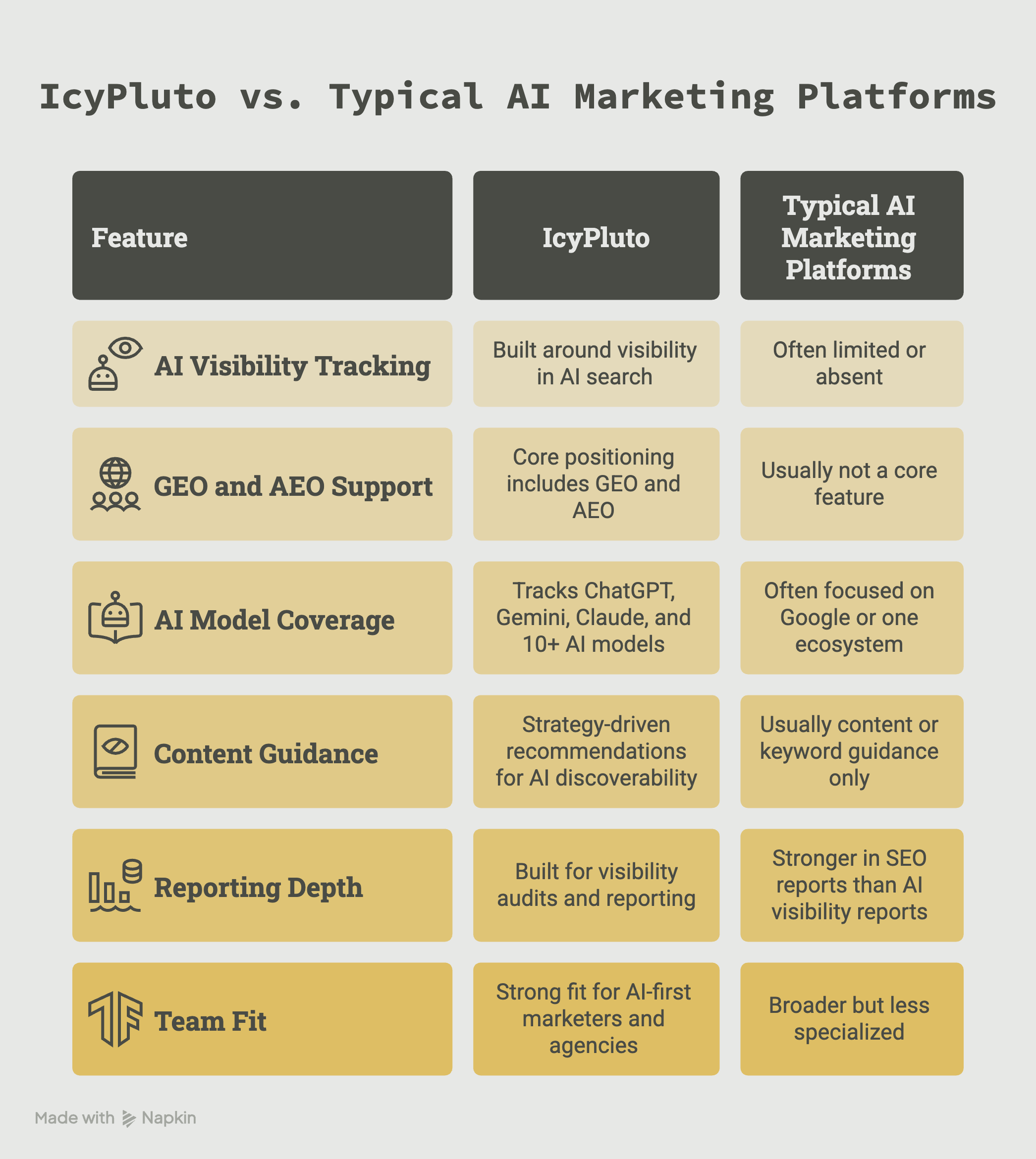
IcyPluto is built specifically around AI visibility, while many competitors still measure success with rankings and traffic only. In a world where zero-click search is rising, visibility inside AI answers is a more relevant signal for some brands than a simple position number. That makes visibility tracking a strategic advantage, not just a feature.
IcyPluto’s positioning around GEO optimization platform and AEO optimization platform workflows gives it a clear edge in AI-first search planning. By contrast, many platforms treat GEO and AEO as add-ons, if they support them at all. That difference matters because optimization for generative systems requires different content structure, entity clarity, and answer readiness.
Coverage across multiple AI models is one of IcyPluto’s strongest differentiators. This matters because users do not discover brands in only one environment anymore. A platform that tracks only Google can miss how buyers discover and validate brands in chat-based search.
The strongest AI search strategies are not just about output volume, but about clear positioning, credibility, and entity consistency. IcyPluto’s published messaging suggests that it helps brands align content and visibility tactics with those requirements. That makes it more aligned with answer engines than a standard AI writing assistant.[icypluto]
Traditional tools often provide dashboards, but not always actionable guidance for AI discoverability. IcyPluto appears to lean into audits, recommendations, and workflow direction, including a free visibility audit entry point. That is valuable for teams that want operational next steps rather than raw metrics only.
For marketing teams, ease of use means more than simple navigation. It means the platform helps them answer, “What should we change to show up in AI answers?” A specialized tool can simplify that process by narrowing the scope to AI visibility, which is often harder to infer from broader SEO suites.
Agencies may prefer IcyPluto when they need to show clients how their brands perform across AI systems and answer engines. In-house teams may use it to prioritize the content, schema, and brand signals that improve AI discoverability. Both groups benefit when the platform is purpose-built for the new search layer rather than retrofitted for it.
IcyPluto’s biggest differentiator is that it is built for AI search behavior first. Traditional SEO tools were created for ranking pages, while IcyPluto is positioned around being referenced and surfaced in AI-generated answers. That distinction becomes more important as clickless discovery grows.
A comparison-led blog like this one fits IcyPluto’s positioning because modern buyers ask comparative questions inside search and AI systems. Platforms that support answer-first visibility help brands compete on those query types more effectively. This is especially relevant when people search for platform-versus-platform evaluations rather than general education content.
The value of a visibility platform depends on whether it gives structured, actionable guidance. IcyPluto’s messaging suggests it is designed to help brands understand best practices and improve their presence across AI systems. That is especially useful for teams working on FAQ content, entity optimization, and source-worthy pages.
Search is no longer just search engine optimization. With AI Overviews, chat-based search, and answer engines expanding, the winner is often the brand that can be cited, summarized, and trusted quickly. IcyPluto’s strategy reflects that shift, which makes it more future-ready than tools that still focus primarily on legacy keyword rankings.
SaaS brands that want visibility in ChatGPT-style workflows, answer engines, and AI summaries are a strong fit for IcyPluto. These brands often compete on expertise and category positioning, which makes AI citations valuable. A GEO optimization platform can help them stand out when buyers research solutions conversationally.
Agencies can use IcyPluto to demonstrate value beyond traffic metrics. Showing how a client appears in AI systems can strengthen retention and strategic positioning. It also helps agencies explain why AI visibility tool metrics matter in a zero-click search strategy.
In-house teams need a clear view of whether their brand is being discovered in the right places. IcyPluto can support that by connecting visibility goals to practical recommendations. That is especially useful for teams balancing SEO, content, and brand marketing.
Content teams that write FAQs, comparisons, and educational pages are likely to benefit the most. These content types are often the ones that AI systems summarize and cite. A platform focused on answer readiness can make those efforts more strategic.
Price matters, but the more important question is whether the platform matches your discovery goals. A cheaper tool that only tracks rankings may not solve AI visibility needs. For brands trying to compete in generative search, value should be measured by visibility impact, not just subscription cost.
The ROI case for AI visibility grows when clicks decline, and answers appear directly on the results page. SparkToro’s 2026 study suggests the zero-click trend is now large enough to change how marketers think about traffic, citations, and branded demand. That makes the ROI of visibility tools more strategic than purely traffic-based tools in some categories.[sparktoro]
IcyPluto’s pricing page mentions a free AI visibility audit, which lowers the barrier to evaluation. That is helpful for teams that want to test the category before committing to a paid plan. Trial-style entry points are especially useful when the platform introduces a new search paradigm.
Smaller teams may start with a focused tool if their main goal is AI visibility. Larger teams may need both an AI visibility platform and a broader SEO suite. The best budget fit depends on whether the team wants to replace part of its stack or add a new layer to it.
Start by deciding whether you want ranking, citations, brand mentions, or full search-stack management. If your goal is AI citations and answer visibility, a specialized platform is more logical. If your goal is comprehensive SEO operations, a broader suite may be better.
The right platform should align with how your team already works. Content teams need guidance, agencies need reporting, and growth teams need actionable signals. The more your workflow depends on AI search performance, the more a dedicated visibility platform makes sense.
Not every team needs the same mix of features. Some need backlink data, some need AI content optimization, and some need GEO and AEO support. A useful AI marketing platform comparison should separate those needs before evaluating tools.
Use a checklist before buying:
Does it track visibility across AI systems?
Does it support GEO and AEO workflows?
Does it help with content and entity optimization?
Does it provide actionable recommendations?
Does it fit your team size and reporting needs?
IcyPluto is a strong choice when AI visibility is the priority and traditional SEO is no longer enough. It is especially relevant for brands that want to show up in generative answers, AI summaries, and multi-model search experiences. If your strategy includes GEO, AEO, and answer-led discovery, it is built for that job.
Another platform may be better if your main needs are technical SEO, backlink intelligence, or enterprise reporting. Those capabilities are still central to many teams and are often deeper in legacy SEO suites. The best decision depends on whether you need broad search operations or specialized AI discoverability.
Use a simple rule. Choose IcyPluto if your top priority is AI visibility and answer engine performance. Choose a broader SEO suite if your top priority is traditional organic search management, then add IcyPluto if you need a dedicated layer for GEO and AEO.
IcyPluto is used to track and improve how brands appear in AI search and answer systems. It focuses on visibility across generative platforms rather than just keyword rankings. That makes it useful for modern search discovery.
Traditional SEO platforms focus on rankings, backlinks, and technical audits, while IcyPluto focuses on AI visibility, GEO, and AEO. That means its goal is to help brands get cited or recommended in AI-generated answers. It is a different layer of search strategy.
Yes, IcyPluto says it tracks ChatGPT, Gemini, Claude, and 10+ AI models. Multi-model coverage matters because discovery now happens across more than one system. That broader visibility view is a major reason marketers evaluate it.
Yes, agencies can use it to show clients how their brands appear in AI search environments. That can support audits, strategy updates, and reporting. It is especially useful when clients care about brand visibility beyond traffic.
GEO stands for Generative Engine Optimization, and it refers to optimizing content so AI systems can retrieve, cite, and recommend it. It matters because more searches are ending without clicks, and AI answers increasingly shape discovery. For brands, that means visibility inside answers is becoming a core marketing goal.