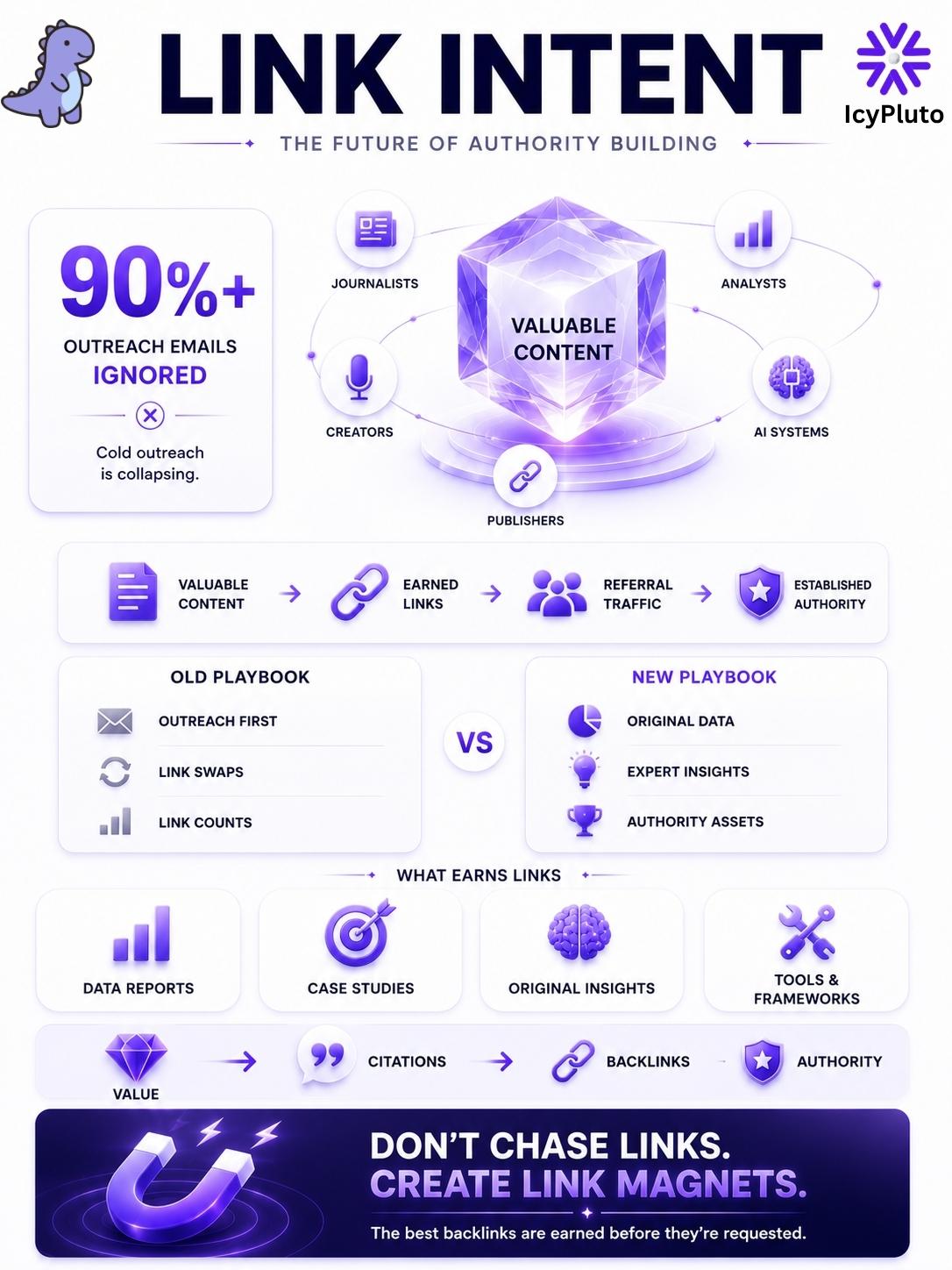
This blog explains how IcyPluto uses link intent—a...

This blog reveals how to maximize visibility in tr...
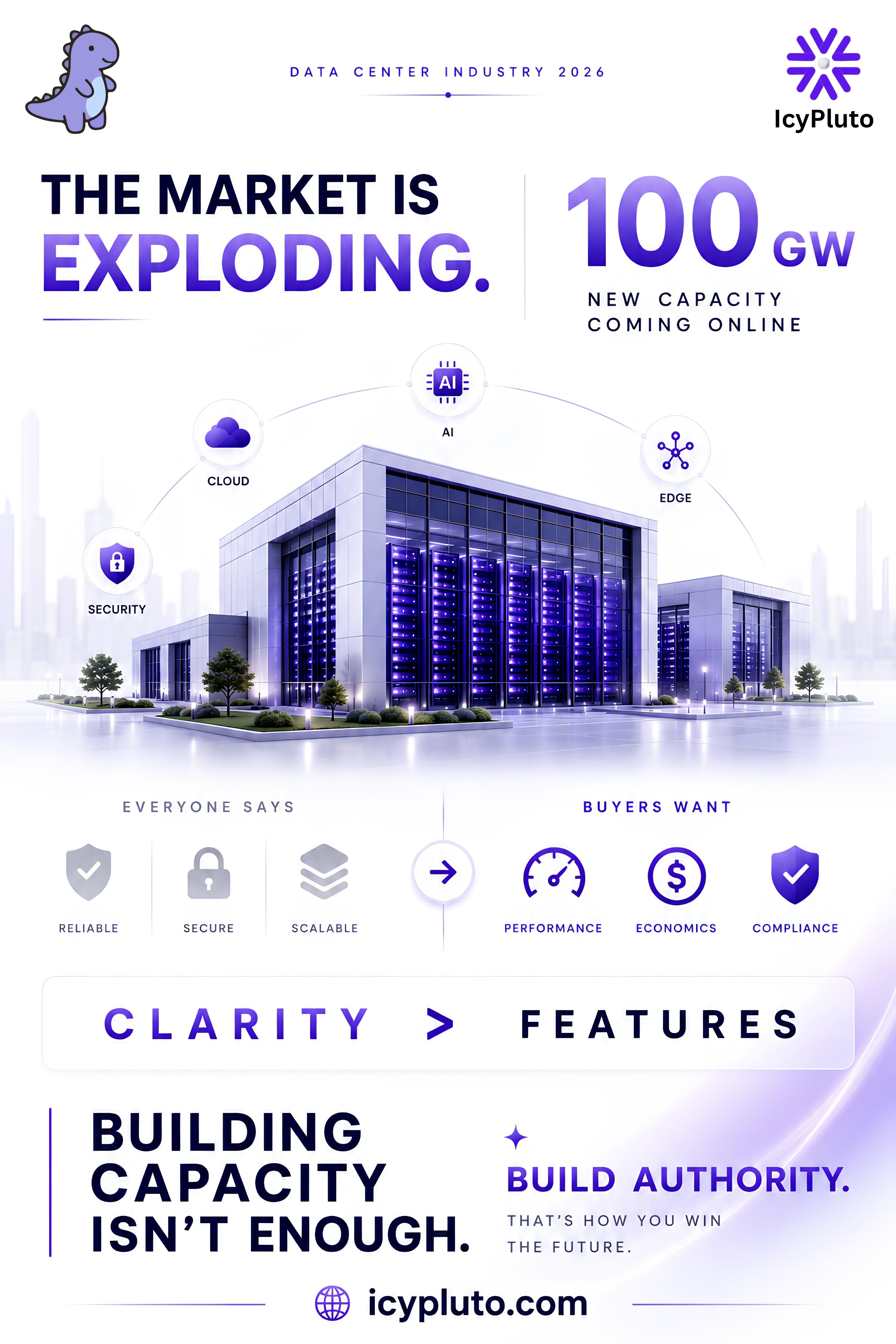
This blog explores the marketing gaps holding back...

Marketing has traditionally been seen as a function responsible for brand awareness, campaigns, and lead generation. While these elements remain important, they no longer define the full scope of marketing’s impact. Today, marketing is expected to directly influence revenue growth, customer acquisition, and business expansion.
The appointment of Chris Baird as Chief Marketing Officer at Pattern Group Inc. highlights this shift. This is not just a leadership change. It reflects a deeper transformation in how companies approach growth, go-to-market strategy, and customer engagement in a data-driven world.
At its core, this appointment is about building a stronger connection between marketing and revenue. The role of a Chief Marketing Officer is evolving from managing brand positioning to driving measurable business outcomes.
Chris Baird brings experience from companies like Adobe, Omniture, Weave, and ObservePoint. His background reflects deep expertise in go-to-market strategy, demand generation, and marketing and sales alignment.
This signals a clear priority for Pattern. The focus is on building a scalable growth engine that integrates brand growth, pipeline generation, and conversion efficiency into one unified system.
One of the most important shifts highlighted in this move is the growing importance of a unified go-to-market strategy. In today’s environment, success depends on how well different functions work together.
A modern GTM approach connects:
• Brand positioning and product marketing
• Demand marketing and pipeline growth
• Sales enablement and customer engagement
• Growth marketing and performance marketing
This integrated model ensures that every marketing effort contributes directly to revenue impact. It also improves marketing ROI by aligning teams around shared goals rather than isolated metrics.
For Pattern, this means building a system where marketing, sales, and product functions operate as one cohesive unit, driving both customer acquisition and long-term growth.
Another defining element of this transformation is the role of artificial intelligence and data-driven insights. Pattern’s platform leverages machine learning, predictive analytics, and automation to optimize e-commerce performance.
With access to massive datasets, including trillions of data points, the company can generate insights that inform pricing strategy, demand forecasting, advertising optimization, and content management. This level of intelligence allows for more accurate decision-making and faster growth acceleration.
AI is no longer an optional tool. It is becoming the foundation of modern marketing systems. It enables businesses to move beyond guesswork and build strategies based on real-time insights and predictive models.
Pattern operates in a highly competitive e-commerce environment where brands must navigate multiple online marketplaces. Success in this space requires more than just visibility. It requires optimization across every aspect of the customer journey.
This includes platforms such as:
• Amazon marketplace
• Walmart.com
• Target.com
• eBay
• TikTok Shop
• Tmall
• JD.com
• Mercado Libre
Managing growth across these channels requires a combination of technology, strategy, and execution. Pattern’s approach focuses on marketplace optimization, pricing strategy, logistics and fulfillment, and customer service optimization.
By integrating these elements, the company helps brands scale globally while maintaining efficiency and profitability.
The appointment of a new CMO also reflects a broader shift from campaign-driven marketing to system-driven growth. Traditional marketing often focuses on short-term performance, such as running ads or launching campaigns. While these activities are important, they are not sufficient for sustainable growth.
A systems-driven approach emphasizes:
• Scalable growth infrastructure
• Integrated marketing and sales alignment
• Full-funnel visibility
• Continuous optimization based on data
This approach ensures that marketing efforts are not isolated but part of a larger ecosystem that drives consistent results.
Leadership plays a critical role in enabling this shift. A modern Chief Marketing Officer is not just responsible for executing strategies. They are responsible for building the infrastructure that supports growth.
This includes:
• Defining a clear global growth strategy
• Aligning teams across functions
• Implementing technology and analytics systems
• Driving a culture of data-driven decision-making
With strong leadership, organizations can move from reactive marketing to proactive growth planning. This creates a competitive advantage in fast-changing markets.
The most important takeaway from this development is the changing role of marketing. It is no longer a cost center focused on awareness. It is becoming a revenue engine that drives business performance.
This shift is driven by several factors:
• The need for measurable revenue impact
• The rise of AI and machine learning
• The importance of full-funnel optimization
• The growing complexity of customer journeys
Companies that embrace this transformation will be better positioned to achieve sustainable growth. Those that do not risk falling behind in an increasingly competitive landscape.
The appointment of Chris Baird as Chief Marketing Officer at Pattern is a clear signal of where marketing is headed. The focus is no longer on isolated tactics or individual campaigns. It is on building integrated systems that connect data, technology, and strategy.
The future of marketing will be defined by:
• Strong go-to-market alignment
• AI-powered insights and automation
• Scalable growth systems
• Direct connection to revenue outcomes
In this new era, success will not come from doing more marketing. It will come from building better marketing systems.