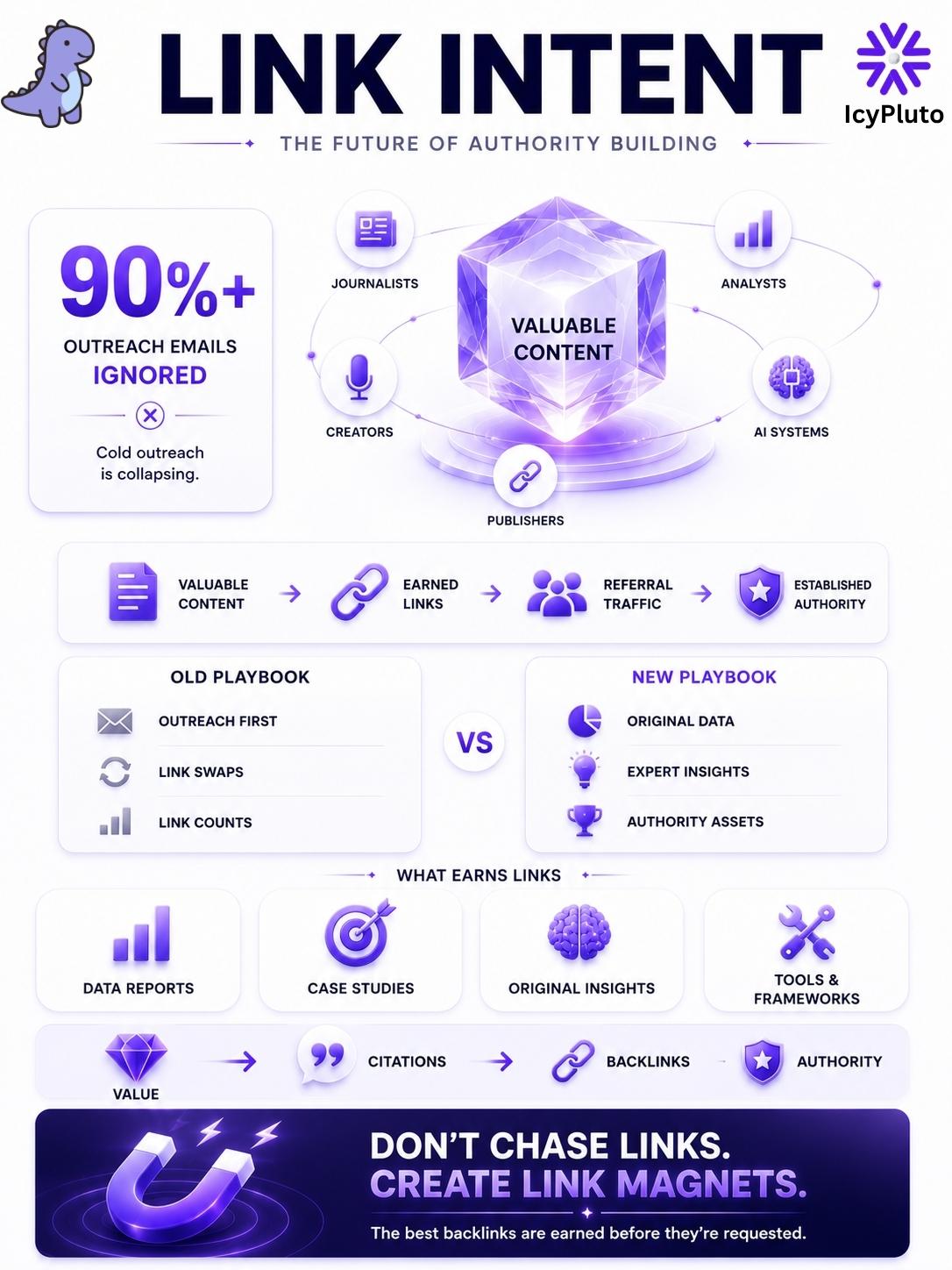
This blog explains how IcyPluto uses link intent—a...
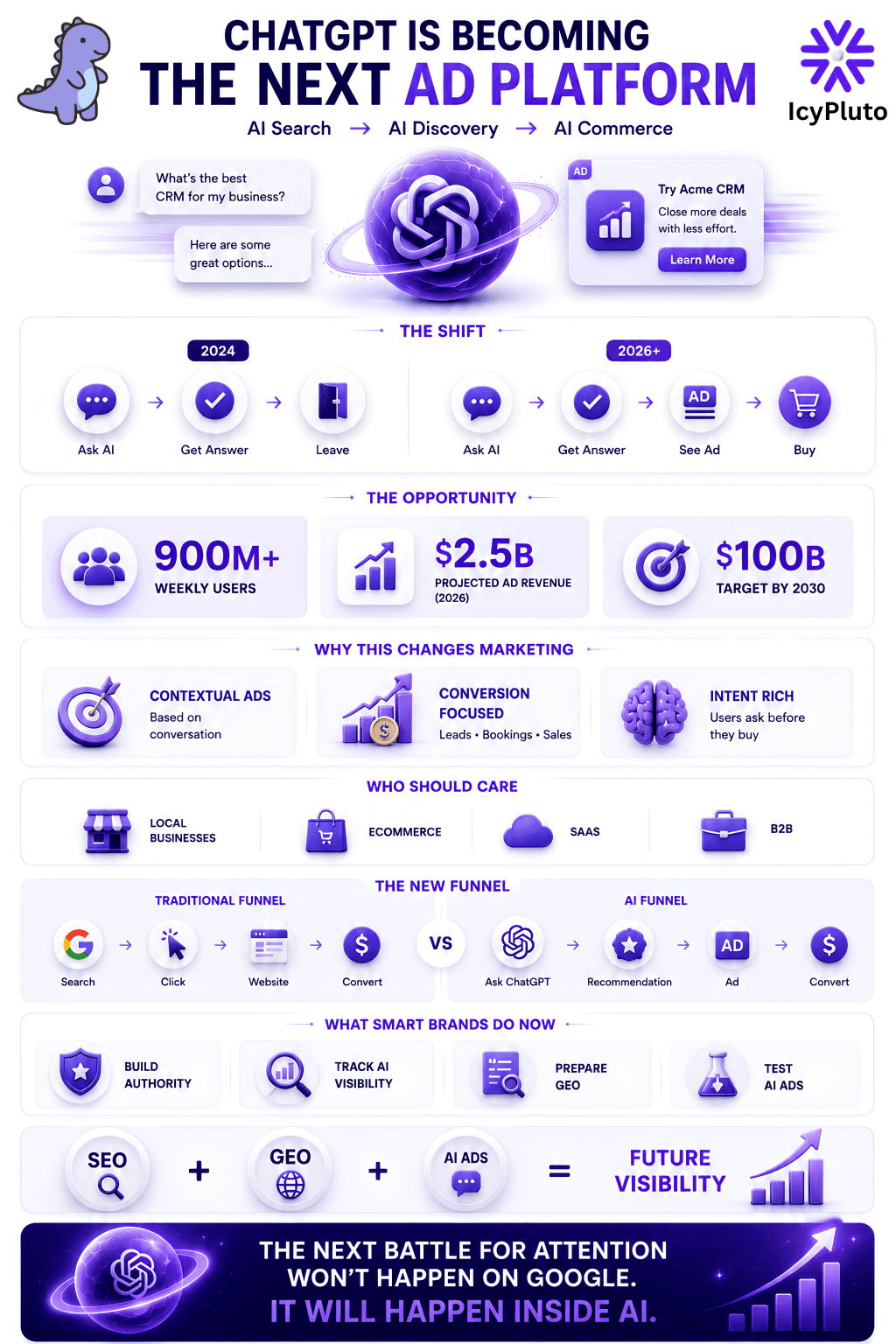
This blog post explores OpenAI's groundbreaking la...
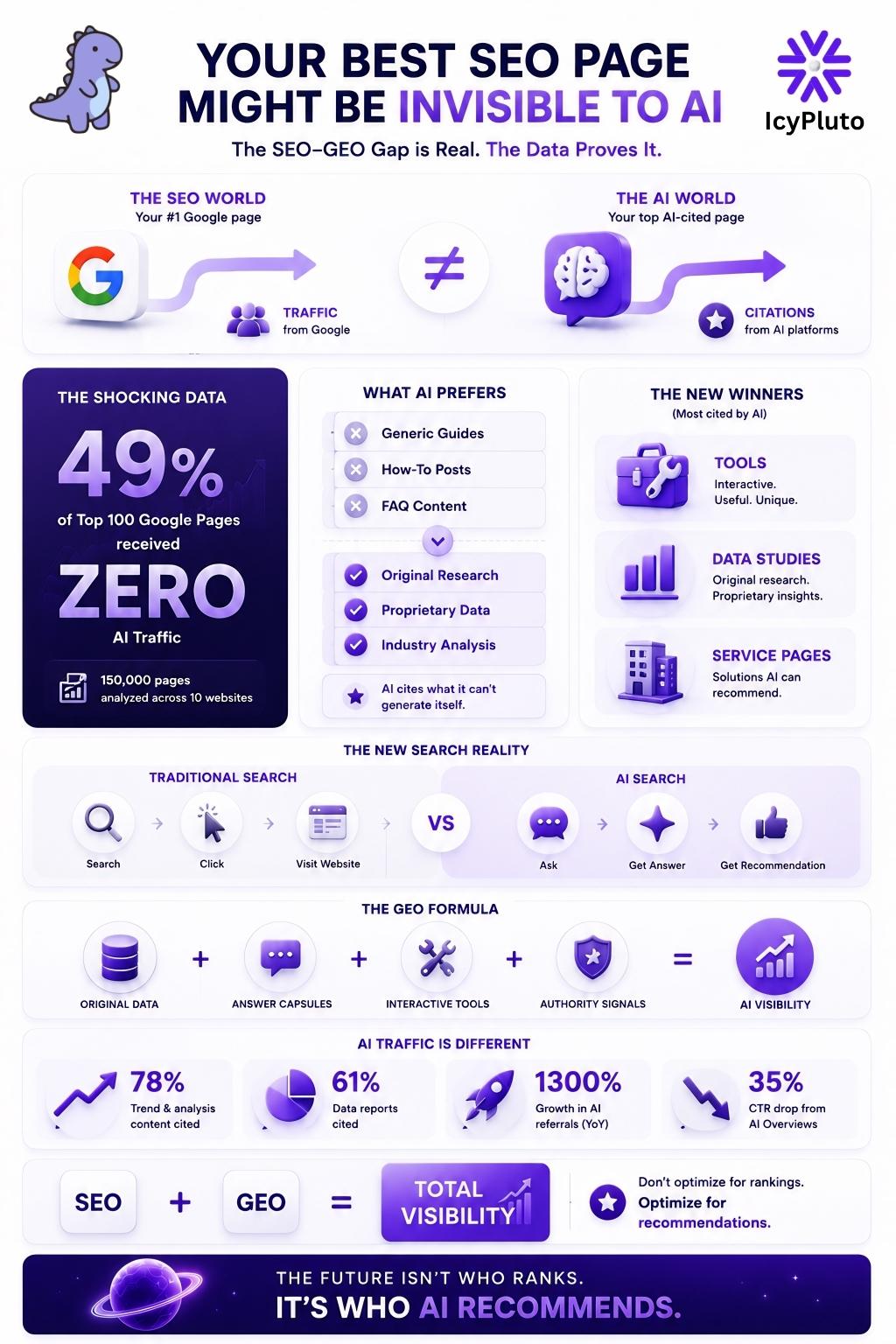
This comprehensive blog post explores the SEO-GEO ...
If your website traffic suddenly dropped or your Google rankings started fluctuating, you’re not alone.
The Google Core Update 2026 has caused noticeable movement across search results globally. Many small businesses are seeing pages either rise quickly or lose visibility overnight.
But here’s the reality:
It’s not a penalty
It’s not random
And it’s definitely not the end of your SEO
It’s simply Google recalibrating what it considers high-quality, relevant, and helpful content.
A Google core update is a broad change to how Google evaluates and ranks websites.
Instead of targeting spam or technical issues, it focuses on improving:
Content quality
Search relevance
User intent satisfaction
These updates affect billions of web pages simultaneously, often leading to major ranking shifts.
Google releases 3–4 core updates per year
Updates impact all industries and niches
Rankings can change even if you did nothing wrong
One of the biggest challenges is understanding why rankings suddenly change.
Google re-evaluates your content against competitors
Ranking signals are recalibrated
Better-aligned content gets promoted
Rankings may fluctuate for 1–2 weeks
Traffic can increase or drop unpredictably
Search visibility keeps shifting in phases
This is completely normal.
Let’s clear the biggest myth:
A ranking drop ≠ penalty
Google is not punishing your site. Instead:
Your content is being re-compared
Competitors may now be more relevant
Search intent alignment has changed
This is a re-ranking process, not a punishment system.
To identify impact, focus on your SEO performance data.
Organic traffic drop or spike
Keyword ranking changes
Page-level performance shifts
Click-through rate (CTR) variations
Google Search Console
Analytics dashboards
Compare data before and after March 27, 2026, to isolate the update impact.
Google’s direction is very clear: User-first content wins
Deep, useful, and original content ranks higher
Thin or generic content loses visibility
Real expertise matters more than ever
Trust signals influence rankings
Content must match what users actually want
Not just keywords, but intent
Mobile-friendly design
Fast loading speed
Easy navigation
Websites with strong SEO practices can see up to 1000% more traffic compared to poorly optimized ones
Making sudden SEO changes
Rewriting all content instantly
Panicking over ranking drops
Monitor ranking changes
Identify impacted pages
Analyze competitors
Plan content improvements
Google itself recommends waiting until the update stabilizes before making major changes.
Recovery is possible but requires a strategy.
Improve content depth and clarity
Update outdated pages
Add real insights and expertise
Enhance user experience
Minor improvements → quick gains
Major recovery → next core update cycle
Typically, recovery takes 3–4 months after improvements.
If you want long-term growth, shift your focus:
Create helpful, problem-solving content
Build topical authority
Optimize for user intent
Improve technical SEO basics
Keyword stuffing
Low-value content
Manipulative SEO tactics
Google is evolving fast.
From:
Keywords → Context
Rankings → Relevance
Traffic → Experience
To:
AI-driven search
Helpful content systems
Intent-based ranking
The businesses that adapt will win.
Google core updates can feel unpredictable, especially for small businesses.
But the principle is simple:
Better content = better rankings
If your content:
Helps users
Solves real problems
Provides genuine value
You are aligned with Google’s direction.