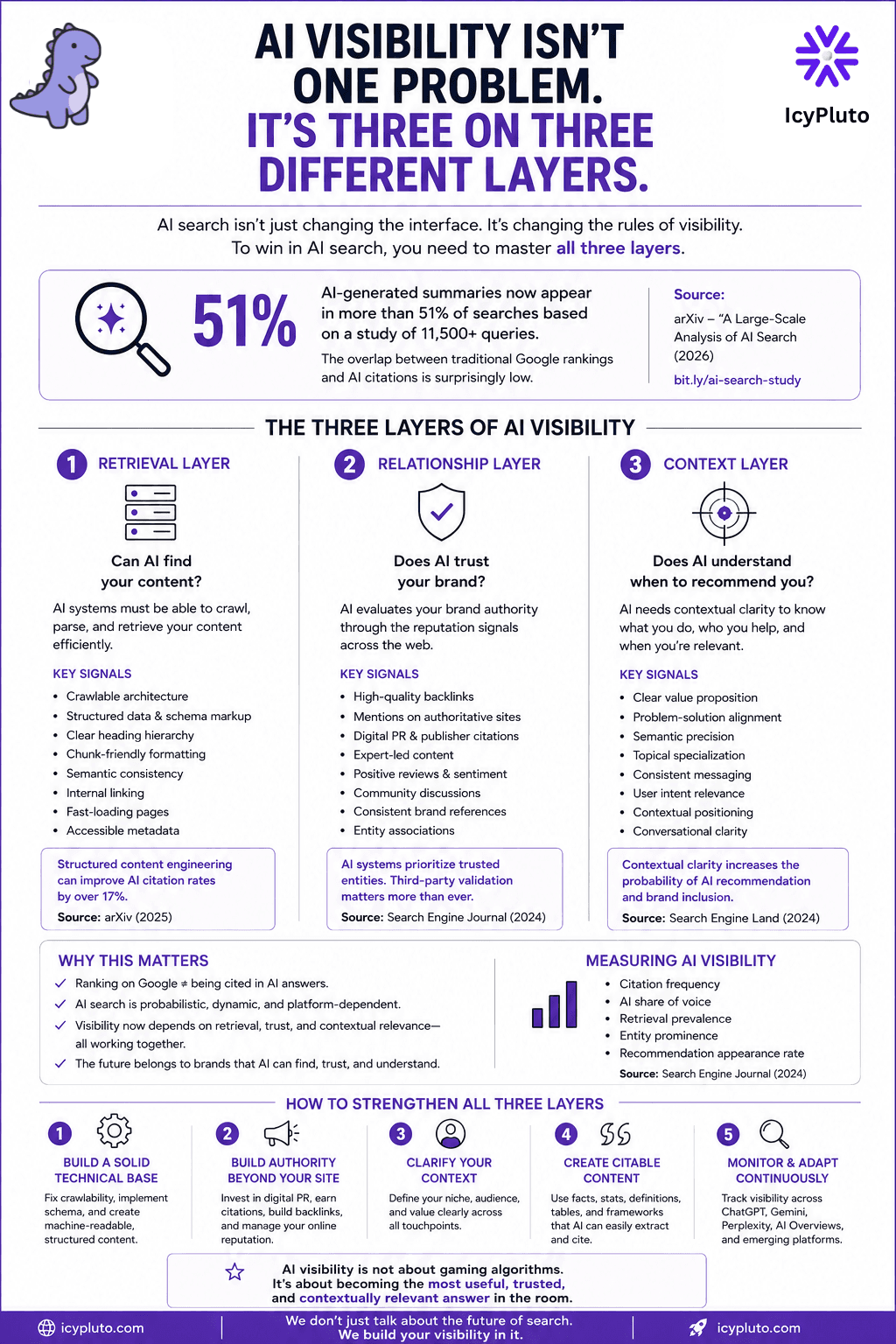
This article explores why AI visibility is no long...
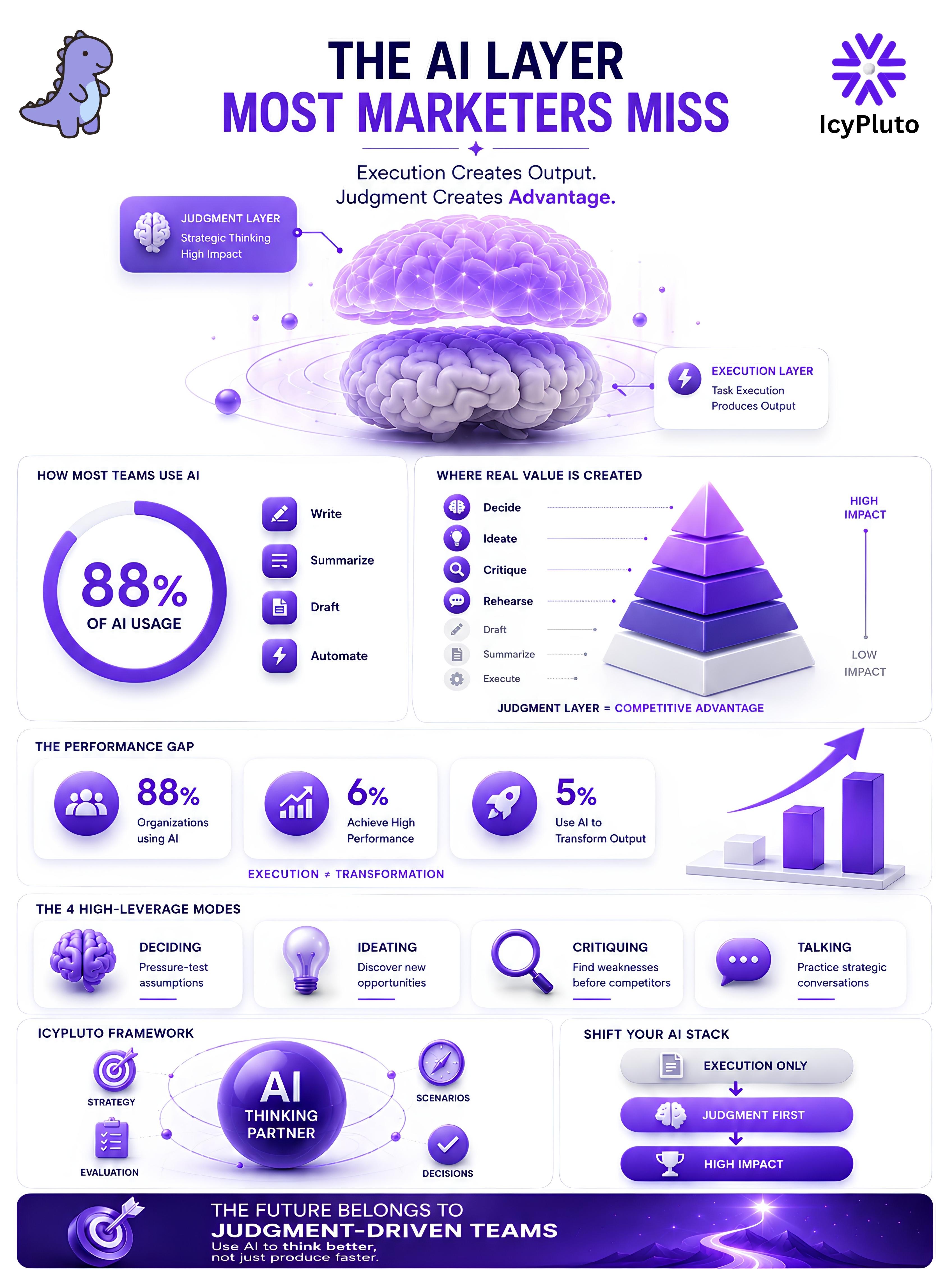
This blog explains the critical difference between...
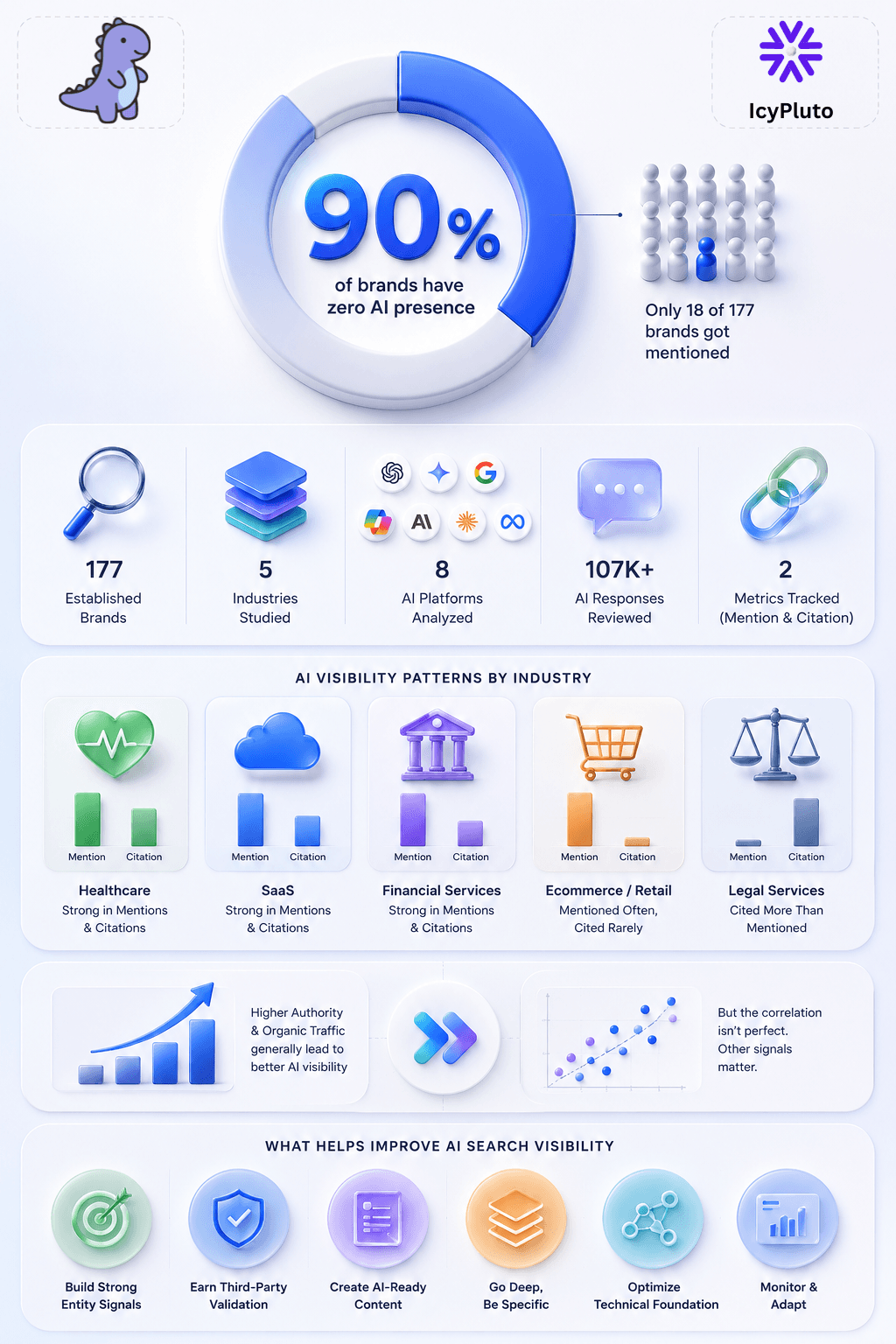
This blog explores a major 2026 study that reveals...
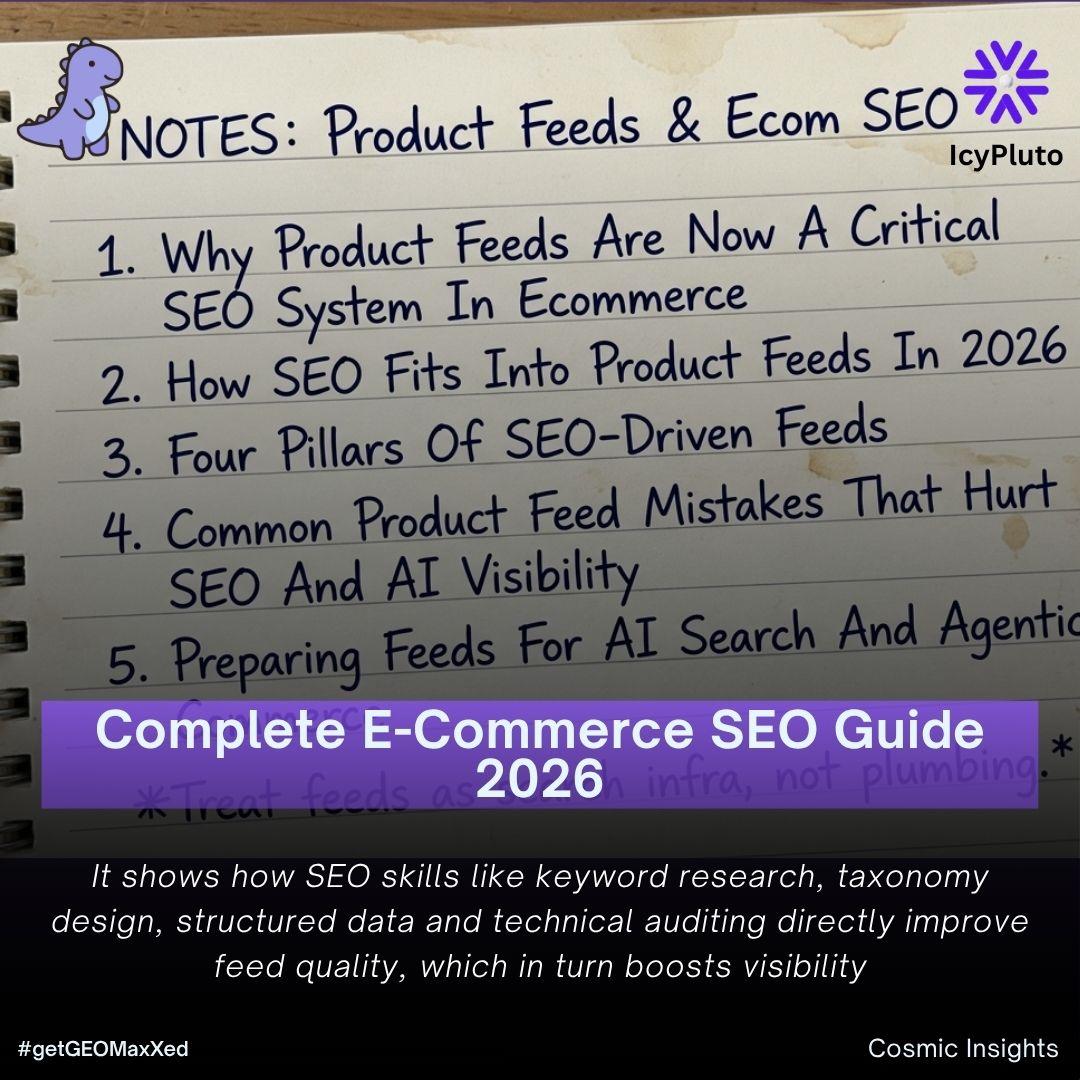
Most ecommerce teams obsess over category pages, faceted navigation and backlinks, while their product feeds are left on default settings and owned only by paid media. That mindset made sense when feeds were mainly a Google Shopping and Performance Max requirement. In the era of AI search, agentic commerce and richer organic shopping features, it is a serious blind spot.
Product feeds now behave like a second information architecture that sits underneath your site. They power how Google’s algorithms, Merchant Center, shopping units and emerging AI engines understand your catalog. If you treat them as “set it and forget it” exports from Shopify or Magento, you are limiting your visibility in both classic SEO and future Generative Engine Optimisation (GEO) and Answer Engine Optimisation (AEO).
In many e-commerce organizations, product feeds are seen as pure PPC plumbing. They are generated automatically, passed to Google Merchant Center and only touched again when disapprovals appear. From an SEO and AI search point of view, that is leaving money on the table.
A raw feed gives search bots just enough to list your products. An SEO‑driven feed turns every row into a structured, intent‑mapped entity that can match how people actually search across Google Search, Shopping and AI experiences.
The article outlines four pillars where SEO expertise directly improves feed performance.
SEO professionals spend their lives mapping keywords, search intent and user language. That same discipline belongs in product feed optimization.
Instead of sending truncated, system‑generated titles like “Men’s Waterproof Jacket Black,” SEO teams can build titles and descriptions that mirror long‑tail query patterns, for example:
“Brand X men’s waterproof running jacket, black lightweight performance shell”
This kind of semantic query mapping does several things:
Surfaces high‑intent modifiers such as gender, activity, color and use case.
Helps Google’s ranking systems and AI search engines align products with specific, multi‑attribute queries.
Provides richer context for AI Overviews, conversational search and future shopping agents.
In other words, product feeds are not just technical exports. They are another surface where your keyword research and intent architecture should live.
Even with a good title, a product can disappear if it sits in the wrong category. The article calls this the risk of products “lost in the void.”
SEO and information architecture skills are essential here. A clear feed taxonomy means:
“Tactical hiking boots” do not get buried inside generic “footwear” classes.
Filters such as activity, terrain, material or gender are reflected in both on‑site navigation and feed categories.
The [google_product_category] attribute, titles, descriptions and GTINs all align, giving Google’s algorithms high confidence about what each item is and who it is for.
This is classic SEO entity work applied to the feed layer. A coherent hierarchy helps both Google Shopping and organic search understand and surface the right products for the right queries.
On‑site structured data is the glue that connects your website to your product feed.
Google and other bots use product schema as a “source of truth” to validate what the feed is saying. For example, if your feed says a product costs 50 dollars and your schema says 60 dollars, Google is more likely to disapprove the listing than guess.
Well‑aligned schema and feed attributes unlock several search and AI benefits:
Automatic updates of price and availability for both Shopping ads and free listings, especially during flash sales or inventory changes.
Reduced risk of policy violations caused by mismatched data.
Cleaner, more reliable data for AI search systems and future commerce agents, which will query schema properties directly to test whether a product meets a user’s constraints.
From an AEO and GEO perspective, structured data is how you tell AI and Google algorithms that a product is “agent‑ready” for comparisons and checkout.
Good SEOs are relentless auditors. They run crawls, check coverage, hunt for cannibalization and track technical hygiene over time. That mindset is just as valuable for feeds.
The article highlights the value of using an “analytical SEO eye” to spot:
“Ghost products” that never get impressions or clicks.
SKUs with high impression share but low CTR that need better titles or images.
Patterns in Merchant Center disapprovals or limited visibility flags.
As AI‑driven discovery accelerates, the quality of your feed data increasingly reflects your brand’s reliability in search. More context in the feed leads to more chances to be recommended in conversational search, organic Shopping blocks and AI‑generated citations.
Most feed issues the author sees in audits come down to inconsistency and thin data. Often, no single team “owns” feed quality across SEO, PPC and merchandising. That leads to recurring problems such as:
Auto‑generated Shopify or platform titles that do not match real query language.
No keyword layering or intent modifiers in titles and descriptions.
Inconsistent handling of variants by size, color or material.
Missing GTIN or MPN data that weakens product identity.
Thin descriptions that do not explain use cases or differentiators.
Feed attributes that do not match on‑page SEO content or schema.
The consequences show up across search surfaces:
Google may disapprove products when prices or stock statuses disagree between feed and landing page.
Products become ineligible for longer, more specific queries that require attributes the feed does not expose.
AI search systems have less detail to work with, so your products are less likely to be cited in answers or comparison tables.
This is exactly where SEO skills matter. Regular technical auditing, structured data knowledge and an understanding of searcher behavior help convert a messy feed into a high‑quality search infrastructure.
The core principle is simple. The more structured context you provide through your product feed, the more chances you have to show up in both traditional search and AI‑based experiences.
As queries get longer and more detailed, users expect search and agents to understand specifics like:
Size and fit
Color and material
Compatibility and model numbers
Use case, activity or demographic
If your feed is missing any of those attributes, two things happen:
You miss out on high‑intent queries such as “men’s waterproof trail running jacket black medium” and only appear for generic searches like “men’s running jacket.”
AI search tools have weak signals to match against, so your products are less likely to be shortlisted or cited when users ask for precise recommendations.
In a world where AI Overviews, merchant knowledge panels and conversational search answers are becoming the default, high‑quality feeds give you surface area across:
Paid Shopping ads and Performance Max.
Free product listings and organic Shopping units.
Entity‑based carousels and rich results in classic SEO.
AI‑generated comparison lists and agents evaluating options behind the scenes.
The article breaks down feed optimization into several practical work streams that map closely to modern SEO and GEO practice.
Treat each row in your product feed like a mini landing page. That means:
Running keyword research at product level, not just for categories.
Identifying high‑intent modifiers such as size, material, compatibility, demographic and use case.
Layering those terms into product titles and descriptions in a natural, readable way.
Instead of relying on platform defaults, you shape titles around how real people search. For example:
“Sony WH‑1000XM5 wireless noise cancelling headphones, over‑ear, black, travel and office”
This improves relevance for both organic SEO and AI search by aligning feed language with real query patterns.
To avoid conflicts and maximize trust, feed attributes must align with on‑page schema and visible content. Practical tasks for SEOs include:
Monitoring Google Merchant Center for issues such as missing GTINs, mismatched prices or policy flags.
Updating product schema so that price, availability, brand and identifiers match exactly what the feed says.
Making sure feed descriptions and on‑page copy tell the same story about features and use cases.
Consistent structured data strengthens your product entities in both Google’s ranking systems and AI engines, reducing disapprovals and ambiguous signals.
Variant strategy sits at the intersection of technical SEO, UX and feed logic. Poorly handled variants can cause:
Duplicate URLs competing for the same queries.
Wasted crawl budget on near‑identical pages.
Bloated feeds full of redundant rows.
The article recommends that SEOs define clear rules for when to:
Group variations under a single parent entity and use attributes such as size and color in the feed.
Create standalone URLs and feed entries for variants with distinct demand, such as significantly different patterns or use cases.
This helps protect crawl efficiency, reduce cannibalization, streamline feed governance and present cleaner options in Shopping and AI search.
Just as technical SEO involves regular site crawls and Search Console checks, feed optimization requires recurring governance. That includes:
Monitoring Merchant Center diagnostics for disapprovals, limited visibility notices and attribute errors.
Periodically sampling feed rows to check title quality, description depth and taxonomy accuracy.
Watching for “ghost products” that get impressions but no clicks, or no impressions at all.
Treating feed health as part of your standard SEO monitoring loop helps catch issues before they snowball into ranking losses or AI visibility gaps.
A large part of the article looks ahead to agentic commerce and AI‑driven shopping assistants. These systems will not just read your product pages. They will query feeds and schema directly, looking for products that fit a user’s constraints.
To be “agent‑ready,” a product needs:
Complete, machine‑readable attributes such as size, color, material, compatibility, price, stock status and shipping rules.
Clear entity signals that connect product, brand, category and use case.
A clean, conflict‑free relationship between feed, schema and on‑page content.
In that environment, product feeds turn into a core component of GEO and AEO. They are how your catalog speaks to non‑human buyers such as Google’s shopping agents or independent AI tools that implement OpenAI‑style product feed specifications.
The big shift described in the article is a mental one. Product feeds are no longer just a paid media asset. They are a core SEO and AI search system.
Even the best category pages cannot overcome a feed full of thin titles, missing attributes or mismatched schema at scale. As search becomes more conversational, multimodal and comparative, structured product clarity will increasingly decide which brands get cited and which stay invisible.
For e-commerce teams serious about SEO, AI search, GEO and Google algorithm resilience, that means bringing SEOs into feed strategy, not only into templates and content. It means treating Merchant Center, schema and product exports as one integrated search stack.
The brands that do this will not just see better Shopping performance. They will also be the ones whose products show up when AI agents, AI Overviews and new search experiences go looking for the best answer to “which one should I buy?”