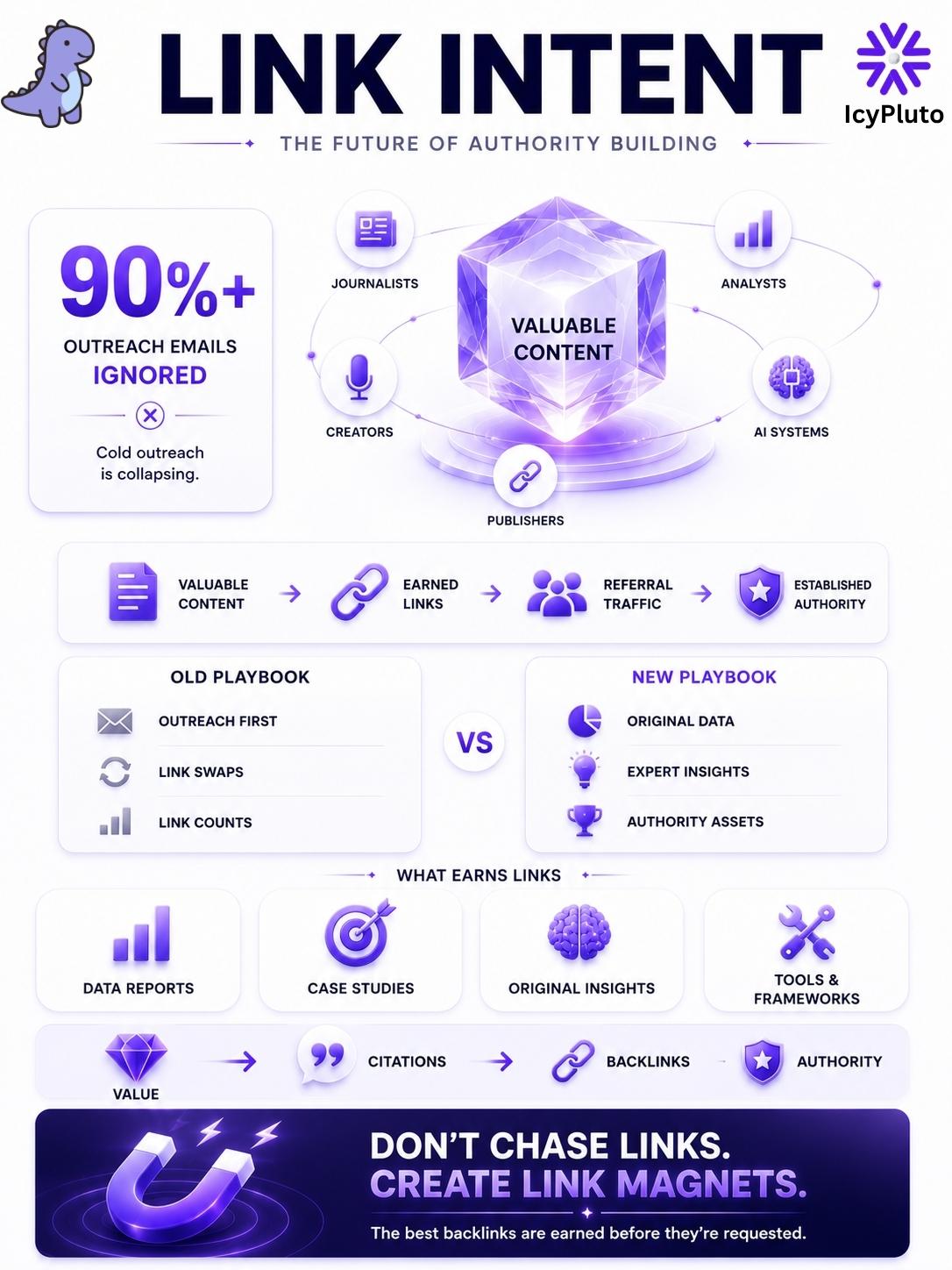
This blog explains how IcyPluto uses link intent—a...
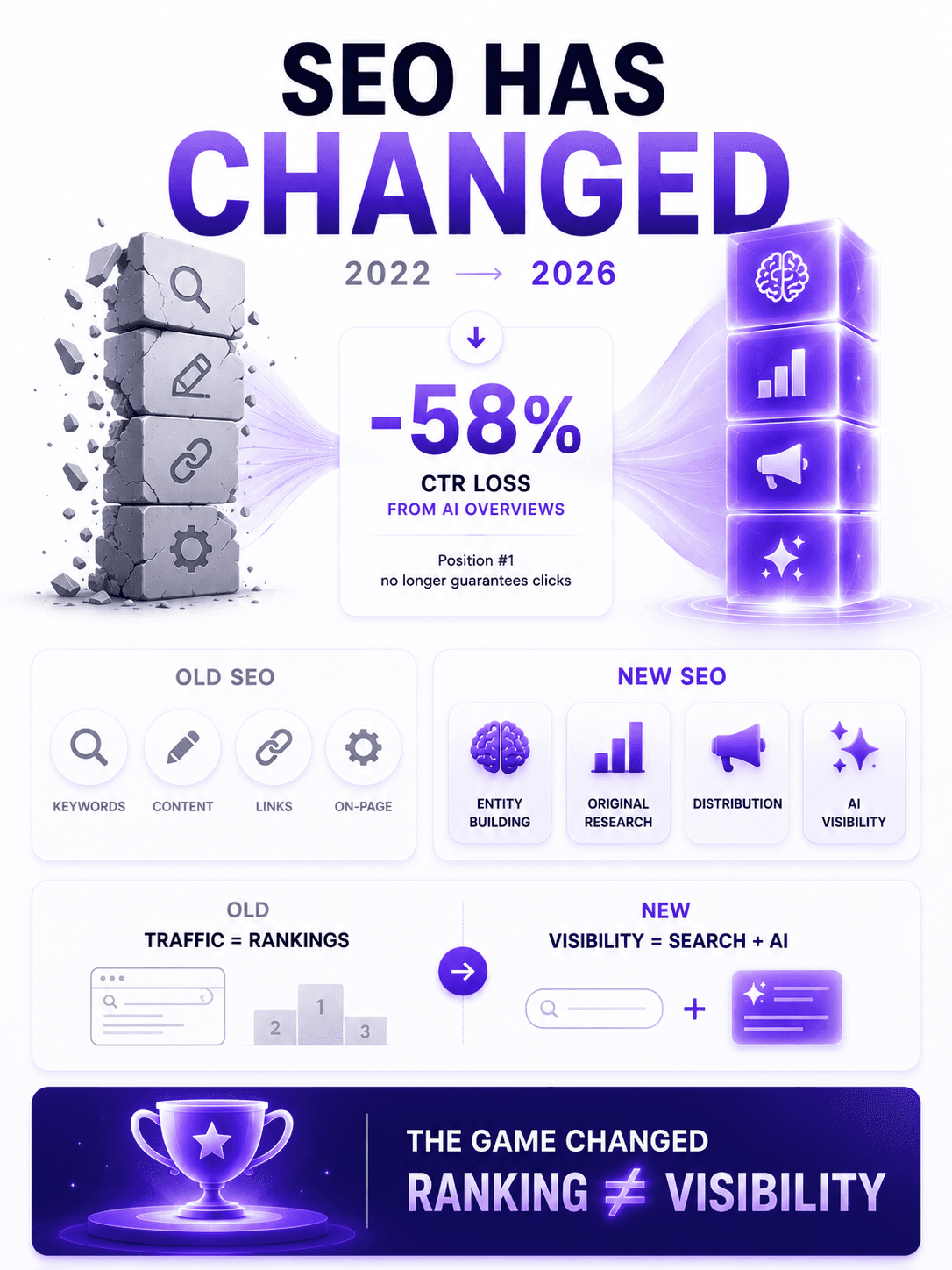
This blog reveals why traditional SEO work no long...
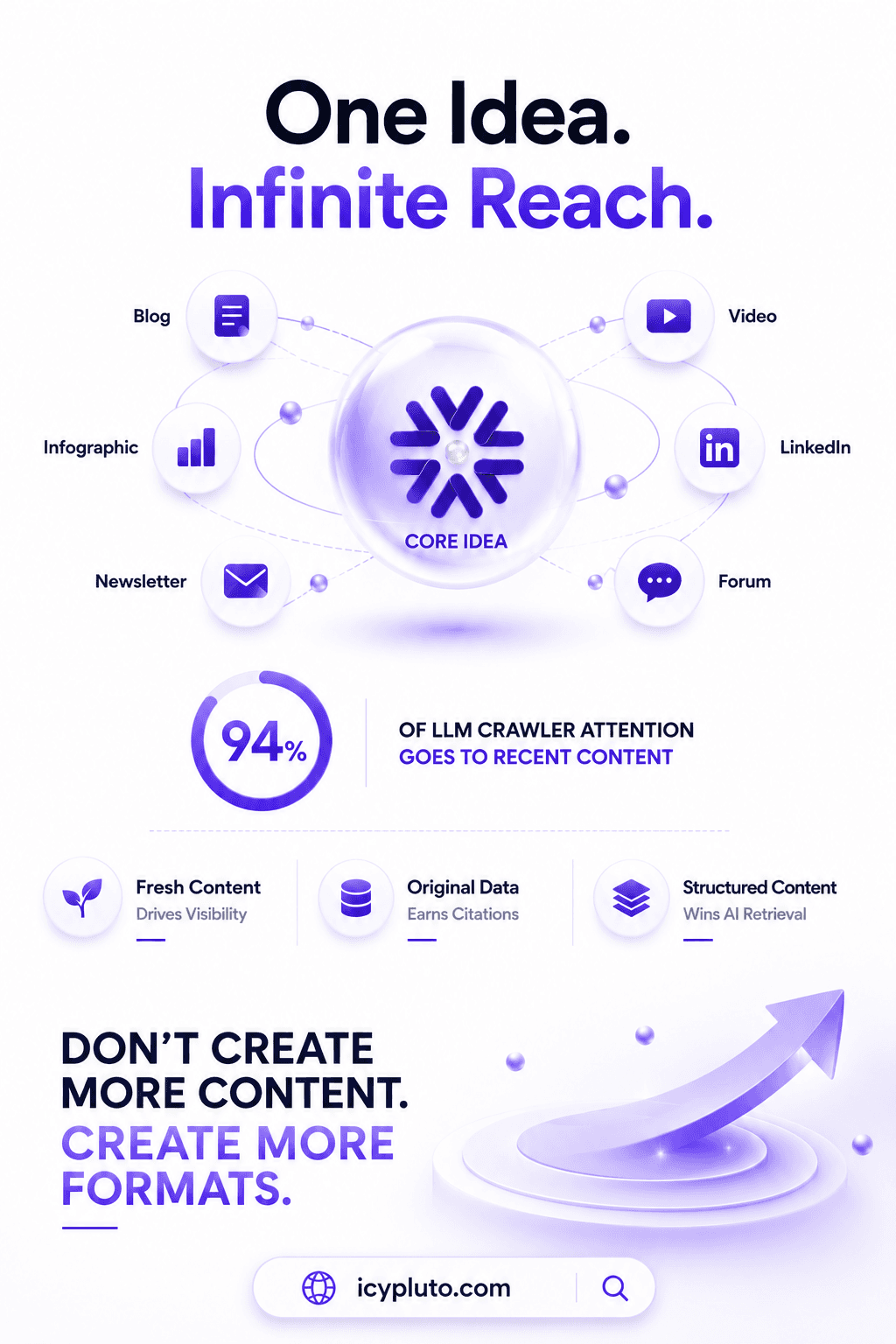
This blog reveals how to maximize visibility in tr...
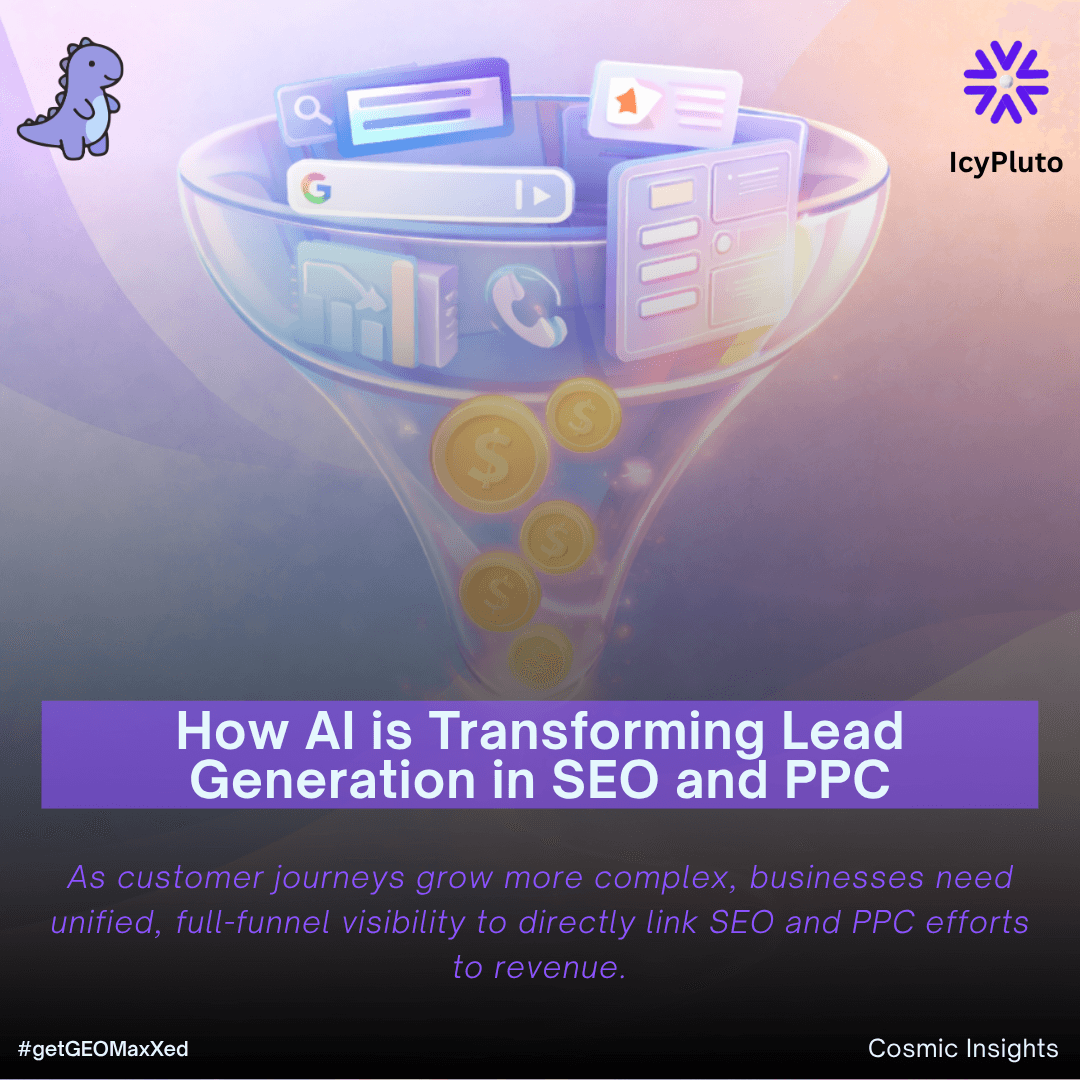
For years, digital marketing teams measured success by clicks, impressions, and traffic growth. SEO teams prioritized rankings, while PPC teams optimized for cost per click and conversions. These metrics seemed to provide a clear picture of performance.
But that story was incomplete.
The reality is that clicks do not equal value. A high volume of traffic means little if it does not translate into qualified leads or revenue. As AI continues to reshape digital marketing, the gap between traffic and outcomes is becoming increasingly difficult to ignore. Businesses are now realizing that what happens after the click is far more important than the click itself.
Lead generation now focuses on understanding and optimizing every stage of the customer journey, rather than just attracting attention.
One of the biggest challenges in modern lead generation is data fragmentation. Most businesses track different types of interactions across multiple platforms. Calls are tracked in one system, form submissions in another, chat interactions somewhere else, and PPC data in separate dashboards.
This fragmented approach creates serious blind spots.
Marketers may know which channels are driving traffic, but they often struggle to identify which ones are actually generating revenue. Without unified tracking, attribution becomes guesswork, and budget allocation decisions are based on incomplete insights.
Many strategies optimize visible metrics like clicks, but these do not reveal true performance.
AI is exposing this flaw by highlighting the complexity of modern customer journeys. Users interact with multiple touchpoints before converting, making it essential to connect all these interactions into a single, cohesive view.
The future of lead generation lies in tracking the entire customer journey rather than isolated channels. This means understanding how every touchpoint contributes to a conversion, from the first interaction to the final decision.
A unified approach to lead tracking includes:
• Website visits and organic search interactions
• Paid search campaigns and ad clicks
• Form submissions and landing page conversions
• Phone calls and offline interactions
• Chat conversations and messaging touchpoints
By bringing all these data points together, businesses can move beyond basic attribution models and gain a deeper understanding of what drives results. This enables marketers to identify high-performing channels, optimize campaigns more effectively, and allocate budgets based on real performance rather than assumptions.
More importantly, this shift allows teams to connect SEO and PPC strategies. Instead of operating in silos, both channels can work together to influence the same customer journey.
Artificial intelligence is playing a critical role in transforming how lead generation works. With the ability to process large volumes of data and identify patterns, AI-powered systems can uncover insights that were previously impossible to detect.
AI enables marketers to:
• Analyze multi-channel customer journeys
• Identify high-value touchpoints
• Predict conversion likelihood
• Optimize campaigns in real time
• Improve lead qualification
This shift from manual analysis to AI-driven insights allows businesses to focus on outcomes rather than surface-level metrics. Instead of asking which channel generated the most clicks, marketers can now ask which interactions contributed to revenue.
AI also improves attribution by connecting pre-click and post-click behavior. This creates a more accurate representation of performance and helps teams make smarter decisions.
Traditionally, SEO and PPC have been treated as separate strategies. SEO focused on organic growth, while PPC delivered immediate traffic through paid campaigns. However, in the context of modern lead generation, this separation no longer makes sense.
Both channels influence the same customer journey and should be optimized together.
For example, a user might discover a brand through an organic search result, revisit through a paid ad, and finally convert after a phone call. Without unified tracking, it becomes difficult to understand the contribution of each channel.
By aligning SEO and PPC efforts, businesses can:
• Gain a complete view of the conversion journey
• Improve keyword targeting and messaging
• Optimize budget allocation across channels
• Enhance overall marketing performance
This integrated approach ensures that both organic and paid strategies work toward a common goal: driving qualified leads and revenue.
One of the most important changes in lead generation is the shift from volume-based metrics to value-based metrics. Not all leads are equal, and focusing solely on quantity can lead to inefficient spending and poor results.
Instead, businesses must prioritize:
• Qualified leads over total leads
• Revenue attribution over conversion counts
• Customer lifetime value over short-term gains
This requires a deeper level of analysis and a stronger connection between marketing and sales data. By understanding which leads convert into customers and generate revenue, marketers can refine their strategies and focus on what truly drives growth.
To succeed in this new environment, businesses need to adopt a more advanced and integrated approach to lead generation.
Consolidate all tracking into a single platform to eliminate fragmentation and gain a complete view of the customer journey.
Track every interaction from initial discovery to final conversion to understand how leads are generated and nurtured.
Use AI-powered tools to analyze data, identify patterns, and optimize campaigns based on real performance.
Ensure both channels work together to influence the same customer journey and maximize results.
Shift your metrics from clicks and leads to actual revenue and business impact.
While this transformation introduces complexity, it also creates a significant opportunity for businesses that are willing to adapt. By embracing unified tracking and AI-driven insights, companies can achieve a level of precision and efficiency that was not possible before.
This leads to:
• Better budget allocation
• Higher conversion rates
• Improved marketing ROI
• Stronger competitive advantage
Instead of relying on assumptions, marketers can make decisions based on accurate, real-time data.
Lead generation is no longer about capturing attention through clicks. It is about understanding the entire journey that leads to a conversion and optimizing every step along the way.
AI is accelerating this shift by providing deeper insights and enabling smarter decision-making. Businesses that continue to rely on fragmented data and outdated metrics will struggle to keep up.
The future belongs to those who can connect the dots between SEO, PPC, and customer behavior. Those who can turn data into actionable insights. And those who can measure success not by traffic, but by revenue.
The question is no longer how many leads you generate.
It is how many of those leads actually matter.