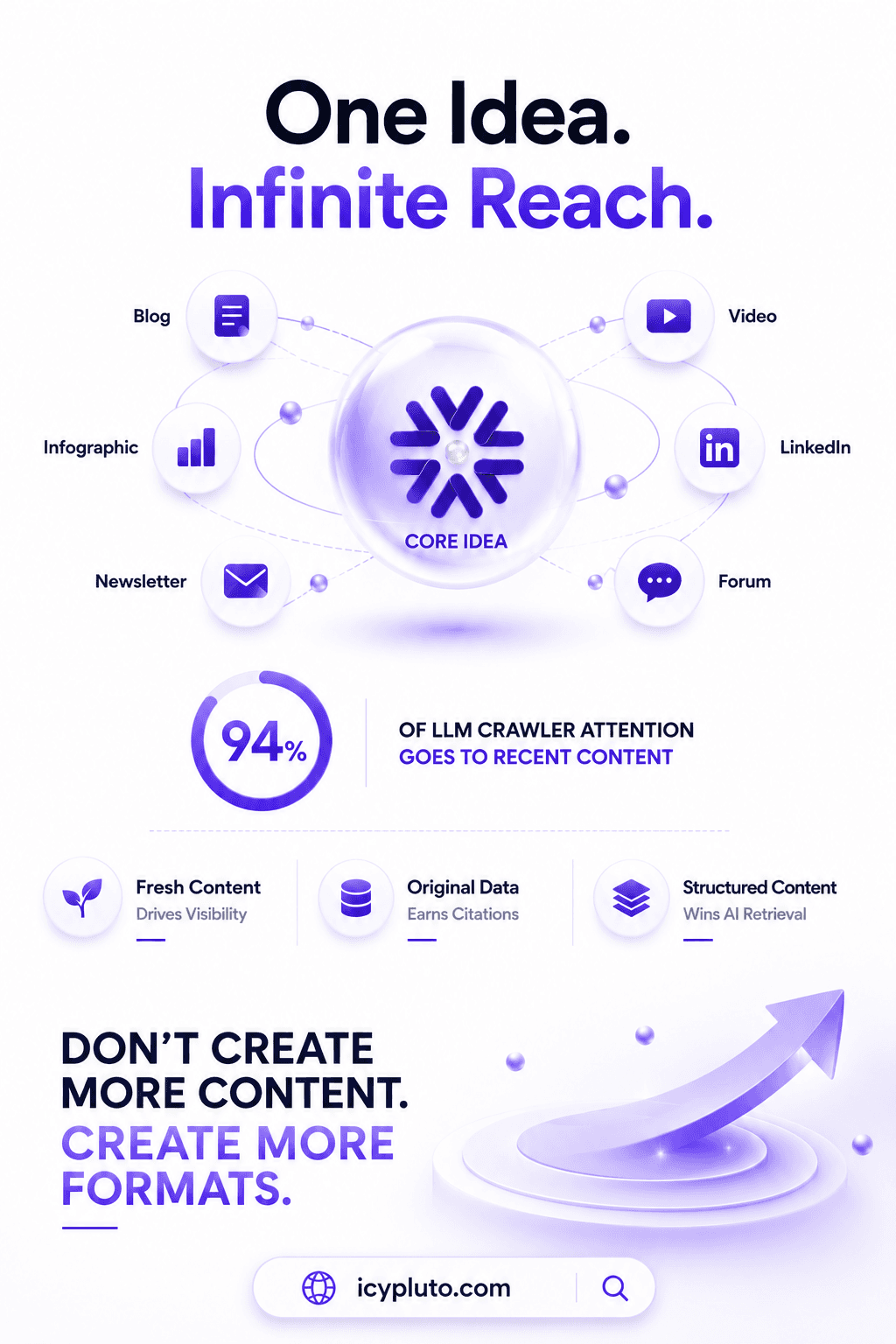
This blog reveals how to maximize visibility in tr...
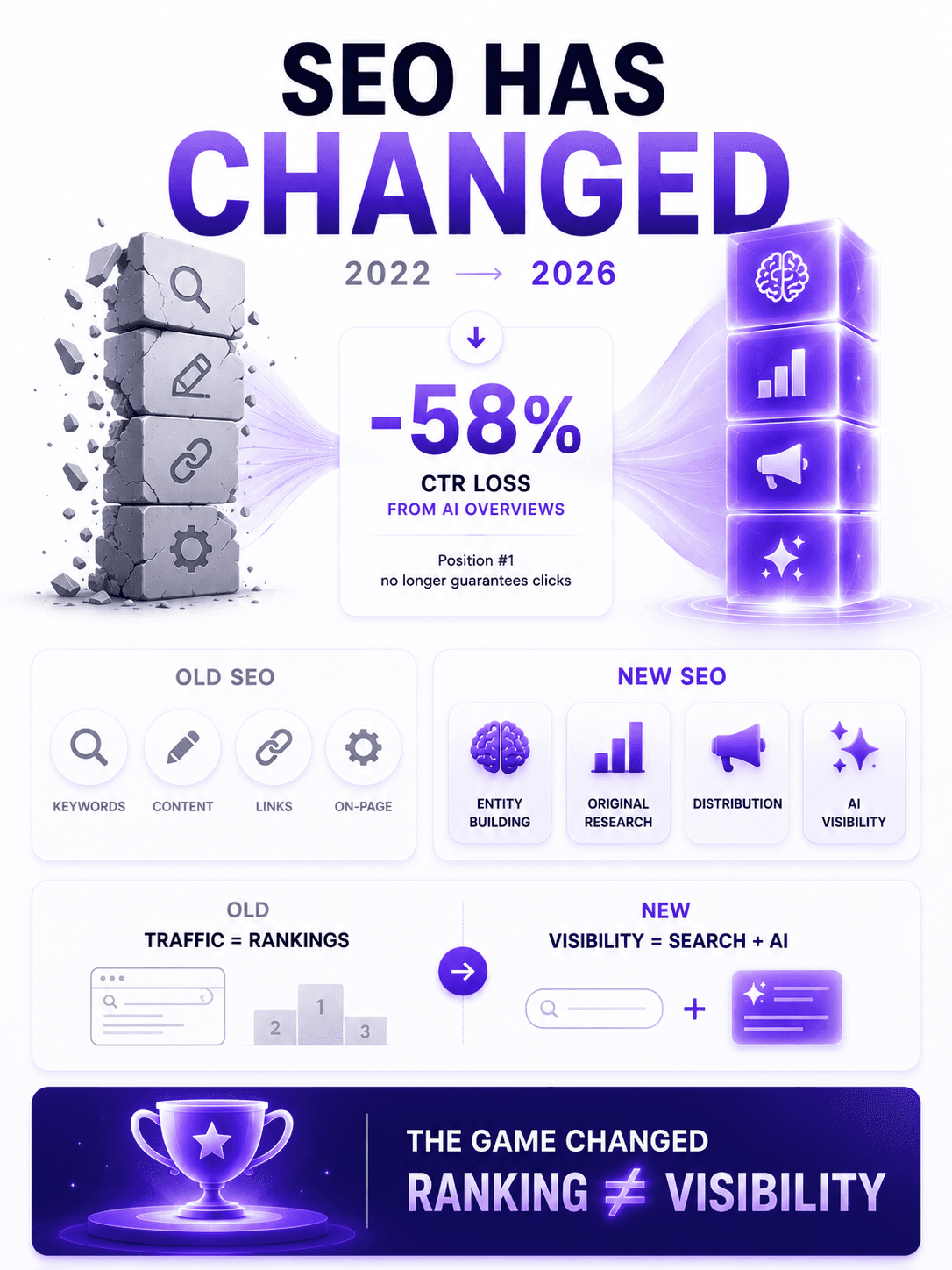
This blog reveals why traditional SEO work no long...
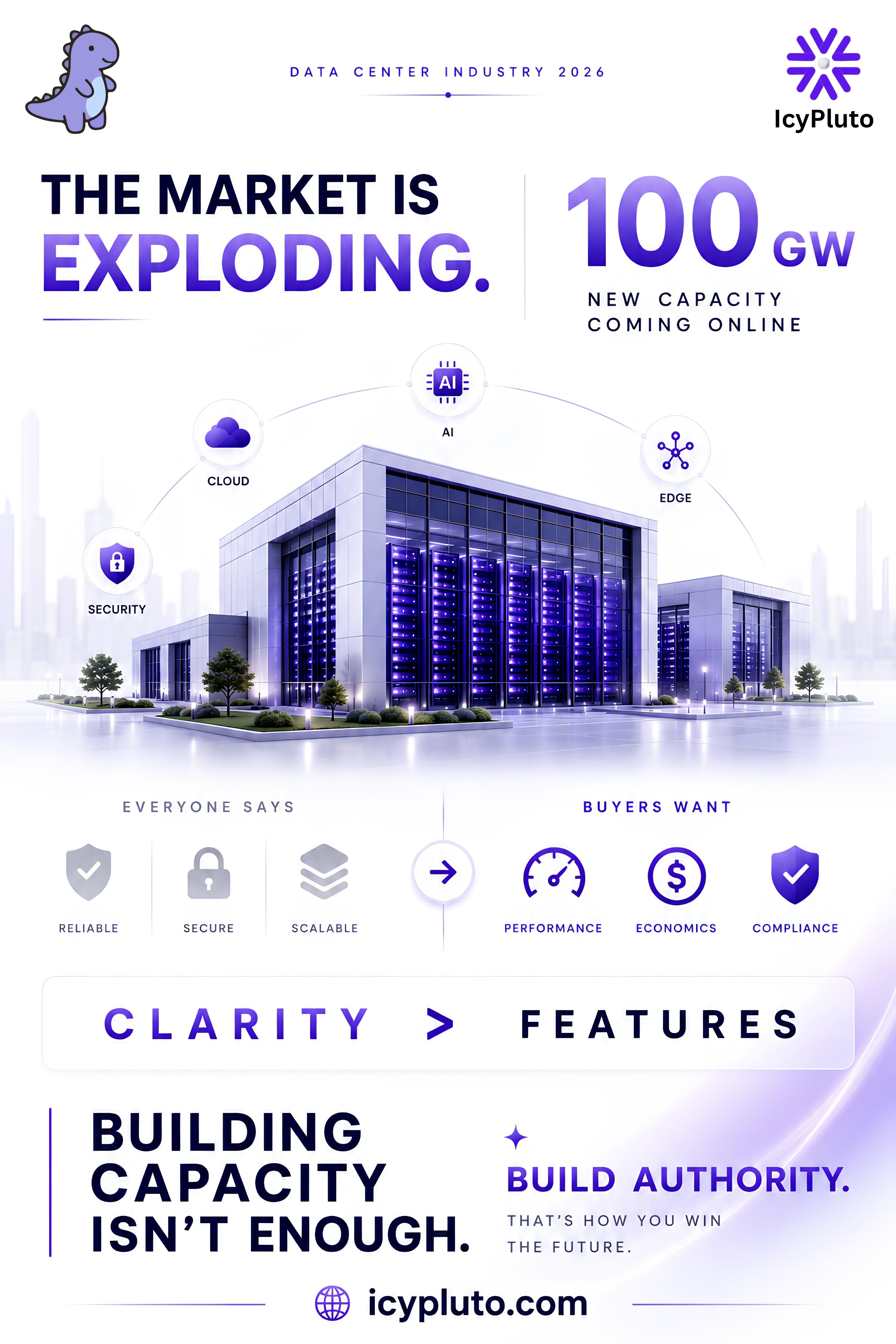
This blog explores the marketing gaps holding back...
AI search is changing how people discover brands, compare options, and make decisions. The old playbook of chasing rankings, clicks, and traffic still matters, but it is no longer enough on its own. Brands that want to stay visible now need to be ready for AI systems that read content differently, surface answers directly, and reward clarity, structure, and authority.
That is what AI readiness means in practice. It is not a vague buzzword or a software feature. It is the ability of a brand to show up consistently when people ask questions in ChatGPT, Google AI Overviews, Gemini, Copilot, and other AI-driven search surfaces. Readiness starts with content, but it also depends on technical health, entity strength, brand mentions across the web, and the ability to track what AI systems are actually doing.
The search experience has shifted from blue links to synthesized answers. In that environment, a brand can lose visibility even if it still ranks well in traditional search. Studies and industry observations show that AI-generated answers often reduce clicks to websites, which means being visible inside the answer is becoming just as important as ranking on the results page.
That shift changes the way marketing teams need to think. Instead of optimizing only for keyword placement, they now need to optimize for retrieval, citation, and trust. AI systems tend to pull from content that is well structured, easy to parse, and supported by external signals. If a brand is not prepared for that environment, it may simply never enter the conversation.
AI readiness is also a competitive issue. Buyers are increasingly using AI tools to research products, compare providers, and validate decisions before they ever click a website. If your content is not prepared for that stage of discovery, a competitor with better structure and stronger authority can become the default recommendation.
AI systems do not read pages the same way a person does. They break content into chunks, evaluate context, and look for evidence that a source is worth citing. That means clear headings, direct answers, and supporting data matter more than fluffy introductions or vague marketing language.
They also pay attention to authority signals. Mentions across credible websites, author credentials, schema markup, and consistency of brand entities all help AI systems recognize a source as trustworthy. If your content has strong claims but weak external validation, it may still struggle to appear in AI-generated responses.
Freshness matters too. Content that is updated regularly tends to perform better in AI contexts because it signals relevance. This is especially important in fast-moving industries like SEO, cybersecurity, AI infrastructure, and software where outdated information can quickly reduce trust.
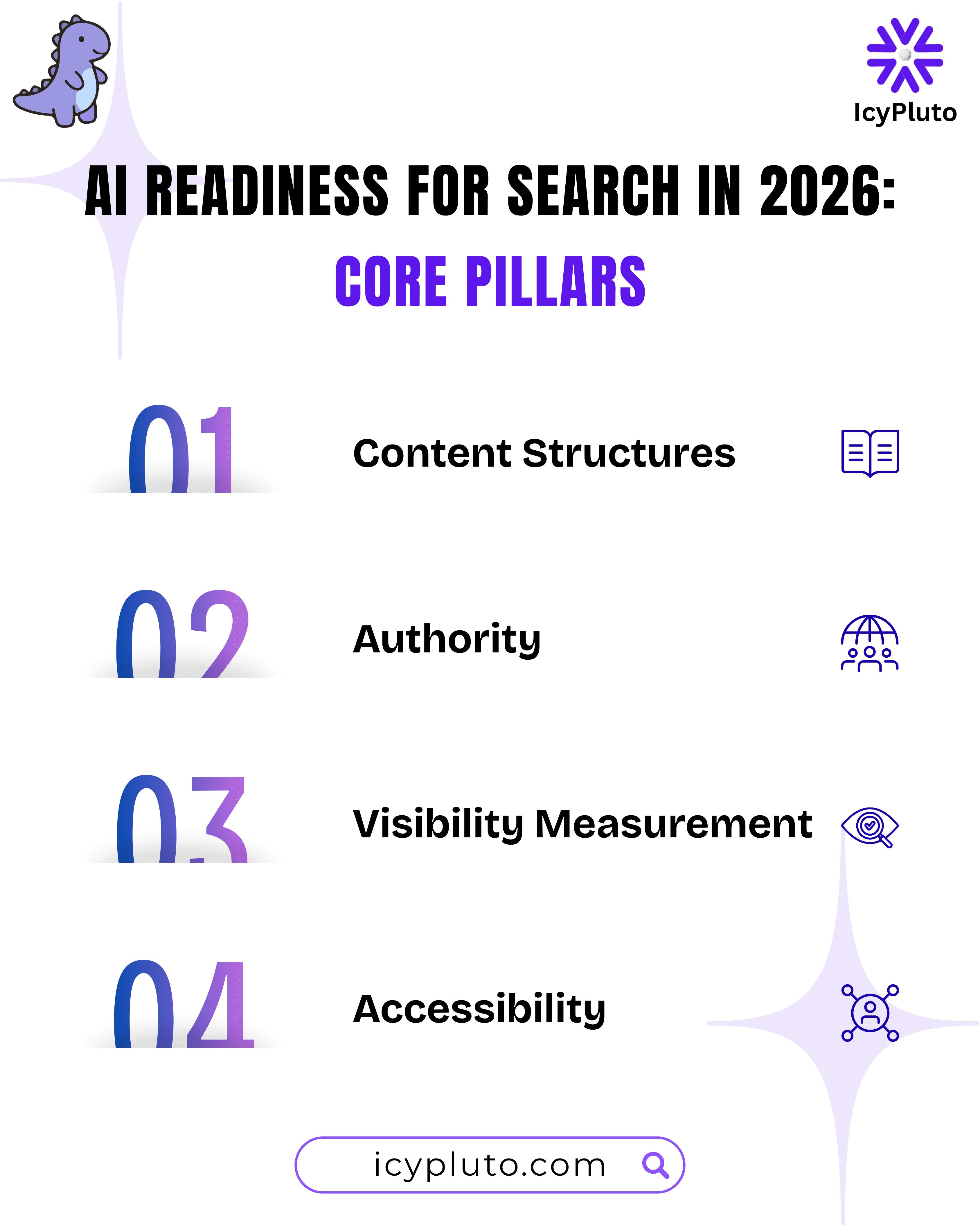
A strong AI readiness strategy rests on four pillars. The first is content structure. The second is authority. The third is technical accessibility. The fourth is visibility measurement.
Content structure means writing in a way that AI can extract cleanly. That includes short paragraphs, precise headers, answer-first writing, and sections that can stand on their own. If a paragraph answers a question fully, it is more likely to be pulled into an AI response.
Authority means building enough trust that AI systems see your brand as a credible source. This includes published expertise, third-party mentions, original research, case studies, and a visible expert profile. Brands that are frequently referenced by credible sources are easier for AI systems to validate.
Technical accessibility means making sure crawlers can actually access your content. If your robots settings, page performance, or site architecture prevent discovery, AI systems will struggle to use your content. A beautiful page that cannot be read well is not ready for generative search.
Visibility measurement means tracking how your brand appears in AI results, not just in Google Analytics. You need to know whether you are being mentioned, cited, recommended, or ignored. Without that layer, you are optimizing blind.
The best AI-ready content is simple to read and easy to reuse. It should answer specific questions in a way that is direct, accurate, and useful. That does not mean writing dry copy. It means writing in a human voice without forcing the reader to dig for the point.
Start with the answer. Then add supporting detail. Then back it up with examples, numbers, or references. This format helps both humans and AI systems because the key idea is visible immediately.
Long, vague sections are a problem. AI systems tend to favor content that is easy to segment, and users do too. A page that opens with a clear definition or practical explanation has a better chance of being cited than one that buries the answer under background material.
Adding data makes a big difference. Original statistics, benchmarks, customer survey results, and industry comparisons give AI systems something concrete to use. Content with numbers and specific claims often earns more trust because it is easier to verify than generic advice.
Technical readiness is often overlooked, but it is one of the first things that can block AI visibility. If your pages are slow, difficult to crawl, or poorly structured, AI systems may never get a clean view of your content. This is why site health still matters in the generative era.
Schema markup helps too. It gives machines extra context about what the page contains, whether that is a product, a guide, a person, a review, or an FAQ. While schema alone will not guarantee visibility, it improves machine understanding and supports better interpretation.
Internal linking is another important layer. A strong internal structure helps search engines and AI systems understand what topics matter most on your site. It also creates clearer relationships between supporting content and core pages, which can strengthen topic authority.
You should also pay attention to crawlability and indexation. If a page is hidden behind JavaScript issues, blocked resources, or poor architecture, it can underperform even if the writing is strong. AI readiness starts with making content accessible before making it persuasive.
AI systems often use the wider web as a trust filter. They do not rely only on one page in isolation. They look for repeated entity signals across trusted sources, which is why brand mentions matter so much.
If your company is mentioned in publications, communities, review sites, and social platforms, it sends a stronger signal that the brand is real and relevant. Consistent naming, consistent descriptions, and accurate positioning all help reinforce that signal.
This is where digital PR, guest content, and thought leadership start to play a bigger role. When your brand appears in authoritative places, it becomes easier for AI systems to associate it with a topic category. That increases the chance of being included in generative answers.
For B2B brands, expert presence also matters. Named authors, bios, and topic-specific credibility can strengthen the association between your brand and the subject area. AI systems are more likely to cite content from voices that appear knowledgeable and consistent.
A practical assessment should start with a baseline audit. Check whether your target topics appear in AI responses today. Search the main buyer questions in multiple AI tools and see whether your brand is mentioned, cited, or left out entirely.
Next, review your content structure. Look for pages that answer questions clearly, use proper headings, and include supporting evidence. Pages that lack structure should be a priority for rewrites.
Then check technical health. Make sure important pages are crawlable, fast, and indexable. Review schema, internal linking, and page performance. If AI systems cannot reliably access your content, content quality alone will not be enough.
Finally, evaluate your external authority. Search your brand name, authors, and core topics across the web. If the brand is not appearing in trusted mentions, that is a gap worth fixing before expecting strong AI visibility.
IcyPluto treats AI readiness as a working system, not a checklist. The goal is not to make content look AI-friendly in theory. The goal is to make the brand visible in the places where AI systems actually surface answers.
The process starts with prompt intelligence. IcyPluto helps identify the questions people are asking inside AI tools and groups them into useful patterns. That makes it easier to see which topics already have traction and which ones need stronger content support.
From there, the focus shifts to content structure and citation potential. IcyPluto helps brands build pages that answer more cleanly, support claims with evidence, and fit the way generative systems extract information. That means less guesswork and more practical alignment with how AI search works.
The platform also helps surface visibility gaps. If competitors are being cited and your brand is not, that becomes a signal for action. The team can then adjust content, refine entity signals, and strengthen brand coverage across the web so the brand becomes easier for AI systems to recognize.
A good starting framework is easy to remember.
Make content clear, direct, and easy to extract.
Add original data, not just opinions.
Strengthen brand mentions across the web.
Fix technical issues that limit crawlability.
Track visibility inside AI tools, not just search consoles.
That framework is simple, but it is powerful. Most brands do not need more content volume first. They need content that is easier for AI systems to trust, understand, and surface.
If a brand already has strong content, this framework helps it travel farther. If a brand has weak content, it gives a path to improvement without starting from zero. Either way, readiness becomes more measurable and more actionable.
AI readiness in marketing means a brand is prepared to appear in AI-generated answers, recommendations, and summaries. It includes content quality, technical accessibility, authority signals, and visibility tracking.
AI readiness matters because search is moving beyond traditional rankings. Brands now need to show up inside generative answers, not just on results pages, or they risk losing visibility.
Check whether your brand appears in AI responses for your core topics. Then audit content structure, site accessibility, and brand mentions across the web.
AI-ready content is clear, well-structured, backed by evidence, and easy to extract. Short paragraphs, direct answers, and strong headings help a lot.
Yes, schema markup helps machines understand page context. It is not enough on its own, but it supports better interpretation and retrieval.
Fast-moving topics should be reviewed regularly, often quarterly. Evergreen content can be reviewed less often, but it still needs freshness checks.
Yes. Small teams can focus on high-value topics, improve structure, strengthen brand mentions, and track a few key AI visibility signals consistently.
AI readiness is no longer optional for brands that want to stay visible. Search behavior has changed, and the brands that adapt fastest will earn more citations, more mentions, and more influence in the discovery process.
The good news is that readiness is not abstract. It can be audited, improved, and measured. Once a brand understands how AI systems read content and trust sources, it can build a much stronger path to visibility in the generative era.